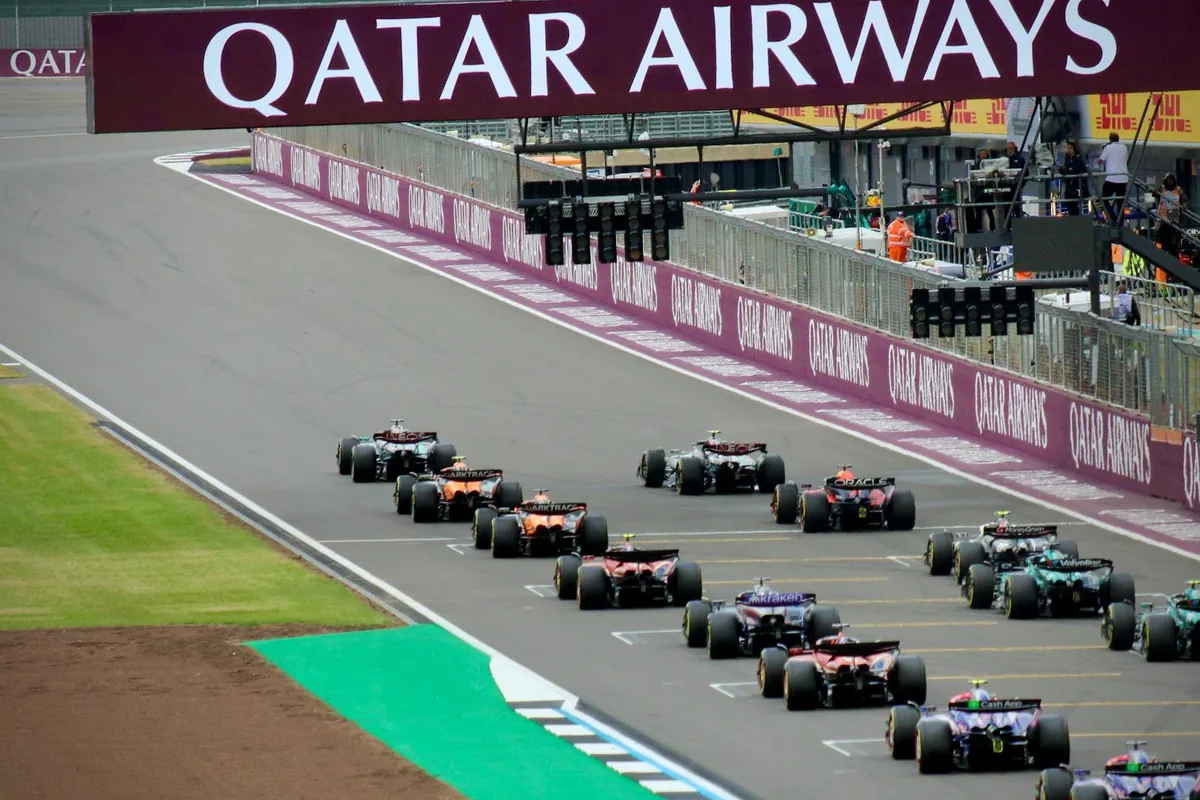
Winning Team Strategies at Silverstone: What Makes Them Work
Victory at the British Grand Prix is never just about raw speed. Silverstone’s unique combination of high-speed corners, variable weather, and abrasive track surface creates a complex strategic puzzle. Winning teams are those that master not only car setup and driver performance but also the intricate dance of race day decision-making. The strategies that succeed here are a blend of meticulous pre-race planning, real-time adaptability, and flawless execution under immense pressure.
The Strategic DNA of the Silverstone Circuit
To understand winning strategies, one must first understand the battlefield. Silverstone is a circuit that rewards aerodynamic efficiency and high-speed stability. Its series of sweeping corners, like Maggotts, Becketts, and Chapel, form one of the most demanding sequences in Formula 1, placing enormous energy through the tires. This characteristic directly shapes the two pillars of Silverstone strategy: tire management and aerodynamic setup.
The circuit’s evolution has also played a role. As detailed in our guide to Silverstone's major modifications, changes to corner profiles and the introduction of new sections like the Arena complex have altered overtaking opportunities and pit lane loss times, which teams must factor into their models. Furthermore, the track surface composition and maintenance significantly influence tire degradation rates, a critical variable in every race plan.
Pre-Race: The Foundation of Success
Long before the lights go out, teams are deep in simulation. Winning strategies are built on a foundation of data.
Tire Strategy: The Primary Variable
Pirelli’s tire compounds are the single biggest strategic lever. Silverstone’s high-energy loads can cause severe tire wear, making the choice between a one-stop and two-stop race perpetually delicate. Teams analyze historical degradation data, simulate stint lengths, and model the time loss of a pit stop—which is significant at approximately 22 seconds. The optimal strategy often involves starting on the softer available compound to gain track position, then switching to a harder, more durable tire for the long middle stint. However, as explored in our deep dive into Silverstone tyre strategy, safety cars and weather can instantly rewrite the best-laid plans.
Car Setup: A Balancing Act
The setup choice is a strategic decision in itself. A higher-downforce configuration provides stability through the fast corners and can protect tires, but it sacrifices straight-line speed, making the car vulnerable on the long Wellington and Hangar Straights. A lower-downforce setup improves top speed for overtaking and defending but can make the car a handful in the technical sections. Teams must find a compromise that suits their car’s inherent characteristics and their chosen race strategy, whether it's attacking from the front or charging through the field.
Race Day: The Real-Time Chess Match
When the race begins, the pre-race plan becomes a living document. The team on the pit wall, led by the race strategist and supported by engineers analyzing live data, must make critical calls.
Mastering the Pit Window
The timing of the pit stop is an art. Pitting too early can leave a driver vulnerable at the end of the race on worn tires; pitting too late can mean losing track position to undercutting rivals. The "undercut"—pitting before a direct competitor to use fresh tire grip to leapfrog them—is particularly potent at Silverstone due to the high tire sensitivity. Teams monitor sector times of competitors with obsessive precision to judge when to trigger a stop. The efficiency of the pit lane operations and technology is what turns these strategic decisions into gained seconds on track.
Adapting to the Inevitable: Silverstone Weather
Perhaps no other factor is as decisive or as chaotic as the British weather. A sudden rain shower can turn the race on its head, as famously seen in many historic grands prix. Winning teams are those with the best weather radar, the courage to make an early call for intermediate tires, and the operational speed to execute a double-stack pit stop for both cars. The ability to read changing conditions, such as a drying line or a localized shower, is a strategic superpower. For a comprehensive look at this challenge, see our analysis on how weather conditions affect racing at Silverstone.
Leveraging Track Position and Overtaking Opportunities
Track position is king at Silverstone. Overtaking, while possible at key spots like into Stowe, Vale, and Club, is not easy against equally matched cars. Therefore, strategy often focuses on gaining track position via pit stops rather than on-track moves. Teams use data to identify the primary overtaking hotspots at Silverstone and advise their drivers accordingly, balancing aggressive defense with tire conservation. Managing the DRS zones effectively is also a key tactical element throughout the race.
The Human and Technological Edge
Behind every successful strategy is a fusion of human expertise and cutting-edge technology.
The Driver as a Strategic Asset
The driver is not merely an executor of strategy but a key sensor. Their feedback on tire feel, balance, and track conditions is irreplaceable data. A driver who can manage tire wear while maintaining a competitive pace is worth seconds over a race distance. Furthermore, their ability to execute in-laps and out-laps with precision is critical for successful undercuts or overcuts. The pressure on home drivers, like Lewis Hamilton, adds another fascinating psychological layer to the strategic mix.
Data: The Silent Strategist
Modern F1 strategy is driven by terabytes of real-time data. Telemetry streams from the car on track are compared against thousands of pre-race simulations. Machine learning algorithms help predict competitor behavior and optimal pit stop windows. This digital edge allows teams to move from reactive to proactive strategy. The role of data analytics in shaping Silverstone race strategy cannot be overstated; it is the lens through which the chaos of a grand prix is brought into focus.
Case Studies in Strategic Brilliance
History provides clear examples of these principles in action. Lewis Hamilton’s 2021 victory, changing to slick tires on a damp but drying track several laps before his rivals, was a masterclass in strategic courage and driver skill. Max Verstappen’s dominant 2022 win showcased a perfect marriage of car setup (exploiting Red Bull’s straight-line speed advantage) and a controlled two-stop tire strategy that managed degradation flawlessly.
These victories underscore that at Silverstone, the winning formula is holistic. It requires a fast car, certainly, but also a team that can perfect its setup, predict tire behavior, brave the weather, and make split-second decisions with conviction. It is where engineering, data science, and human instinct collide at 200 mph, and the best-prepared teams rise to the top.
For more insights into the technical demands that inform these strategies, the Fédération Internationale de l'Automobile (FIA) provides regulations and technical documentation that shape Formula 1 car design and race procedures. Additionally, tire manufacturer Pirelli's Formula 1 portal offers detailed insights into compound selection and performance at different circuits.