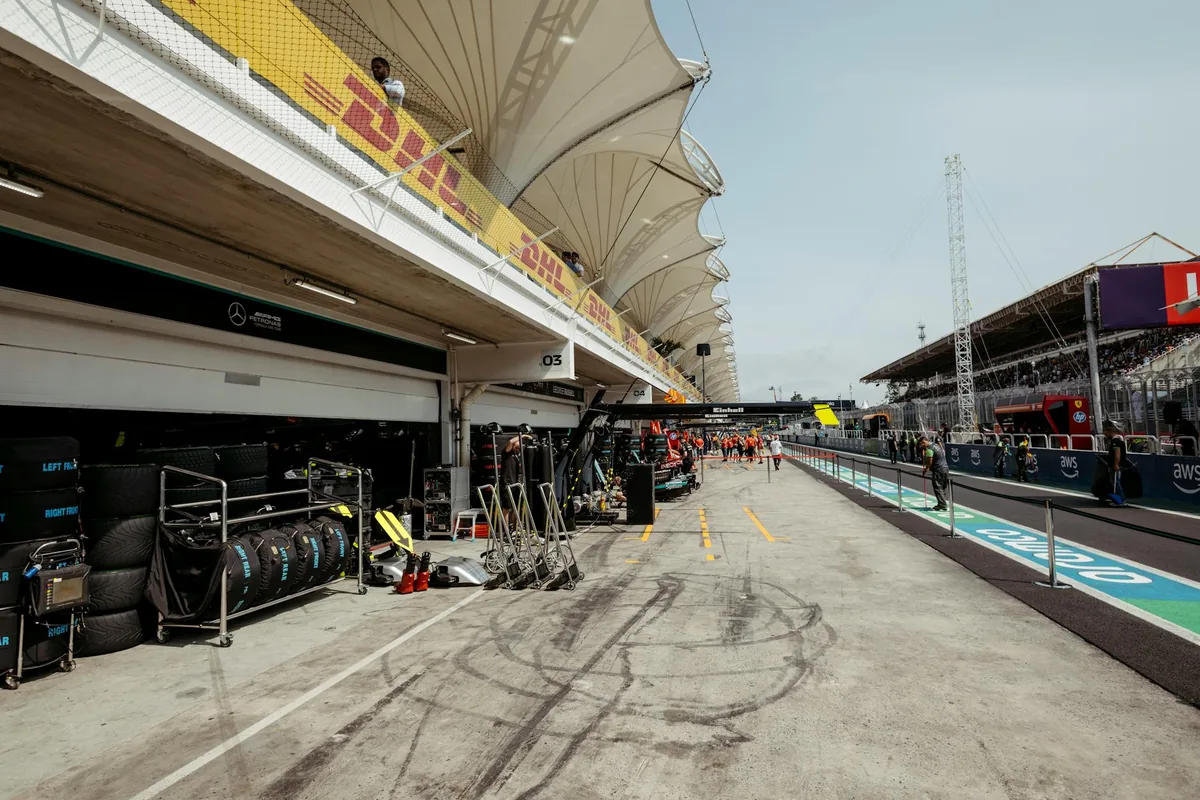
Tyre Strategy at Silverstone: Pirelli's Challenge
The Silverstone Circuit presents one of the most severe tyre tests on the Formula 1 calendar. Its combination of high-speed corners, abrasive asphalt, and often unpredictable British weather creates a unique and complex challenge for Pirelli, the sport's sole tyre supplier. A successful tyre strategy at the British Grand Prix is not merely a tactical choice; it is a high-stakes engineering puzzle that can define the outcome of the race. This analysis delves into the specific demands Silverstone places on tyres and how teams navigate Pirelli's compound selections to find the winning formula.
The Silverstone Gauntlet: Why Tyres Suffer
To understand the strategy, one must first appreciate the brutality of the track. Silverstone is a circuit built on speed and commitment. Corners like the high-G-force Copse, the sweeping Maggotts-Becketts-Chapel complex, and the flat-out Stowe and Abbey bends generate immense lateral loads. These forces literally try to tear the rubber from the tyre's carcass, leading to significant thermal degradation and wear.
The track surface evolution at Silverstone has also played a crucial role. While modern resurfacing projects have smoothed some bumps, the circuit's fundamental character remains: a coarse, abrasive asphalt that aggressively grains the tyre surface, especially on the softer compounds. This graining reduces grip and can cause a dramatic drop-off in lap time if not managed correctly. Furthermore, the circuit's layout means both the front-left and rear-right tyres are under extreme stress, but the specific wear profile can shift with car setup and driving style.
Pirelli's Compound Selection and Strategic Options
For the British Grand Prix, Pirelli typically nominates its harder range of compounds—often the C1 (Hard), C2 (Medium), and C3 (Soft) from its five-option portfolio. This conservative selection is a direct response to the circuit's severity. Using the softest available tyres here would likely result in blistering or graining within just a handful of laps.
This selection shapes the strategic battlefield. The classic one-stop strategy, a staple at many circuits, becomes a high-risk gamble at Silverstone. Teams often prefer a two-stop approach, but the timing of these stops is critical. Starting on the medium tyre to run a long first stint, then switching to the hard for a final charge, is a common pattern. However, the viability of this plan is heavily influenced by external factors, most notably the famously changeable weather at Silverstone. A sudden rain shower can upend the most meticulous strategy, forcing a scramble for intermediate or wet tyres and turning the race into a lottery.
Key Strategic Variables and Decision Points
Several dynamic elements converge to make Silverstone's tyre strategy a real-time chess match.
Track Temperature and Evolution
A sunny race day increases track temperature, accelerating tyre wear and pushing teams toward more stops. Conversely, a cool, overcast day can extend the life of the harder compounds, making a one-stop more plausible. The track also "rubbers in" over the weekend, offering more grip but also changing the wear characteristics from practice to the race.
Traffic and Overtaking Opportunities
While Silverstone features several high-speed sections, overtaking is not always straightforward. Strategic pit stops are often timed to gain a "free" position by emerging in clear air. The effectiveness of the DRS zones at Silverstone can influence whether teams feel they can pass on track or need to use the pit lane to get ahead. A well-timed undercut (pitting earlier than a rival to gain track position) or overcut (staying out longer on fresher tyres at the end of a stint) can be race-winning.
Safety Car Interventions
The Safety Car is a strategic wildcard. A timely deployment can allow for a "cheap" pit stop, saving 20+ seconds of race time, and can promote alternative strategies. Teams must be ready to instantly recalculate their entire race plan, a process heavily reliant on the team radio communications and strategy insights flowing from the pit wall to the driver.
Historical Lessons and Modern Data Analytics
History provides a guide, but modern strategy is driven by data. Teams analyze terabytes of information from practice sessions to build predictive models of tyre wear. They simulate thousands of race scenarios, factoring in competitors' likely strategies, to identify the optimal window for pit stops. The role of data analytics in Silverstone race strategy cannot be overstated; it transforms an art into a science.
Recent races have shown the fine margins involved. A driver pushing too hard early in a stint can "kill" the tyres, forcing an extra stop. Conversely, exceptional tyre management—nursing the rubber while maintaining competitive lap times—can yield a spectacular result, as seen in several historic Silverstone drives. For a deeper look at such performances, explore our analysis of Lewis Hamilton's record-breaking dominance at Silverstone, where tyre management has often been a key factor.
Conclusion: The Ultimate Balancing Act
Tyre strategy at the British Grand Prix is a multifaceted challenge that tests Pirelli's technology, the teams' strategic acumen, and the drivers' sensitivity behind the wheel. It requires balancing raw speed with preservation, reacting to competitors while executing a pre-defined plan, and always keeping one eye on the skies. There is no single solution; the winning strategy is the one that best adapts to the unique conditions of race day. As cars and tyres evolve, this high-speed puzzle at one of the world's greatest circuits remains a central and captivating element of the Formula 1 spectacle. For more on the technical demands of the track, read our Pirelli's official Formula 1 tyre guide and the FIA's sporting regulations that govern their use.