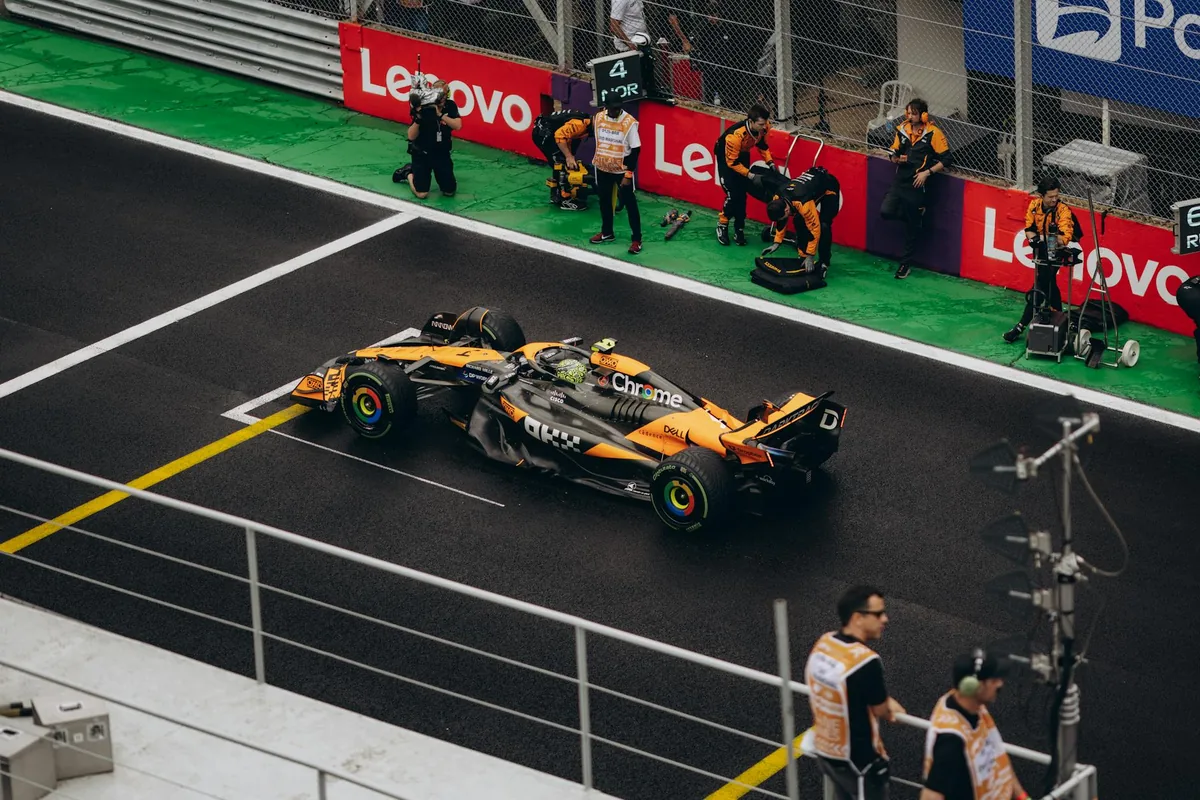
Inside Silverstone's Pit Lane: The Nerve Center of the British Grand Prix
The Silverstone pit lane is far more than a row of garages; it is the strategic and technological nerve center of the British Grand Prix. While fans in the grandstands witness the explosive speed on track, the real battle for milliseconds and championship points is often won and lost in this high-pressure, hyper-organized zone. It is a ballet of precision, powered by cutting-edge technology and executed by teams of highly skilled specialists.
The Anatomy of a Modern F1 Pit Box
Each team's pit box at Silverstone is a temporary, yet supremely efficient, headquarters. During a race weekend, this 15-meter stretch of tarmac transforms into a mission-critical operation. The garage itself houses the spare cars, a vast array of tools, and the engineering stations where data flows in real-time. The pit wall, positioned at the front, is where the race strategists, team principal, and engineers monitor every variable, from direct competitor lap times to changing weather conditions that can upend the race.
The actual pit stop area is a study in minimalist design to maximize speed and safety. Equipment is meticulously laid out: wheel guns, fresh tires, jacks, and sometimes front wings are all positioned for instant access. The white lines defining the box are not mere suggestions; they are strict boundaries enforced by FIA regulations, with penalties for violations.
Technology Driving Pit Lane Performance
The seamless operation of the pit lane is underpinned by a suite of advanced technologies. Data is the lifeblood of modern Formula 1, and nowhere is this more evident than during a pit stop.
Real-Time Telemetry and Analytics
Hundreds of sensors on the car stream data to the garage on everything from tyre wear and brake temperature to fuel load and engine performance. This information is crunched by powerful algorithms, helping teams decide the optimal moment to pit. This data analytics capability is crucial for adapting strategy in response to a Safety Car or a sudden change in track conditions.
Advanced Pit Stop Equipment
The iconic wheel gun is a technological marvel, capable of removing and attaching a wheel nut in under a second with immense torque. High-speed cameras and laser sensors are used to monitor pit stop practice, analyzing every crew member's movement to shave hundredths of a second. Even the jacks are lightweight, ergonomic, and engineered for instant deployment.
Communication Systems
Crystal-clear, instantaneous communication is non-negotiable. Crew chiefs wear dedicated radio headsets to coordinate the stop, while the driver is in constant contact with the pit wall. The complexity of these team radio communications reveals the strategic depth of decisions being made while the car is stationary.
The Human Element: Precision Under Pressure
Technology is nothing without the human experts who wield it. A Formula 1 pit crew is a team of 20+ highly trained athletes, each with a specific role. The front and rear jack operators, wheel gun operators, and tyre carriers rehearse their choreography thousands of times a year. A standard pit stop involves over 70 individual actions that must be completed in perfect harmony, typically in under two seconds for a tyre change.
The pressure is immense. A dropped wheel nut, a sticky gun, or a misstep can cost multiple positions and a potential podium. The crew trains for every contingency, from standard stops to front wing changes, ensuring muscle memory takes over in the high-adrenaline race environment. For an inside look at this preparation, consider a behind-the-scenes pit lane tour.
Strategy: The Invisible Game
Pit lane operations are the physical execution of a much larger strategic game. Race strategy is formulated days in advance using complex simulations but must remain fluid. The choice of tyre compound—a central part of Silverstone's tyre strategy—is influenced by track temperature, asphalt abrasion, and expected degradation. A one-stop or two-stop plan can be radically altered by a competitor's undercut or the arrival of rain.
The pit wall constantly weighs risk versus reward. Pitting early to gain track position (the undercut) or staying out to maintain lead (the overcut) are classic tactical dilemmas. Every second spent stationary is calculated against potential gains on track, making the pit lane the crucible where races are strategically decided.
Safety and Regulations: The Framework of Fair Play
Given the inherent dangers of cars entering a crowded lane at speed, safety is paramount. The pit lane speed limit (80 km/h during the British Grand Prix) is strictly enforced via transponders on each car. The FIA race director and stewards monitor all activity via CCTV, ensuring compliance with procedures like the release of a car into the path of another.
Regulations govern every aspect, from the number of personnel allowed over the pit wall to the specific equipment permitted. These rules, evolving from decades of experience, are designed to ensure fair competition and protect everyone in the vicinity, complementing the broader circuit safety features around the track.
The Future of Pit Lane Technology
Innovation never stops. Teams are exploring automation, advanced materials for lighter equipment, and even more sophisticated predictive analytics. The FIA's commitment to sustainability is also driving change, with initiatives to reduce the environmental impact of the sport, as seen in Silverstone's own green programs. Furthermore, the potential for standardized, sustainable fuels and advanced energy recovery systems will influence pit stop logistics and strategy in the coming years.
For authoritative details on the technical regulations governing pit stops and car specifications, the official Federation Internationale de l'Automobile (FIA) website is the primary source. Additionally, insights into the engineering behind pit stop equipment can often be found through technical partners featured on Formula 1's official site.
Conclusion
Silverstone's pit lane is a microcosm of Formula 1 itself: a breathtaking blend of human skill, strategic intellect, and technological prowess. It is where preparation meets opportunity under intense global scrutiny. The roar of the crowd may be for the driver on the podium, but victory is forged by the synchronized effort of the entire team in that narrow, frantic stretch of asphalt—the true heartbeat of the British Grand Prix.