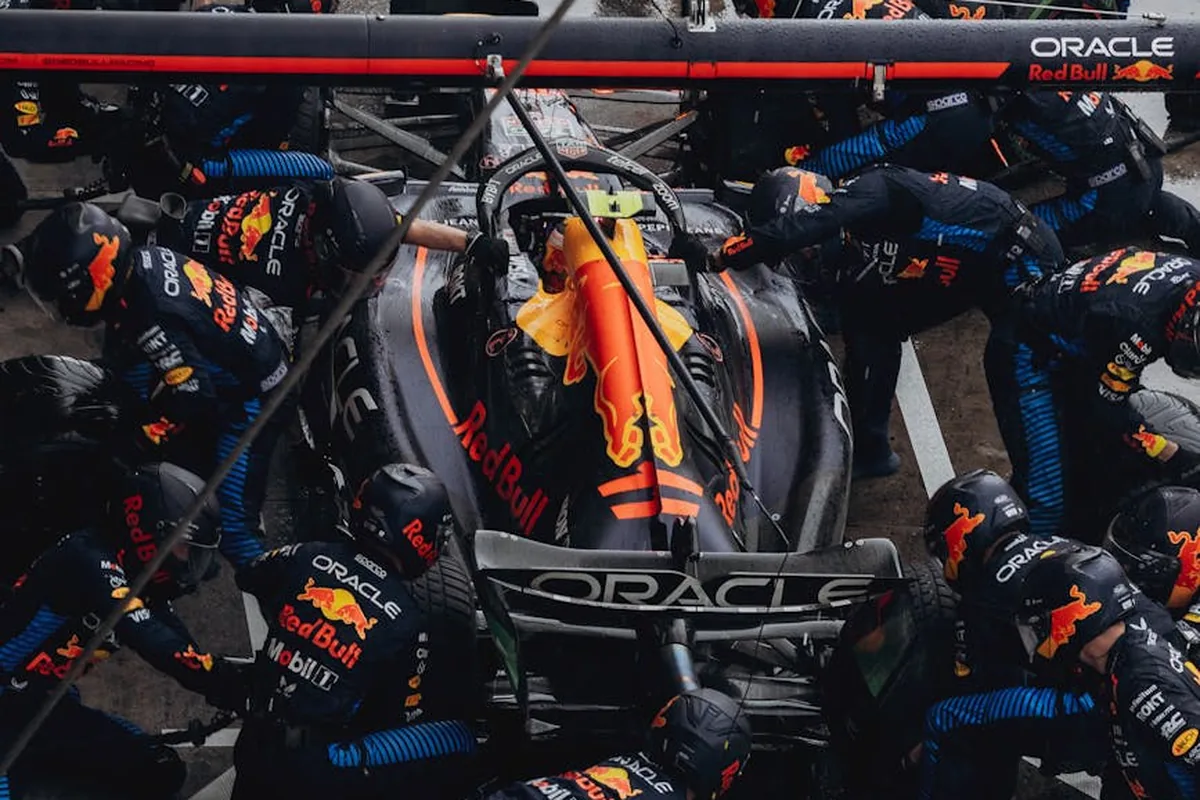
Weather at Silverstone: How Conditions Affect the Race
The British Grand Prix at Silverstone is renowned for its high-speed corners, passionate fans, and, most famously, its unpredictable weather. The circuit's location in the heart of England makes it a stage where meteorological conditions can shift from brilliant sunshine to torrential rain within a single lap. Understanding how weather impacts the race is crucial for teams, drivers, and fans alike, transforming strategy and often deciding the winner.
The Unpredictable Climate of Silverstone
Silverstone's weather is a product of its flat, open landscape in Northamptonshire. Exposed to prevailing westerly winds and Atlantic weather systems, the circuit experiences a truly temperate maritime climate. This means rapid changes are the norm. A dry qualifying session can be followed by a wet race, or vice-versa. Teams employ sophisticated weather monitoring systems to track microclimates around the vast track area, as conditions can vary between Stowe Corner and the Wellington Straight. This inherent unpredictability is a defining characteristic of the British Grand Prix, adding a layer of drama unmatched by many other circuits.
Rain: The Great Equalizer
Wet weather is the most significant and dramatic weather variable at Silverstone. Rain profoundly alters every aspect of the race.
Tyre Strategy and Grip
The immediate challenge is tyre selection. The choice between full wet, intermediate, and slick tyres becomes a high-stakes gamble. Silverstone's high-speed nature means aquaplaning is a severe risk, particularly through corners like Copse and Becketts. Drivers must find a balance between pushing for temperature in the tyres and avoiding the standing water that can collect on the Silverstone track surface. A well-timed switch to intermediates as a drying line emerges can vault a driver up the order, as famously demonstrated in many historic races.
Visibility and Spray
Heavy rain creates a visibility crisis. The spray thrown up by modern Formula 1 cars is immense, reducing vision to near zero for following drivers. This makes overtaking exceptionally hazardous and places immense reliance on a driver's instinct and feel. Safety Car or even red flag conditions are common in downpours, compressing the field and resetting strategic advantages.
The Impact of Wind
Often overlooked by casual viewers, wind is a critical technical factor at Silverstone. The circuit's exposed nature means strong and gusty winds are frequent.
Wind direction and strength directly affect car stability, especially under braking and through high-speed corners. A headwind on the Hangar Straight can reduce top speed but increase downforce, while a tailwind can have the opposite effect, making the car feel light and nervous. A crosswind through the complex of Maggotts and Becketts can destabilize the car, requiring constant corrections from the driver. Teams spend practice sessions gathering detailed wind analysis data to fine-tune aerodynamic setups and help drivers anticipate gusts at specific track points.
Temperature: From Grip to Degradation
Track and ambient temperature influence car performance in several key ways.
- Tyre Performance: Colder temperatures make it difficult for tyres, particularly the harder compounds, to reach their optimal operating window. This leads to a lack of grip in the initial laps. Conversely, a hot track surface increases thermal degradation, forcing teams into multi-stop strategies. Managing tyre strategy at Silverstone is a constant battle between temperature and wear.
- Engine and Brake Cooling: Silverstone is a high-power, high-braking demand circuit. Cooler air is denser, providing more oxygen for the power unit and better cooling for brakes and radiators. On a hot day, teams must open cooling ducts, which increases aerodynamic drag, to prevent overheating, sacrificing straight-line speed.
- Air Density: Cool, dense air increases aerodynamic downforce and engine power. A cold race day can therefore see faster lap times, all else being equal, compared to a hot, humid day where the air is thinner.
Strategic Decisions and Driver Skill
Weather volatility forces teams to make real-time strategic calls. The pit wall must interpret radar data, forecasts from dedicated meteorologists, and driver feedback to decide on tyre changes. A single wrong call can ruin a race, while a correct one can win it. This elevates the importance of an experienced race engineer and a driver who can accurately communicate the car's feel in changing conditions.
Driver skill is magnified in the wet. The ability to find grip where others cannot, to manage tyre temperatures, and to brave the spray requires exceptional talent. Silverstone's wet races have crowned "rain masters" and created iconic moments in British Grand Prix history. The mental and physical demand on drivers also increases, as they contend with reduced visibility, a slippery track, and the constant threat of a race-ending mistake.
Preparing for the Elements
Teams prepare extensively for Silverstone's weather. Car setups are often a compromise, balancing downforce for high-speed corners with the ability to adapt to rain. Simulation work includes wet-weather scenarios, and drivers review past wet races at the circuit. For fans attending, being prepared for all conditions is part of the experience, as outlined in our guide on what to bring to Silverstone. The circuit itself has robust weather contingency plans to ensure the safety of everyone on site.
In conclusion, weather is not just a backdrop at Silverstone; it is a central player in the drama of the British Grand Prix. It tests the limits of technology, strategy, and human skill, ensuring that no two races are ever the same. From the strategic genius called from the pit wall to the bravery of a driver dancing on a wet track, the elements at Silverstone separate the good from the truly great, writing new chapters in motorsport history with every passing cloud. For the latest forecasts, visitors should always check authoritative sources like the UK Met Office and the official FIA race weekend bulletins.