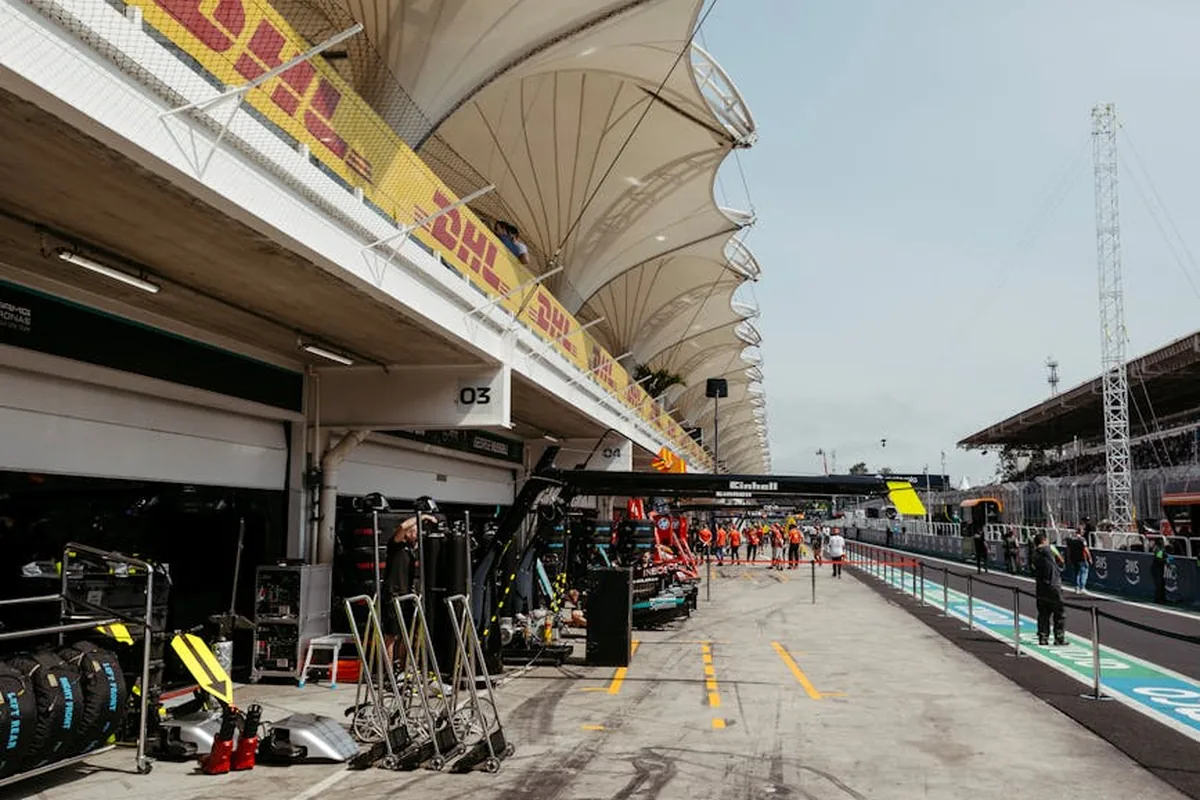
Silverstone Track Surface: The Foundation of Speed
The asphalt of Silverstone Circuit is far more than just a ribbon of black tarmac. It is a high-performance, engineered surface that forms the critical interface between a Formula 1 car's tires and the historic circuit. Its composition, texture, and maintenance directly influence grip levels, tire degradation, car setup, and ultimately, the spectacle of racing at the British Grand Prix. Understanding this surface is key to appreciating the technical ballet that unfolds each year.
The Science of the Asphalt: A High-Performance Recipe
Modern racetrack asphalt is a sophisticated material blend, and Silverstone's surface is a prime example. It is not the same as standard road asphalt. The mix is designed for maximum durability under extreme loads and high speeds, while also providing consistent grip. The aggregate—the stones within the asphalt—is carefully selected for hardness, shape, and size to create a surface that is both abrasive enough to generate grip but not so harsh as to cause excessive tire wear. The binder, the "glue" that holds it all together, is a high-performance polymer-modified bitumen that resists deformation from heat and the immense downforce of modern F1 cars.
The texture, or "macro-texture," of the surface is crucial. A slightly rougher texture helps with mechanical grip, especially in wet conditions, by allowing water to channel away and giving the tire rubber something to bite into. This characteristic is a vital factor in how weather affects racing at Silverstone, making the track famously challenging yet drivable in the rain.
Evolution and Resurfacing: A Changing Grip Profile
Silverstone's track surface has not remained static. Major resurfacing projects have been undertaken throughout its history, each changing the character of the circuit. A new surface typically offers higher grip initially but can be more sensitive to temperature and may "go off" (lose grip) as rubber is laid down. Over time, as the surface ages and weathers, it becomes smoother and its grip characteristics evolve.
These changes are a significant part of the circuit's ongoing story. For a deeper look at how the track itself has transformed, our article on how Silverstone circuit has changed covers these major modifications. The most recent comprehensive resurfacing can dramatically shift the competitive balance, forcing teams to rethink their suspension setup for Silverstone's unique corners and aerodynamic configurations to optimize performance on the new asphalt.
Maintenance and Preparation: The Art of Track Evolution
Maintaining a circuit surface like Silverstone's is a year-round endeavor. It involves far more than just filling cracks. Key maintenance activities include:
- Jet Blasting and Pressure Washing: Removing accumulated rubber, oil, and debris from the racing line to ensure consistent grip levels and safety.
- Asphalt Repair and Patching: Addressing any damage from accidents, subsidence, or weather erosion to maintain a perfectly smooth surface.
- Kerb and Run-off Area Maintenance: Ensuring the painted kerbs and gravel traps or tarmac run-offs are in optimal condition, which is integral to the circuit's overall safety features.
- Drainage Inspection: Critical for a circuit known for its changeable weather, ensuring surface water clears quickly to prevent aquaplaning.
In the days leading up to a Grand Prix, the track undergoes a fascinating evolution. Initially "green" and dusty, it offers low grip. As more cars run, they lay down rubber—a process known as "rubbering in." This creates a grippy racing line but leaves the off-line areas slippery, a key factor in overtaking opportunities at Silverstone. Teams and drivers must constantly adapt to these changing conditions throughout practice and qualifying.
The Impact on Racing Strategy and Performance
The track surface is a primary variable in every team's strategic calculations. The abrasiveness of Silverstone's asphalt is a major talking point each year with tire supplier Pirelli. A more abrasive surface increases tire wear and thermal degradation, pushing teams towards multi-stop strategies. A smoother surface might allow for longer, one-stop stints. This makes tyre strategy at Silverstone one of the most complex and decisive elements of the race weekend.
Furthermore, the surface condition dictates mechanical setup. Engineers must find a suspension compromise that allows the car to ride the aggressive kerbs at corners like Copse and Maggotts without losing aerodynamic stability, while also generating mechanical grip from the asphalt. The surface temperature, which can vary significantly with the British weather, also affects tire pressure and performance windows, adding another layer of complexity. For more on the technical demands, see our analysis of brake system performance at Silverstone, which is also heavily influenced by track surface grip.
Looking to the Future: Sustainability and Innovation
As with all aspects of modern motorsport, sustainability is becoming a factor in track surface technology. Research is ongoing into more durable, longer-lasting asphalt mixes that require less frequent resurfacing, thereby reducing material use and carbon footprint associated with production and laying. These initiatives align with broader sustainability efforts at Silverstone. Innovations may also include surfaces that better manage heat or offer more predictable wet-weather performance, enhancing both safety and the quality of racing.
The science of track surfaces is a specialized field. For authoritative information on asphalt technology and materials science, resources from institutions like the Transportation Research Board or industry bodies such as the European Asphalt Pavement Association provide deeper technical insight.
The Unsung Hero of the Grand Prix
While drivers and cars capture the headlines, the Silverstone track surface is the silent, essential partner in the drama of the British Grand Prix. Its specific composition dictates the pace, shapes the strategy, and challenges the engineers. From the roar of engines on a fresh, green track on Friday morning to the black, rubbered-in racing line on Sunday afternoon, the evolving asphalt is a central character in the story of every race weekend at this iconic circuit.