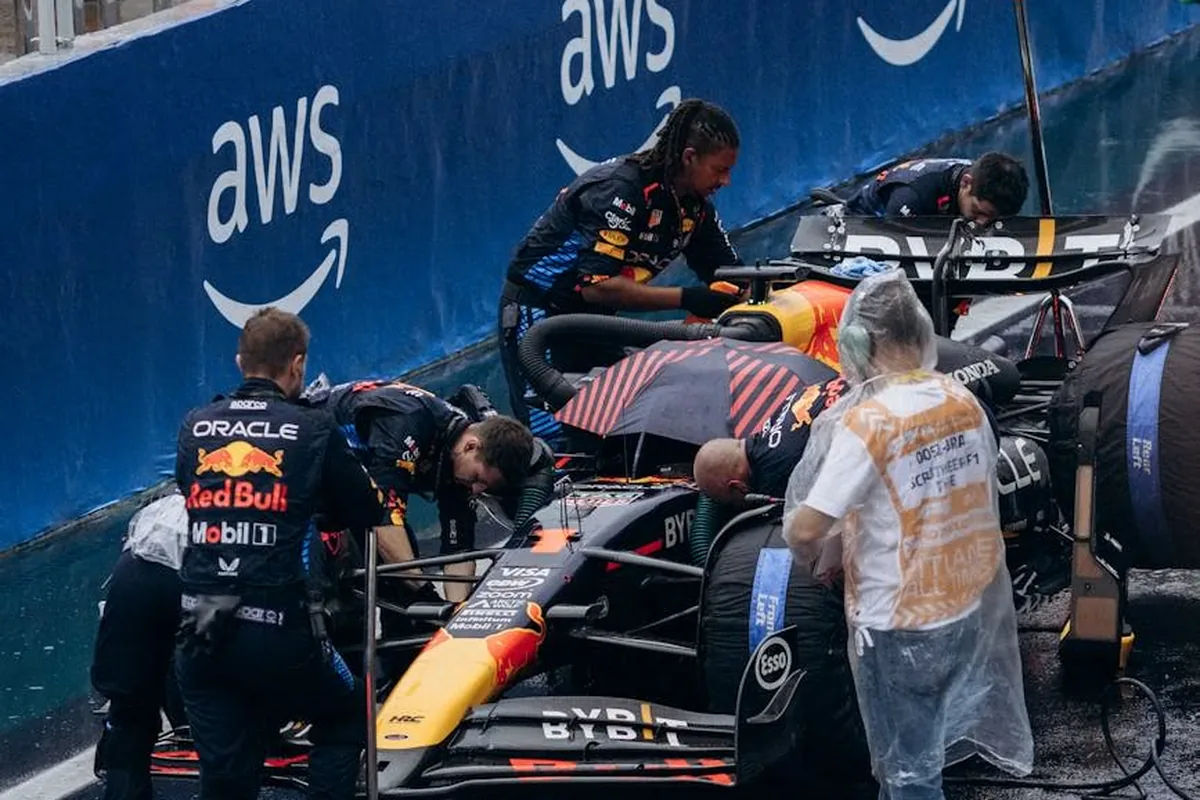
Safety First: Silverstone's Advanced Safety Features
At the heart of Silverstone Circuit's global reputation is an unwavering commitment to safety. As the home of the British Grand Prix and a venue hosting numerous international racing series, Silverstone operates at the cutting edge of motorsport safety technology and protocol. This commitment protects everyone from the world's elite drivers to the hundreds of thousands of fans who visit each year. The circuit's safety philosophy is proactive, multi-layered, and constantly evolving, integrating advanced engineering, real-time data, and rigorous operational procedures to create a secure environment for high-speed competition.
The Evolution of a Safety Culture
Silverstone's approach to safety has been shaped by decades of experience and the broader evolution of motorsport standards. The circuit's journey from a former Royal Air Force base to a state-of-the-art Formula 1 facility involved continuous learning and adaptation. Major renovations, such as those detailed in our article on How Silverstone Circuit Has Changed: Major Modifications Through History, have often been driven by safety enhancements. From the introduction of proper runoff areas to the realignment of high-speed corners, each change has contributed to reducing risk. This historical progression laid the groundwork for today's sophisticated systems, where safety is not an afterthought but a fundamental design principle embedded in every aspect of the venue.
Track Design and Physical Safety Systems
The first line of defense in circuit safety is its physical infrastructure. Silverstone's layout and features are meticulously designed to mitigate the consequences of an incident.
Advanced Barrier Technology
Gone are the days of simple Armco barriers. Silverstone utilizes a combination of the latest barrier systems, including FIA-homologated TecPro and SAFER (Steel and Foam Energy Reduction) barriers in critical impact zones. These barriers are engineered to absorb and dissipate kinetic energy during a crash, significantly reducing the forces transferred to the driver. The placement of these barriers is data-led, focusing on high-speed sections and known impact areas like the exit of Copse Corner or the approach to Stowe. The evolution of these systems is a fascinating topic explored in Safety First: The Evolution of Silverstone's Safety Barriers.
Runoff Areas and Gravel Traps
Silverstone features extensive asphalt runoff areas, particularly at the end of long straights and fast corners. This material allows drivers to decelerate controllably if they leave the track, reducing the chance of a sudden, violent stop. Strategic gravel traps are still employed in specific locations where they are most effective at slowing a car without causing it to dig in and roll. The composition and maintenance of the track surface itself, crucial for consistent grip, is another key safety factor, detailed in our Silverstone Track Surface: Asphalt Composition & Maintenance analysis.
Circuit and Pit Lane Design
Modern circuit design minimizes blind crests and incorporates clear sightlines for drivers and marshals. The pit lane entry and exit at Silverstone have been carefully configured to integrate safely with the racing line, a critical consideration during high-pressure race scenarios. For an in-depth look at the operational heart of the circuit, see Inside Silverstone's Pit Lane: Operations & Technology.
Real-Time Monitoring and Emergency Response
When an incident occurs, the speed and efficiency of the response are paramount. Silverstone's systems are designed to trigger an immediate, coordinated reaction.
Integrated Surveillance and Communication
The circuit is monitored by a comprehensive network of high-definition CCTV cameras, providing race control with a complete, real-time view of every sector. This is complemented by advanced timing and telemetry data, which can instantly flag a sudden loss of speed or an abnormal car signal. A robust, multi-channel communication network links race control, marshals' posts, medical teams, and recovery units, ensuring seamless information flow. The role of data in modern racing safety is profound, as discussed in How Data Analytics Shapes Silverstone Race Strategy.
The Medical and Marshalling Corps
Silverstone's on-site medical centre is a fully equipped facility staffed by specialist motorsport doctors and paramedics throughout major events. Multiple Intervention Vehicles, including the FIA Medical Car and rapid response units, are stationed around the circuit, capable of reaching any point within seconds. The unsung heroes are the hundreds of trained volunteer marshals who provide immediate flag signals, initial fire response, and vital on-ground intelligence. Their training is exhaustive, covering everything from extracting a driver to dealing with complex vehicle fires.
Fan Safety and Public Security
Safety extends far beyond the track perimeter. Ensuring the well-being of spectators is a massive logistical undertaking that Silverstone manages with military precision.
Crowd Management and Infrastructure
Grandstand designs undergo rigorous structural certification and inspection. Pathways, tunnels, and bridges are engineered to handle large crowd flows safely, preventing bottlenecks. Comprehensive signage, public address systems, and digital screens keep fans informed about race events, weather, and safety instructions. For insights into selecting the best and safest viewing locations, consult our Choosing Your Seat: Complete Silverstone Grandstand Selection Guide.
Security and Emergency Planning
A visible and discreet security presence works in collaboration with local police and emergency services. Silverstone operates under detailed major incident plans, coordinating with Northamptonshire Police and the East Midlands Ambulance Service. These plans cover everything from severe weather, a topic explored in Weather at Silverstone: How Conditions Affect the Race, to other potential emergencies. Clear evacuation procedures and multiple medical aid posts are established throughout the public areas.
The Future: Innovation and Continuous Improvement
Silverstone does not rest on its laurels. The circuit is actively involved in researching and deploying the next generation of safety innovations. This includes exploring advanced sensor networks embedded in barriers, further refining car-to-circuit communication systems, and utilizing artificial intelligence to predict potential incident scenarios based on real-time data. The commitment to a "green racing future" also intersects with safety, as sustainable practices ensure the long-term viability of the venue. Learn more about these efforts in our article on Silverstone's Sustainability Initiatives: Green Racing Future.
Furthermore, Silverstone collaborates closely with the Fédération Internationale de l'Automobile (FIA), the global governing body for motorsport, to implement and often pioneer new safety standards. The FIA's Safety Department continuously researches and develops new protocols, many of which are tested and proven at circuits like Silverstone.
A Holistic Commitment to Protection
Silverstone's advanced safety features represent a holistic ecosystem where design, technology, human expertise, and procedure intersect. From the energy-absorbing polymers in a barrier to the split-second decision of a marshal, every element is critical. This relentless focus on safety protects the drivers who push the limits of physics, the teams in the garage, and every fan in the stands. It is this foundational commitment that allows the drama, passion, and sheer speed of motorsport to thrive at one of the world's most iconic circuits. For a complete overview of the venue that houses these systems, visit our Silverstone Circuit: Complete Guide to the British Grand Prix Venue.