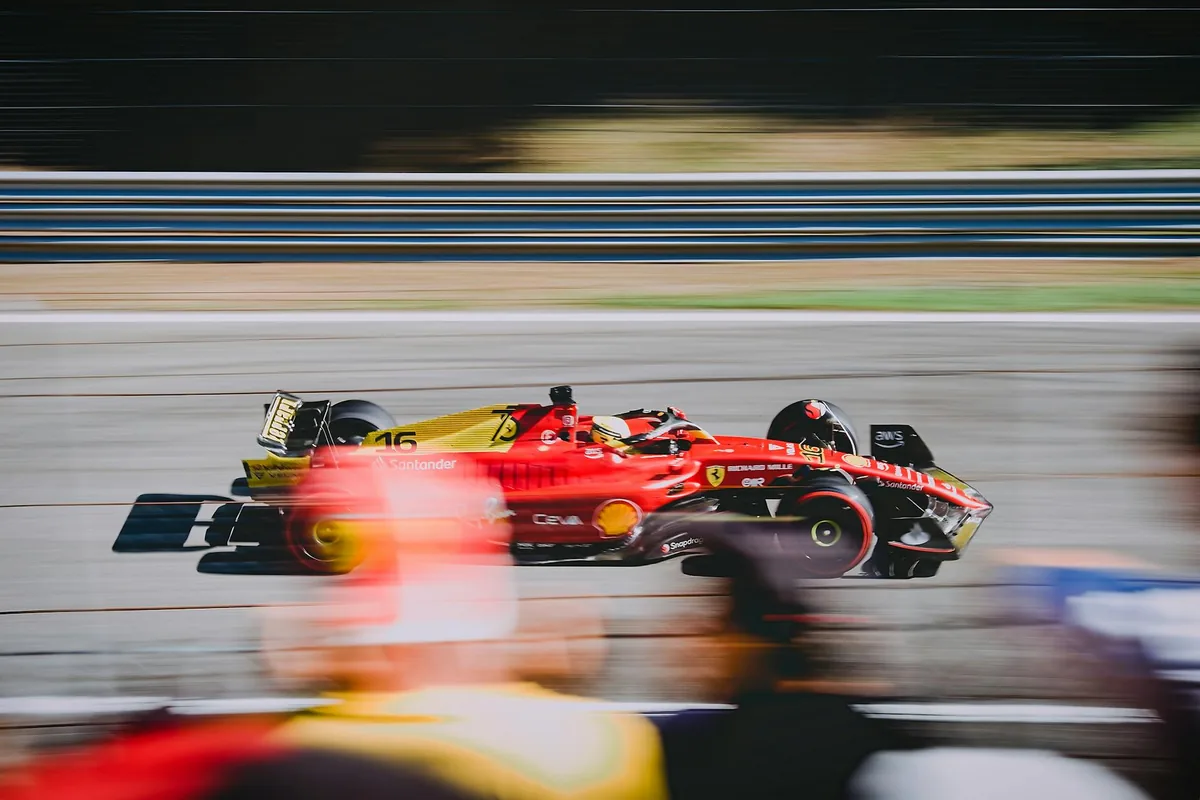
Silverstone Circuit: The Home of British Motorsport
Silverstone Circuit is the historic and spiritual home of the British Grand Prix, a venue where the roar of Formula 1 engines has echoed since the championship's inception in 1950. Located in Northamptonshire, England, this former Royal Air Force bomber station has evolved from a rudimentary track marked by hay bales into one of the world's most advanced and revered motorsport facilities. Its unique combination of high-speed corners, rich history, and passionate fan support makes it a cornerstone of the F1 calendar and a bucket-list destination for racing enthusiasts globally.
A Legacy Forged in Speed
Silverstone's story began on October 2, 1948, hosting the first-ever Grand Prix held under the Royal Automobile Club's jurisdiction. Just two years later, it was chosen to host the very first round of the new Formula One World Championship. That 1950 race, won by Alfa Romeo's Giuseppe Farina, cemented Silverstone's place in motorsport history. The circuit's layout has undergone significant changes over the decades, transitioning from the fast sweeps of the original perimeter track to the more technical, safety-conscious design of today. For a deep dive into these transformations, explore our detailed article on How Silverstone Circuit Has Changed: Major Modifications Through History.
The Modern Track: A Driver's Favorite
The current 5.891 km (3.661 mi) Grand Prix layout is renowned as one of the most demanding and rewarding circuits on the F1 calendar. It is a true power circuit that tests every aspect of a car and driver, with a series of legendary high-speed corners that define the lap.
Iconic Corners and Challenges
The lap begins with the explosive acceleration through Abbey and Farm Curve, leading into the Village complex. The sequence from The Loop through Aintree to Brooklands requires heavy braking and precise car placement. However, the soul of Silverstone is found in its second half. The Maggotts-Becketts-Chapel complex is a breathtaking, flowing series of high-speed direction changes that places immense lateral force on drivers and is critical for a good lap time. This leads onto the long Hangar Straight and the famed Stowe corner, a heavy braking zone that offers prime overtaking opportunities. The lap concludes with the Vale and Club corners, before drivers blast back onto the pit straight.
Understanding each turn's nuance is key to appreciating the skill on display. Our Silverstone Track Layout: Corner-by-Corner Analysis breaks down the technical requirements of every sector.
Planning Your Visit: The Ultimate Fan Experience
Attending the British Grand Prix is an unforgettable experience. Planning is essential to make the most of the race weekend, which is packed with support races, fan zones, and entertainment.
Grandstands and Viewing
Choosing where to watch the action is a crucial decision. Each grandstand offers a unique perspective. The Becketts complex provides stunning views of the fastest section of the track, while grandstands at Stowe or Club offer excellent views of overtaking maneuvers. For families, the Woodcote or Luffield areas often provide a more relaxed atmosphere with a view of multiple corners. Our comprehensive Choosing Your Seat: Complete Silverstone Grandstand Selection Guide will help you find the perfect spot.
Accessibility and Amenities
Silverstone is committed to being accessible for all fans. The circuit offers dedicated viewing platforms, accessible parking, and shuttle services. Detailed information on these facilities can be found in our Access for All: Silverstone Disability and Accessibility Services Guide. Across the venue, you'll find a wide variety of food and drink outlets, from classic trackside fare to premium dining experiences, ensuring there's something for every taste.
Technical Demands and Race Strategy
Silverstone presents a unique set of challenges for teams and engineers. The high-speed nature of the track places a premium on aerodynamic efficiency and engine power. Cars run with medium to low downforce configurations to maximize straight-line speed, which in turn makes them more sensitive to the famously changeable British weather.
Tyre management is critical due to the high-energy loads through corners like Maggotts and Becketts. Teams must carefully plan their tyre strategy, often opting for multiple stops. Furthermore, the circuit's layout means fuel consumption is among the highest of the season, adding another layer to strategic planning. The FIA's official website provides further technical regulations and insights that govern these strategic decisions at FIA.com.
More Than a Race: The Silverstone Atmosphere
The British Grand Prix is famed for its electric atmosphere, fueled by some of the most knowledgeable and passionate fans in the world. The event has grown into a full-scale festival of motorsport. Beyond the track action, the Silverstone Fan Zone features simulators, live music, driver appearances, and exhibitions showcasing historic racing cars. The sense of history is palpable, celebrating British racing legends from Stirling Moss to Lewis Hamilton. For the complete competitive record, the official Formula 1 website maintains an authoritative database of race results and statistics.
Looking to the Future
Silverstone continues to innovate and invest in its future. Significant upgrades to facilities, including new grandstands and fan areas, are undertaken regularly. A major focus for the circuit is sustainability, with initiatives aimed at reducing its environmental impact through renewable energy, waste reduction, and biodiversity projects. These efforts ensure that Silverstone remains a world-class venue, ready to host the pinnacle of motorsport for generations to come while honoring its unparalleled heritage as the heart of racing in the United Kingdom.