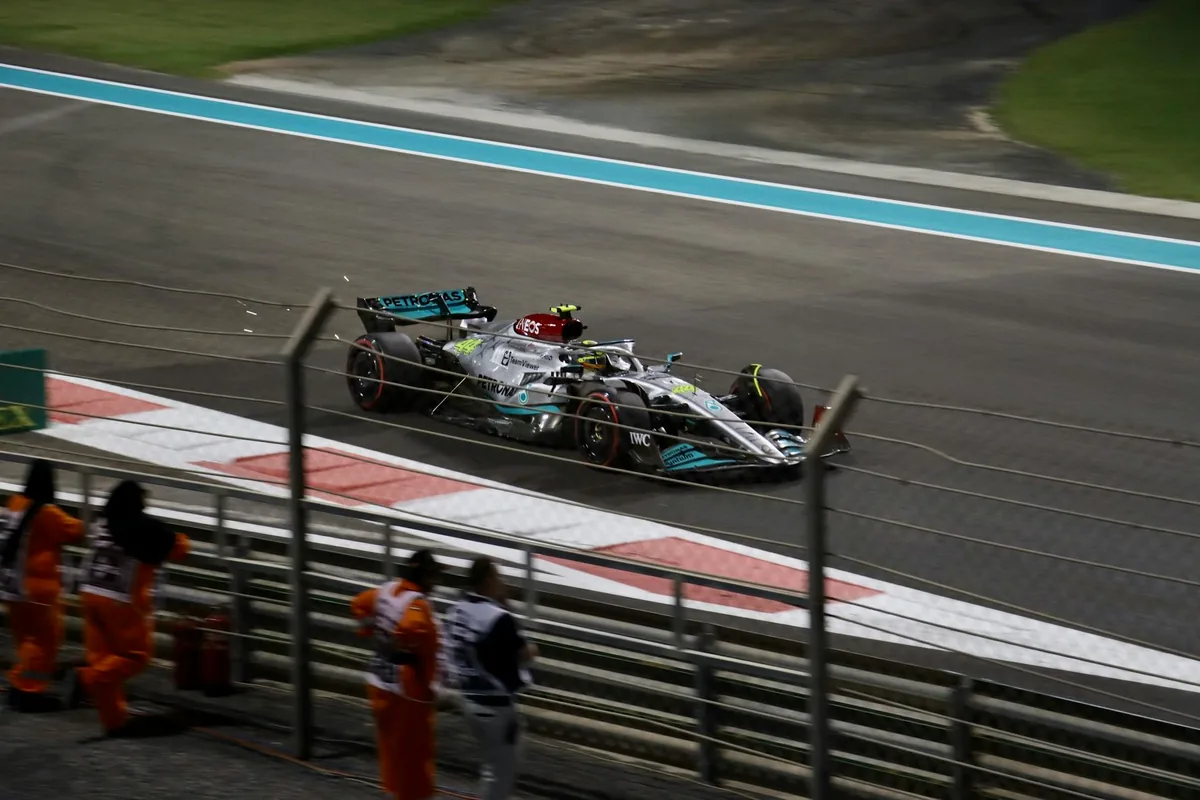
The Symphony of Speed: Why Team Dynamics Are Everything at Silverstone
At the heart of every British Grand Prix victory at Silverstone lies a truth often overshadowed by the driver on the podium: success is a collective achievement. The high-speed ballet of Formula 1 is underpinned by an intricate web of human collaboration, where milliseconds are gained or lost not just on the track, but in the garage, the strategy office, and the factory. The unique challenges of the Silverstone Circuit—its relentless high-speed corners, unpredictable weather, and immense physical demands—make flawless team dynamics not just an advantage, but an absolute necessity for triumph.
The Core Units: Garage, Pit Wall, and Factory
A modern F1 team at Silverstone operates as a synchronized orchestra with three main sections, each playing a critical role in the weekend's performance.
The Garage Crew: Precision Under Pressure
This is the team's most visible element. From the mechanics executing sub-two-second pit stops to the engineers fine-tuning the car's complex systems, their work is a blend of practiced choreography and real-time adaptation. The pressure during a Silverstone race is immense, with strategic pit windows often dictated by changing conditions. A single miscommunication during a stop can cost a race. The cohesion of this group, built on trust and countless hours of rehearsal, is what turns potential chaos into a seamless operation. For a deeper look at where this high-pressure work happens, explore our guide to the Inside Silverstone's Pit Lane: Operations and Technology.
The Strategy Team: The Chess Masters
Perched above the garage on the pit wall, the strategy team and race engineer are the team's brain trust. They process a torrent of live data—lap times, tyre wear, weather radar, and competitor positions—to make split-second decisions. At a circuit like Silverstone, where Weather at Silverstone: How Conditions Affect the Race is a dominant factor, their collaborative analysis is crucial. They must synthesize input from the driver, track-side engineers, and factory simulations to call the correct strategy, whether it's committing to a bold one-stop or reacting to a sudden rain shower. This unit's success hinges on clear communication and a shared, calm decisiveness.
The Factory: The Unsung Hero
The team members back at the factory in the UK, Italy, or Switzerland are integral to race weekend dynamics. Working in shifts to provide 24/7 support, they analyze data beamed directly from the car, run complex simulations to predict tyre degradation or aerodynamic performance in different weather scenarios, and manufacture new parts at lightning speed. The live feedback loop between the track and the factory means the car that starts the race weekend is often subtly but significantly different by Sunday, thanks to this invisible collaboration.
Silverstone's Unique Challenges: A Test of Team Cohesion
The specific characteristics of the Silverstone track amplify the need for perfect teamwork. Its famous high-speed sweeps, like Maggotts and Becketts, place extreme loads on the car, requiring precise aerodynamic and mechanical setup—a task that demands seamless collaboration between vehicle dynamics engineers and aerodynamicists. Furthermore, the circuit's exposed location on an old airfield makes it notoriously windy. A sudden gust can affect car balance through a corner like Copse, requiring driver feedback to be instantly interpreted and acted upon by the engineering team to make setup adjustments.
Perhaps the greatest test, however, is strategic. Silverstone's layout and surface temperature often lead to high tyre wear, making strategy a multi-variable puzzle. The team must collaboratively decide on the optimal tyre compound and pit stop lap, balancing track position against tyre life, all while monitoring the ever-present threat of rain. As analyzed in our Tyre Strategy at Silverstone: Pirelli's Challenge, getting this collective decision wrong can see a competitive car tumble down the order.
Communication: The Lifeline of the Operation
All these dynamic interactions are fueled by communication. The team radio is the most direct lifeline, connecting the driver to the race engineer. Effective communication here is not just about relaying information; it's about psychology, clarity, and trust. The engineer must filter vast amounts of data into concise, actionable messages, while the driver must provide accurate, technical feedback on the car's behavior amidst extreme physical duress. Breakdowns in this dialogue are costly. For fascinating insights into this world, read our feature on Team Radio Communication: Decoding Messages at Silverstone.
Beyond the radio, teams utilize interconnected software platforms that allow data, telemetry, and strategy models to be viewed simultaneously by personnel in the garage, on the pit wall, and at the factory. This shared digital environment ensures everyone is literally on the same page, making collaborative decision-making faster and more informed.
Building a Winning Culture
Exceptional team dynamics don't appear spontaneously; they are cultivated. Successful teams invest heavily in simulation training, not just for drivers but for pit crews and operational procedures. They debrief meticulously after every session, fostering an environment where every team member, from the lead aerodynamicist to the tyre mechanic, can contribute observations. This culture of open dialogue and continuous learning, where the goal is collective problem-solving rather than assigning blame, is what separates the good from the great. The role of the team principal is pivotal in setting this tone, as explored in our piece on Team Principal Interviews: Strategies from the Top.
Conclusion: More Than the Sum of Its Parts
When a car crosses the finish line first at Silverstone, it is the culmination of thousands of perfect interactions between hundreds of highly skilled individuals. The driver provides the ultimate performance, but it is delivered on a platform built by engineers, strategists, and mechanics working in harmony. In the cauldron of the British Grand Prix, where history is made and championships can be decided, it is this profound collaboration—this seamless team dynamic—that truly drives the wheel of success. The relentless pursuit of marginal gains is a team sport, and Silverstone remains one of its most demanding and rewarding stadiums. For a broader understanding of the venue that hosts this symphony of collaboration, visit our Silverstone Circuit: Complete Guide to the British Grand Prix Venue.