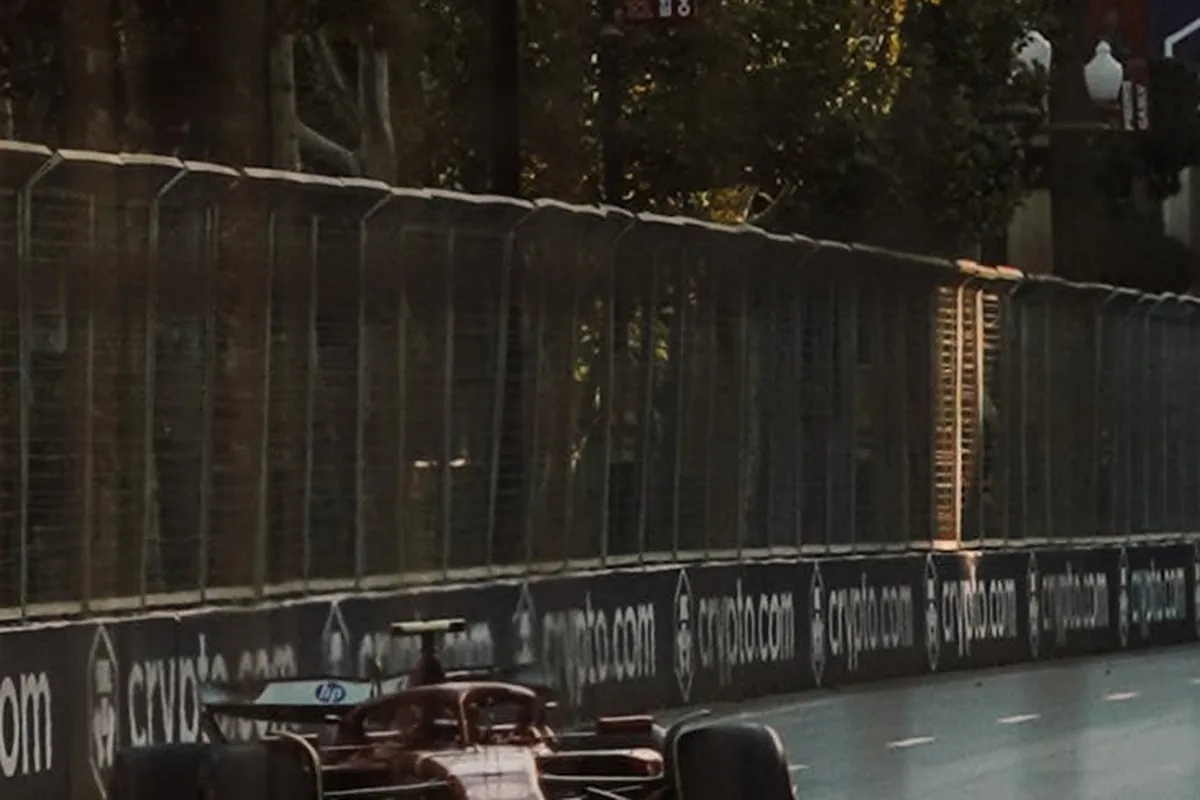
The Heartbeat of the Race: Inside Silverstone's Pit Lane
The Silverstone pit lane is more than just a row of garages; it is the operational and strategic nerve center of the British Grand Prix. While fans in the grandstands witness the raw speed on track, the real chess match unfolds here, in a high-pressure environment where races are won and lost in under two seconds. This is a world of precision engineering, split-second decisions, and flawless teamwork, all operating within the strict confines of the FIA's sporting regulations.
Architecture and Layout: A Purpose-Built Facility
Silverstone's pit and paddock complex is a modern marvel of motorsport architecture. Following major renovations, the facility now boasts a state-of-the-art pit building that houses all ten Formula 1 teams during a race weekend. Each team's garage is a temporary headquarters, meticulously organized with a primary car, a spare chassis, countless spare parts, and sophisticated data analysis stations. The pit lane itself is a precisely measured strip of tarmac, with painted lines dictating where cars must stop for service. Its design directly influences strategy, with the length of the pit lane entry and exit being critical factors in calculating the all-important "pit stop loss time," a key variable in every race simulation. The evolution of this facility is a story in itself, detailed in our look at Silverstone's construction and renovation history.
The Anatomy of a Perfect Pit Stop
A modern F1 pit stop is a ballet of chaos, a choreographed procedure that can change a race's outcome. At Silverstone, where track position is crucial, these stops must be flawless.
The Crew
Each team fields over twenty mechanics for a stop. Roles are hyper-specialized: front and rear jack operators, wheel gun operators, wheel off/on crew, stabilizers, and the lollipop person (or modern light system operator) who controls the car's release. Every individual undergoes relentless training to achieve muscle memory and seamless coordination.
The Technology
High-speed wheel guns, precisely calibrated to apply exact torque, are the stars. The wheel nuts are designed for rapid engagement and disengagement. Jacks are lightweight yet incredibly strong. Overhead gantries deliver fresh tires, and all actions are monitored by a wall of sensors and cameras, with data fed instantly to the team's strategy engineers analyzing performance in real-time.
The Procedure
From the moment the car crosses the pit lane line, every millisecond counts. The car must stop within its designated box, often guided by a mechanic. The jacks lift, wheel guns remove the old tires, new tires are fitted and secured, the car is lowered, and it's released—all typically in under 2.5 seconds. A single fumble, a cross-threaded nut, or a miscommunication can cost precious seconds and track position.
Race Strategy: The Brain of the Operation
The pit lane is where strategy comes to life. Decisions on when to pit are made by a team of strategists analyzing a live feed of data.
Tire Management
Silverstone's high-speed, flowing nature is notoriously tough on tires. The tyre strategy is paramount. Strategists must decide the optimal lap to switch compounds, balancing tire wear against traffic and track position. A sudden change in weather, as explored in our guide on how weather affects racing at Silverstone, can turn a one-stop strategy into a two-stop scramble in moments.
Undercuts and Overcuts
The "undercut" (pitting earlier than a rival to gain time on fresh tires) and the "overcut" (staying out longer to build a gap) are classic strategic plays. Silverstone's pit lane time loss influences which tactic is more potent during a race. Teams run thousands of simulations before the weekend to model every possible scenario.
Reacting to the Race
Strategy is never static. A Safety Car deployment, which is not uncommon at Silverstone, triggers immediate recalculations. Teams must instantly decide whether to pit for "free" tire changes or stay out to gain positions. This decision-making, under extreme pressure, separates the good teams from the great ones.
Beyond the Stop: Daily Operations and Technology
Race day is the pinnacle, but the pit lane is a hive of activity throughout the weekend. During practice sessions, cars return for constant setup changes, aerodynamic tweaks, and data downloads. Engineers pore over telemetry, comparing sector times and vehicle behavior to refine the car's setup for Silverstone's unique corner combinations. The garage becomes a workshop where parts are swapped, systems are checked, and repairs are made against the clock. Advanced simulation tools and communication systems ensure the driver, engineers on the pit wall, and factory headquarters are all perfectly synchronized.
The Human Element: Pressure and Precision
Despite the overwhelming technology, the human element remains decisive. The pit crew must perform with robotic precision while enduring immense psychological pressure. The roar of the crowd, the scream of engines, and the knowledge that a world championship point could be at stake creates an adrenaline-fueled atmosphere. Team radio communications, often tense and clipped, reveal the high-stakes decisions being made, a topic we explore further in our article on team radio communications at Silverstone. The bond and trust within the team are what enable these incredible feats of coordination.
Innovation and the Future
The pit lane is also a frontier for innovation. Teams constantly seek marginal gains in stop speed and procedural efficiency. Sustainability is becoming integrated, with initiatives to reduce waste from used tires and components, aligning with Silverstone's broader green racing future. The FIA also regulates technology here; for instance, the standardized ECU (Electronic Control Unit) ensures all teams have equal access to crucial car data during stops. Looking ahead, advancements in automated tools and real-time biometrics on crew members could further push the boundaries of performance.
For those fascinated by this behind-the-scenes world, the opportunity to witness it firsthand is unparalleled. Consider a behind-the-scenes pit lane tour for an up-close perspective. To understand the full scope of regulations governing this high-speed ballet, the Fédération Internationale de l'Automobile (FIA) provides the official sporting regulations that define every pit lane procedure. The relentless pursuit of perfection in Silverstone's pit lane continues to be a defining spectacle of the British Grand Prix, where strategy, technology, and human skill collide at breathtaking speed.