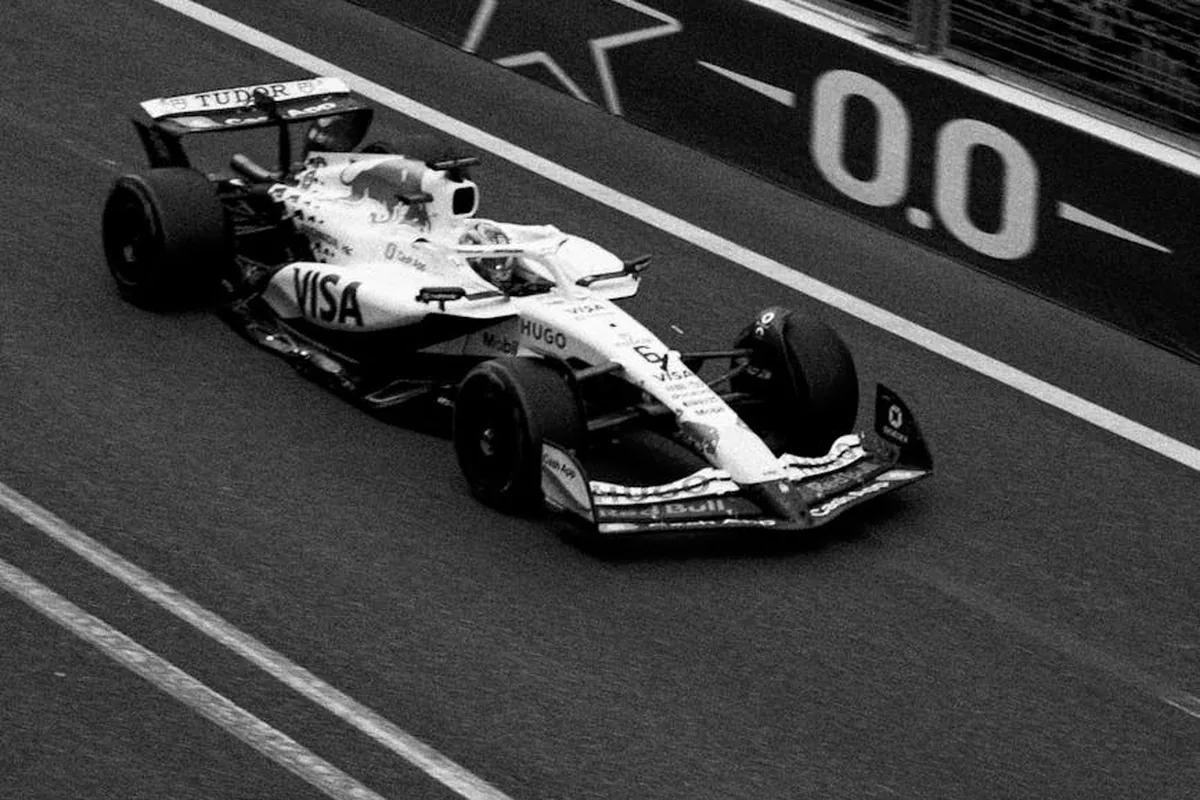
Silverstone Tire Strategy Deep Dive: Compounds and Wear
At the heart of every British Grand Prix at Silverstone is a high-speed chess match, and the pieces are made of rubber. Tire strategy is not merely a component of race planning; it is often the decisive factor between victory and defeat. The unique combination of Silverstone's high-speed corners, abrasive asphalt, and unpredictable British weather creates one of the most demanding tire management challenges on the Formula 1 calendar. This deep dive explores the intricate relationship between Pirelli's compounds, Silverstone's punishing layout, and the strategic genius required to master them.
The Pirelli Compound Range at Silverstone
Pirelli selects its three dry-weather compounds for each Grand Prix from a range of five, labeled C1 (hardest) to C5 (softest). For Silverstone, the selection typically leans towards the harder end of the spectrum due to the immense forces generated. The specific compounds—for example, C1, C2, and C3—are chosen to ensure multiple strategic options while managing the extreme wear.
The hard compound (e.g., C1) offers maximum durability and consistency but at the cost of initial grip and slower lap times. It is the safety-first option, often used for a long opening stint. The medium compound (e.g., C2) is the most versatile, providing a better balance between performance and lifespan. The soft compound (e.g., C3) delivers the peak qualifying performance and fastest race laps but degrades rapidly, making it a risky choice for anything other than short stints or a final sprint.
Understanding this hierarchy is crucial. As detailed in our Silverstone Track Layout: Corner-by-Corner Analysis, corners like the high-G-force Maggotts-Becketts-Chapel complex and the flat-out Copse corner place lateral loads on the tires that few other circuits can match, testing the structural integrity and heat resistance of every compound.
How Silverstone's Layout Accelerates Tire Wear
Silverstone is a circuit built for speed, and that speed comes at a direct cost to tire life. The wear is not uniform; it is a story told through specific corners and sections.
Lateral Load and Abrasive Surface
The primary enemy of tire life at Silverstone is lateral, or side, force. Through the famous sequence from Maggotts to Chapel, cars are subjected to sustained high-speed direction changes. This constant side-loading scrubs the rubber, generating immense heat and accelerating wear on the outer shoulders of the tires. Furthermore, the circuit's track surface evolution and asphalt composition have been refined over years, but it remains relatively abrasive compared to smoother, newer circuits. This abrasion literally tears microscopic pieces of rubber from the tire, increasing degradation.
Energy Input and Thermal Degradation
Every corner inputs energy into the tire carcass as heat. Silverstone's succession of fast corners means this energy input is relentless, with little time for tires to cool on short straights. Managing this thermal degradation—preventing the tires from overheating and "going off" into a cycle of rapidly losing grip—is a key driver skill. Teams use intricate brake duct and rim fin designs to try and manage this heat, a constant battle against physics.
Strategic Archetypes: One-Stop vs. Two-Stop
The classic strategic dilemma at Silverstone revolves around the number of pit stops. The decision is influenced by compound selection, wear rates, and a critical external factor: weather conditions at Silverstone.
The One-Stop Strategy: This is the preferred, fastest theoretical race if tire wear can be managed. It usually involves starting on the medium compound, running a long first stint, and then switching to the hard compound to the finish. The challenge is nursing the tires through the high-degradation phases, especially in traffic, without losing too much time. A one-stop requires impeccable pace management and often benefits the driver who can preserve their tires while maintaining a competitive lap time.
The Two-Stop Strategy: Often forced by higher-than-expected wear or used as an aggressive alternative, a two-stop plan can be faster in pure race time but costs more in pit lane duration. Common approaches include Medium-Hard-Medium or, if degradation is severe, even a Soft-Medium-Hard sequence. A two-stop allows drivers to push harder on each stint, making it effective for overtaking or reacting to a safety car. The strategic battle often hinges on whether a team can make a one-stop work or if they are forced onto a slower two-stop by their tire wear.
The Wild Card: Weather and Temperature
No discussion of Silverstone strategy is complete without addressing the climate. Ambient and track temperature have a profound effect on tire behavior. A cool, overcast day can make it difficult to bring the tires up to their optimal working temperature, leading to graining—where rubber tears and re-adheres to the tire surface, reducing grip. A hot, sunny day pushes tires closer to thermal overheating, accelerating wear.
Rain, of course, changes everything. A damp or drying track introduces the intermediate and wet compounds into the equation. Strategy becomes a real-time gamble, with teams trying to predict the perfect moment to switch from wet to intermediate to slick tires. These conditions have created some of the most memorable rain-affected British Grand Prix races in history. For the latest technical insights on tire performance, the official Pirelli Motorsport website provides detailed compound guides and post-race analysis.
Team Tactics and In-Race Adaptations
The pre-race strategy is merely a hypothesis. The race itself is the experiment. Teams constantly monitor real-time data, including:
- Wear Sensors: Data on tire wear across the surface.
- Core and Surface Temperatures: Critical for understanding grip and degradation state.
- Lap Time Delta: Comparing actual lap times to the theoretical model for each tire age.
This information flows into the strategy wall, leading to adaptations. A competitor pitting early may trigger an "undercut" response, where a rival pits the next lap to try and gain position with fresh rubber. Conversely, a "overcut" involves staying out longer to gain track position if the tires are still holding on well. Communication between driver and engineer is vital, as explored in our feature on team radio strategy insights from Silverstone. The driver's feel for the tire's condition is often the final, decisive piece of data.
Historical Lessons and Future Trends
History offers clear lessons. Races where a one-stop was predicted have often unraveled into two-stops due to safety cars or higher temperatures. The 2020 British Grand Prix, for instance, saw multiple late tire failures as teams pushed the one-stop to its absolute limit, a stark reminder of Silverstone's brutality. Looking ahead, tire strategy will continue to evolve with car regulations and compound development. The constant pursuit is for a wider "working range" in the tires to facilitate more strategic variety and closer racing. For a broader look at how teams approach this circuit, see our analysis of winning team strategies at Silverstone.
Mastering Silverstone requires more than a fast car and a brave driver. It demands a deep, nuanced understanding of rubber, asphalt, and weather. The team that best deciphers the complex code of compound behavior and wear under the unique stresses of this historic circuit will most often find itself celebrating in front of the passionate British fans. For further reading on technical race strategy, the FIA's sporting regulations provide the framework within which all these strategic battles take place.