Team Radio Strategy Insights from Silverstone Races
The crackle of team radio is the raw nerve center of a Formula 1 race. At Silverstone, with its unique blend of high-speed corners, capricious weather, and relentless physical demands, these communications become a critical strategic weapon. Decoding the messages between driver and pit wall reveals the high-stakes chess game unfolding at over 200 mph. This analysis delves into the key strategic insights gleaned from team radios during historic and recent British Grand Prix, showcasing how decisions are made in real-time on one of the world's most demanding circuits.
The Dual Role of Silverstone Team Radio
Team radio at Silverstone serves two primary, interconnected functions: tactical execution and psychological management. The tactical layer involves direct instructions on tyre management, pit stop windows, fuel modes, and overtaking. The psychological layer is about managing a driver's morale, focus, and perceived pressure, especially for home heroes like Lewis Hamilton. A calm, measured instruction during a tense moment can be as valuable as a perfect pit stop. Understanding this duality is key to appreciating why certain phrases are used and how they influence race outcomes.
Weather: The Ultimate Radio Wildcard
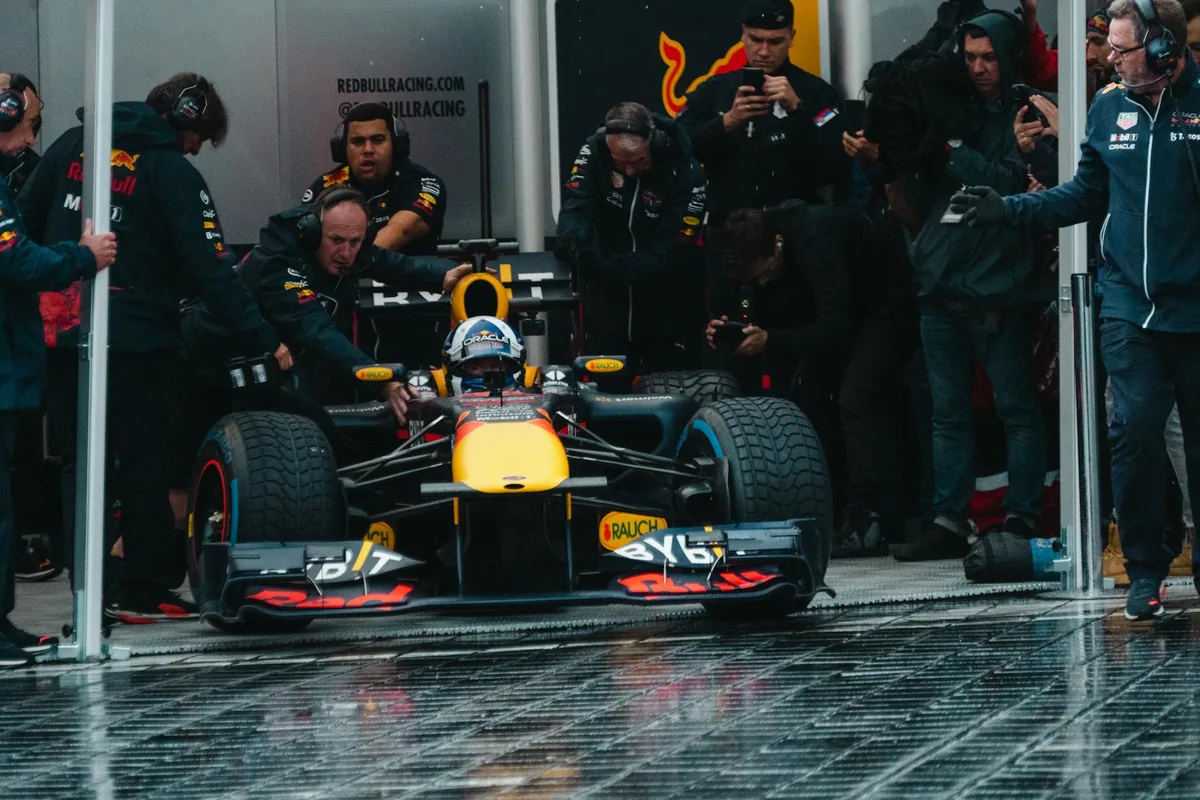
Silverstone’s famously unpredictable weather turns team radio into a frenetic meteorological command center. Radios become flooded with driver observations and strategic calculations the moment a dark cloud approaches. Key insights from wet-dry races include:
- The "Drizzle Sensor": Drivers are the first to feel minute changes in grip. Calls like "It's just starting to spit in the Becketts complex" provide the pit wall with hyper-local data long before radar updates.
- The Inters vs. Slicks Gamble: This is a classic Silverstone dilemma. Radios capture the tense debate, weighing a driver's confidence ("The track is drying quickly, I can stay out") against the strategist's risk assessment ("Box now, box now. We are losing three seconds a lap").
- Managing Spray and Visibility: In heavy rain, radio communications focus on survival. Instructions to increase following distances, warnings about massive spray from cars ahead, and reassurances about changing conditions are constant.
These moments underscore that strategy here is not just about pre-race plans, but agile adaptation. For a deeper understanding of this challenge, see our analysis on How Weather Affects Racing at Silverstone.
Tyre Management: The Strategic Backbone
Silverstone’s high-energy corners, like Copse, Maggotts, and Becketts, are notoriously brutal on tyres. Team radio provides a live feed into the degradation battle.
Phasing and Target Times
You’ll rarely hear a driver simply told to "go faster." Instead, communications are precise: "Manage to a 1:31.5, we are three laps from the window." The driver is given a target lap time that balances tyre life with track position, a practice known as "phasing." The pit wall constantly recalculates this phase based on the degradation data telemetried from the car and the performance of rivals.
The "Switch-Out" Window
A critical radio moment is the call to "push" or "switch out" of management mode. This instructs the driver to extract maximum performance from the tyres for a qualifying-style lap, either to gain position before a pit stop or to build a gap afterward. The timing of this call, often preceded by "Tyres are in the window, push now," can make or undercut a competitor.
For a technical deep dive into this crucial aspect, explore our Tyre Strategy at Silverstone: Pirelli's Challenge.
Traffic and Overtaking: The Real-Time Calculus
Overtaking at Silverstone requires precise planning, and the radio is the coordination tool. Key strategies heard include:
- DRS Coordination: Engineers inform drivers of the gap to the car ahead to ensure DRS activation. They may also advise on where to complete a pass: "He's weak out of Chapel, get him before the Hanger Straight."
- Blue Flag Management: For leaders navigating backmarkers, the radio provides warnings: "Hamilton will be lapping you into Stowe this lap." This helps the leading driver anticipate where a slower car might yield, minimizing time loss.
- Defensive Posturing: Engineers warn their drivers of faster approaching cars, suggesting which corners to defend and which lines to take to break the tow. This is a delicate balance, as overly defensive driving can ruin tyre life.
Understanding the track's passing opportunities is vital. Our Overtaking Hotspots at Silverstone article breaks down where these radio-directed battles most often occur.
Home Hero Pressure and Psychological Warfare
The roar of 150,000 fans at Silverstone is a double-edged sword for British drivers. Team radio often reveals the psychological tactics used to harness this energy. Engineers frequently employ calming, positive reinforcement: "Head down, you're doing a great job. The pace is strong." Conversely, for a driver chasing a home victory, the radio might be used to amplify urgency: "He is 1.2 seconds ahead. We need everything now. This is the moment." The tone is everything; panic is infectious, but focused intensity can be galvanizing. The pressure-cooker environment makes clear, concise communication paramount, as explored in our feature on Home Soil Pressure: How British Drivers Perform at Silverstone.
Data: The Silent Partner in Every Radio Call
Every strategic radio instruction is underpinned by a torrent of real-time data. Engineers monitor not just their own car's telemetry but also predictive models of rival strategies. When a strategist says, "Verstappen is going to a two-stop," that claim is based on data analytics of his lap times, tyre wear, and gap management. The radio call is the final, human-executed command in a chain of digital analysis. This seamless integration of data and voice communication defines modern F1 strategy. Learn more about this process in Data Telemetry Insights: How Teams Use Information at Silverstone.
Iconic Silverstone Radio Moments
History provides crystal-clear examples of radio defining races at Silverstone:
- 2013: "Multi 21" Aftermath: While the infamous team order was given at the Malaysian GP, its shadow loomed. At Silverstone that year, radio communications between Red Bull drivers and the pit wall were scrutinized for any hint of tension, showing how team dynamics are constantly managed over the air.
- 2020: Hamilton's Last-Lap Puncture: The frantic radio exchanges as Hamilton's tyre disintegrated on the final lap—"Front left puncture! Front left puncture!"—followed by the calm, urgent instructions from the pit wall to nurse the car home, exemplified crisis management under extreme pressure.
- 2022: The Ferrari Strategic Dilemma: Listeners heard the confusion as Ferrari grappled with Safety Car periods, with drivers questioning strategy calls. These exchanges highlighted how decisive and clear radio communication is a performance differentiator in itself.
Conclusion: The Unseen Battle on the Airwaves
The battle for victory at the British Grand Prix is fought as fiercely over the radio waves as it is on the tarmac. From micro-adjustments for a passing shower to the macro-calculation of a race-winning pit stop, team radio is the conduit for strategy, psychology, and raw data. It transforms the driver from a sole operator into the tip of a vast, intelligent spear. For fans, listening to these communications—officially broadcast by Formula 1 and analyzed by experts like those at RaceFans—provides an unparalleled insight into the complex, high-speed decision-making that defines a weekend at Silverstone. The next time you hear a terse radio message, remember: it is the culmination of thousands of data points and years of experience, distilled into a command that could change the history of the British Grand Prix.