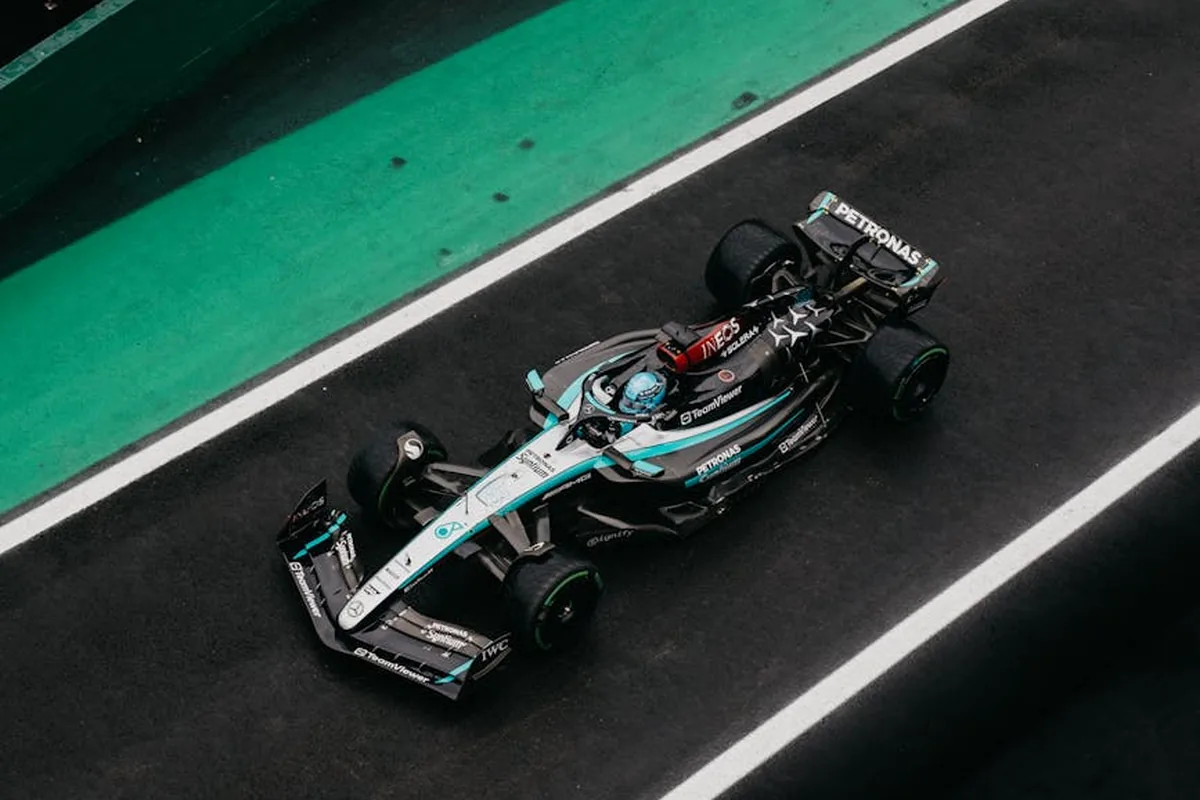
Data Analytics: The Invisible Weapon at Silverstone
In the high-stakes world of Formula 1, victory at a circuit like Silverstone is no longer decided solely by driver bravery or raw engine power. It is increasingly won in the digital realm, through the meticulous collection, analysis, and application of vast quantities of data. Every team at the British Grand Prix operates as a mobile data center, using analytics to sculpt strategy, refine car setup, and unlock thousandths of a second that separate glory from defeat.
The Data Pipeline: From Car to Cloud
Modern F1 cars are data-generating monsters. During a single lap of the Silverstone track layout, hundreds of sensors monitor every conceivable parameter: throttle and brake pressure, suspension travel, tire temperature and wear, aerodynamic load, engine telemetry, and even the driver’s biometrics. This torrent of information—often exceeding 2 terabytes per race weekend—is transmitted in real-time via high-frequency radio links to the team garages and then to factory-based mission control centers.
The process is a continuous loop of measurement and adjustment. Engineers analyze live data streams during practice sessions to validate simulations and make immediate setup changes. This is particularly crucial at a flowing, high-speed circuit like Silverstone, where aerodynamic efficiency and suspension setup are paramount for maintaining speed through iconic sequences like Maggotts and Becketts.
Strategic Mastery: Predicting the Unpredictable
Race strategy at Silverstone is a complex probabilistic chess game, powered by data analytics. Teams build sophisticated predictive models that simulate thousands of potential race scenarios, incorporating variables such as rival behavior, tire degradation, and the ever-present wildcard: weather conditions at Silverstone.
Tire and Fuel Management
Data dictates the critical decisions of when to pit and which tire compound to use. Sensors provide granular readouts on tire wear across the tread and carcass temperature, allowing engineers to project the optimal lap to switch from a qualifying-focused soft compound to a more durable hard. Similarly, fuel consumption is modeled with extreme precision. While refueling is banned during the race, teams start with a finite amount, and data analytics ensures they run the leanest possible mix to minimize weight without risking running dry, a balance between efficiency and performance.
Overtaking and Defense
Analytics also map the most probable overtaking opportunities. By analyzing speed traces and braking points from previous laps, teams can advise drivers on the best corners to attempt a pass or where to defend most effectively. The effectiveness of the DRS zones, detailed in our DRS zone analysis, is constantly evaluated using data to understand the exact tow required for a successful maneuver.
Car Setup and Performance Optimization
Beyond race strategy, data is the cornerstone of car development and weekend setup. Engineers use computational fluid dynamics (CFD) and wind tunnel data, correlated with on-track sensor readings, to perfect the car’s aerodynamic package for Silverstone’s unique demands.
Key areas of focus include:
- Brake System Analysis: Silverstone’s heavy braking zones, like into Village and The Loop, place immense thermal stress on brakes. Data on disc and pad temperature is critical for managing wear and preventing fade. Learn more in our deep dive into brake system performance.
- Suspension Tuning: Data from accelerometers and position sensors helps engineers find the perfect compromise between mechanical grip for the slower corners and stable, responsive handling for the high-speed sweeps.
- Power Unit Deployment: Engine mapping is tailored sector-by-sector. Data dictates where to harvest energy under braking and where to deploy the electrical boost for maximum acceleration out of corners like Chapel onto the Hangar Straight.
The Human Element: Data and the Driver
Data analytics also enhances driver performance. Biometric sensors monitor heart rate, hydration, and G-force effects, providing insights into physical conditioning. More strategically, post-session data debriefs are central. Engineers compare a driver’s telemetry with their teammate’s or a theoretical ideal lap, identifying specific corners where time can be gained. This objective feedback loop, often discussed in team radio communications, turns subjective feel into actionable technical adjustments.
The Future: AI and Real-Time Decision Making
The frontier of F1 data analytics is moving toward greater automation and artificial intelligence. Machine learning algorithms can now spot patterns in tire wear or competitor behavior that might elude human analysts. The goal is to move from descriptive analytics (“what happened”) to prescriptive analytics (“what should we do next”), offering real-time strategic recommendations during the race itself. This digital arms race ensures that Silverstone remains a battleground not just of engineering, but of information.
The role of data is so integral that it shapes the very infrastructure of the circuit. The need for flawless data transmission influences the placement of antennae and the design of the pit lane operations, where milliseconds in communication can equate to positions on track.
Conclusion
At the British Grand Prix, the roar of engines is matched by the silent hum of servers. Data analytics has transformed Formula 1 from a purely mechanical sport into a multidisciplinary science. Winning at Silverstone requires perfect harmony between driver, machine, and the invisible stream of data that informs every decision. As teams continue to push the boundaries of what’s possible with information, the quest for speed becomes increasingly a quest for knowledge. For further reading on how data shapes modern motorsport strategy, visit the official Formula 1 website or explore technical analyses from authoritative sources like Racecar Engineering.