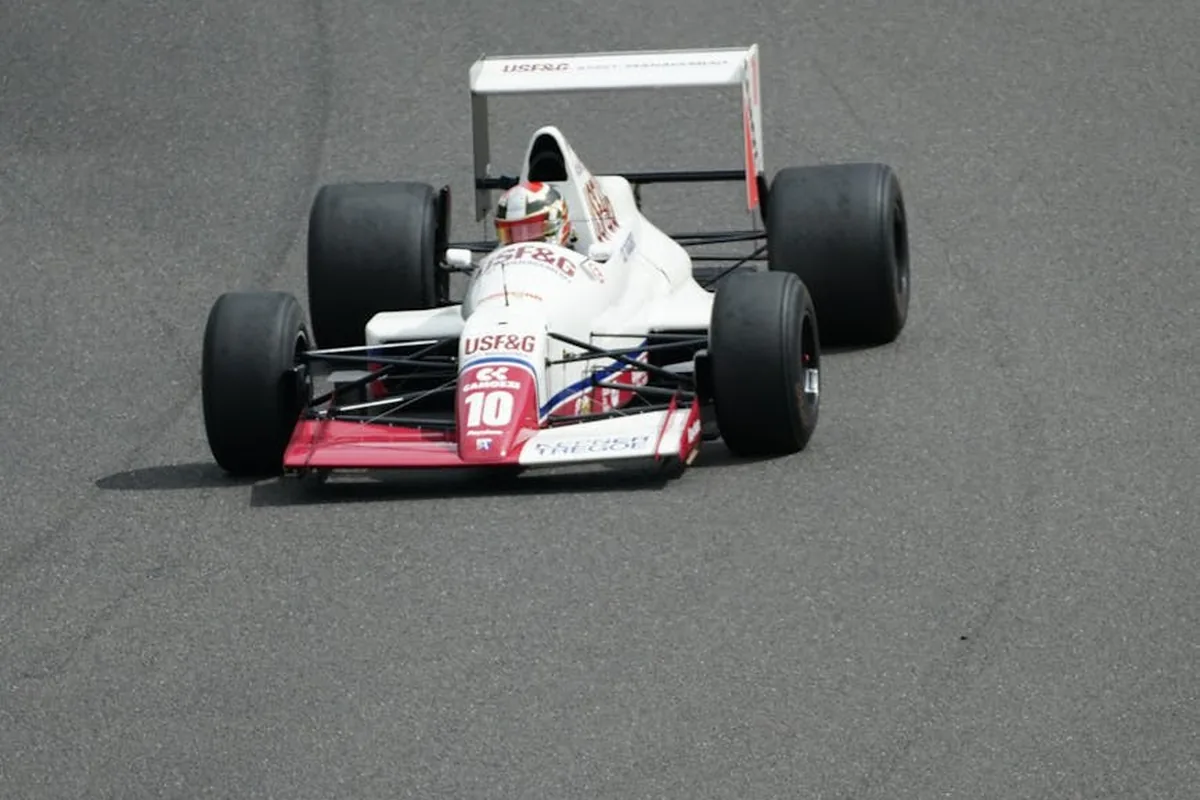
Silverstone Brake System Performance and Cooling Analysis
The Silverstone Circuit is a true test of man and machine, but few components are pushed to their absolute limit like the brake system. The combination of high-speed straights and heavy braking zones creates a unique thermal challenge that can define race strategy and outright performance. This analysis delves into the specific demands Silverstone places on Formula 1 braking systems, the critical role of cooling, and the engineering solutions teams deploy to conquer this iconic track.
The Unique Braking Demands of Silverstone
Silverstone’s modern layout, a flowing, high-speed circuit, is deceptive in its brutality on brakes. While it features fewer overtaking-focused heavy braking zones than some tracks, the stops that do exist are among the most severe in the championship. The circuit's character, defined by fast, sweeping corners, means cars carry immense kinetic energy that must be dissipated rapidly and repeatedly.
The most famous and demanding sequence is the complex at the end of the Hangar Straight. Approaching Stowe Corner (Turn 15), cars decelerate from over 330 km/h (205 mph) to around 130 km/h (80 mph) in under two seconds, subjecting the brake discs and pads to temperatures that can exceed 1,000°C. This is followed in quick succession by the Vale and Club chicane, requiring another significant braking event before the acceleration onto the final straight. This sequence creates a cumulative thermal load that can push brake systems to the brink of failure if not managed correctly. For a deeper understanding of the corners that create these demands, see our Silverstone Track Layout: Corner-by-Corner Analysis.
Brake System Components Under Stress
At Silverstone, every element of the brake system operates at peak stress. Carbon-carbon brake discs, the standard in F1, must withstand these extreme temperatures without glazing or cracking. The pads, made from a similar composite material, must maintain a consistent coefficient of friction throughout the temperature range. Hydraulic systems, which translate the driver's pedal pressure into clamping force at the caliper, must be flawless, as any fade or inconsistency can cost crucial tenths or lead to a lock-up.
Calipers, typically made from machined aluminum or titanium for lightness and strength, house multiple pistons that evenly apply pressure to the pad. At Silverstone, the cooling of these calipers is almost as important as cooling the disc itself, as excessive heat can boil the brake fluid—a condition known as "fade" where the pedal goes soft and braking power is drastically reduced.
The Critical Role of Brake Cooling
Cooling is the linchpin of brake performance at a circuit like Silverstone. Teams arrive with a specific cooling configuration, balancing the need to manage extreme heat against the aerodynamic drag caused by larger brake ducts.
Cooling Configurations and Trade-offs
Brake ducts are carefully designed to channel high-pressure air from the front of the car directly onto the brake disc and caliper. For Silverstone, teams typically opt for medium to high cooling specifications. Larger duct openings and internal vanes direct more air, but this increases drag on the straights, compromising top speed. Finding the optimal setup is a delicate compromise; too little cooling risks catastrophic failure, while too much sacrifices lap time. This decision is intrinsically linked to a car's overall Silverstone Aerodynamics Setup.
Material Science and Heat Dissipation
The brake discs themselves are engineered to radiate heat efficiently. Their intricate internal vanes are designed to pull cool air through the center of the disc hub, expelling hot air from the outer edge. The specific vane geometry is often tailored to a circuit's profile. Furthermore, teams use different coatings and materials for the brake pad backing plates and caliper seals to better withstand the thermal cycles experienced during a Silverstone Grand Prix.
Strategic Implications of Brake Management
Brake performance doesn't exist in a vacuum; it directly influences race strategy and driver technique.
Drivers must carefully manage their brakes throughout a stint to prevent overheating. This can involve techniques like "brake lifting," where they slightly release pressure mid-corner to allow cooling air to reach the disc, or altering their braking points in traffic. On the pit wall, engineers monitor real-time brake temperature data from sensors in the wheels. Abnormally high temperatures can force a driver to adopt a more conservative pace or even trigger an unscheduled pit stop to prevent failure. This data is a crucial part of the broader How Data Analytics Shapes Silverstone Race Strategy.
The interaction with tire strategy is also vital. Overheated brakes can excessively heat the wheel rim and, consequently, the tire's inner sidewall, leading to accelerated tire wear or blistering. Therefore, the ideal brake setup supports the chosen Silverstone Tyre Strategy.
Evolution and Technological Innovation
The approach to braking at Silverstone has evolved dramatically. Historical cars with steel brakes faced far more severe limitations, with drivers needing to brake earlier and often pump the brakes to build pressure. The introduction of carbon brakes and advanced carbon-fiber composites allowed for the incredible stopping power we see today. Continuous innovation in brake-by-wire systems, which integrate with the car's energy recovery systems (ERS), and advanced friction materials have pushed the boundaries of performance and reliability. For context on how the track itself has changed, explore How Silverstone Circuit Has Changed: Major Modifications Through History.
Looking forward, the focus remains on materials that can handle higher temperatures more consistently and cooling solutions that are more aerodynamically efficient. Research into advanced ceramics and new composite matrices is ongoing. Furthermore, the increasing role of regenerative braking in hybrid power units adds another layer of complexity, managing the blend between traditional friction braking and electrical recovery to optimize both lap time and energy deployment.
Conclusion: A Balancing Act at High Speed
Mastering the brakes at Silverstone is a complex engineering ballet. It requires a perfect synergy between material science, aerodynamic efficiency, strategic foresight, and driver skill. The circuit’s specific profile makes brake system performance a potential differentiator between victory and retirement. As Formula 1 continues to evolve, the relentless pursuit of marginal gains will ensure that the brake systems gliding through Stowe, Vale, and Club remain at the cutting edge of motorsport technology, where managing immense heat is the key to unlocking ultimate speed. For authoritative technical insights into modern F1 brake systems, refer to the FIA's Technical Department resources and for materials science, the SAE International provides valuable research.