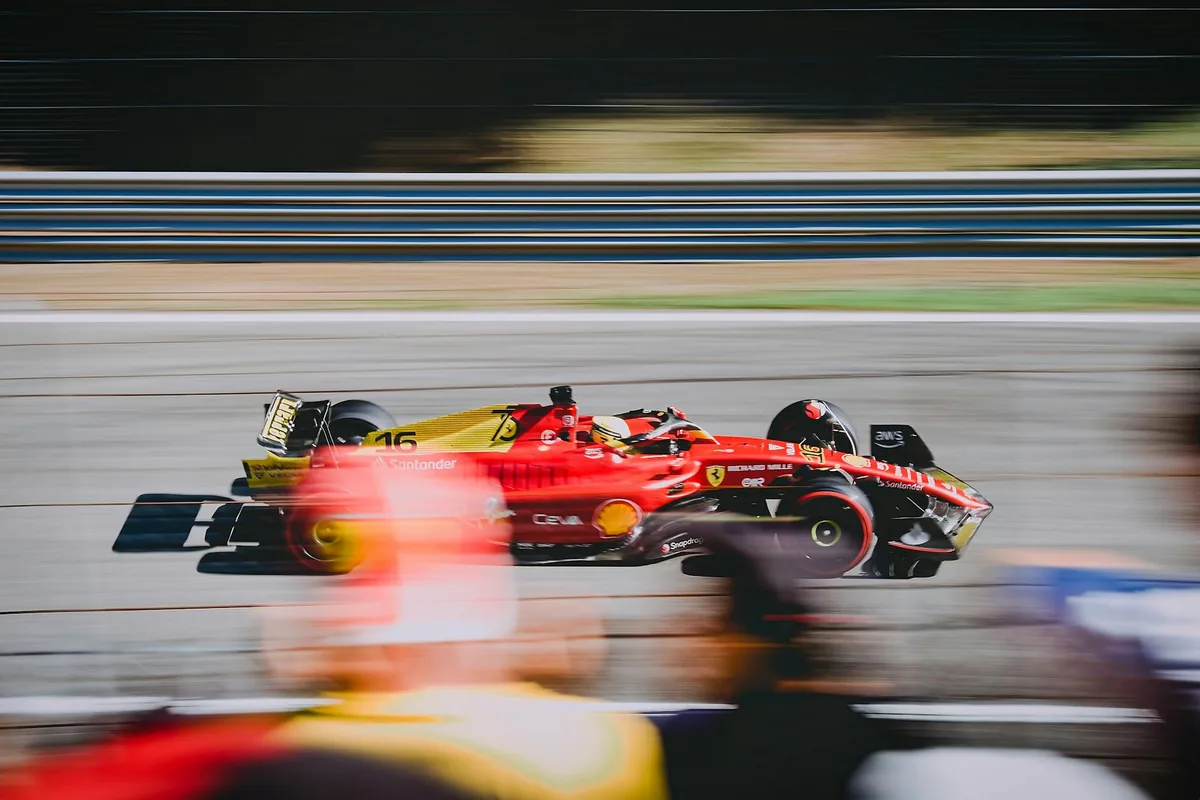
Team Radio Communications at Silverstone: The Invisible Battlefield
The roar of engines at the Silverstone Circuit is deafening, but inside the cockpit, a more subtle and critical battle is waged through the team radio. This continuous stream of communication between driver and pit wall is the central nervous system of a Grand Prix team, a complex blend of real-time strategy, technical diagnosis, and psychological management. At a high-speed, physically demanding track like Silverstone, where weather conditions can change in an instant, the clarity and precision of these exchanges often separate victory from defeat.
The Strategic Lifeline: More Than Just Pit Stops
While the most publicized radio calls involve pit stop decisions, the strategic dialogue begins long before the lights go out. Engineers and strategists model countless scenarios based on tire wear data, fuel loads, and competitor behavior. During the race, this plan is constantly stress-tested. The driver’s feedback on tire degradation through the high-speed corners like Copse and Maggotts/Becketts is invaluable. Is the rear holding on through Stowe? Is there understeer building in the complex? This sensory data allows the strategist to adjust the plan, perhaps pulling a pit window forward or extending a stint.
A critical, often overlooked, aspect is fuel management. Silverstone’s full-throttle sections demand precise fuel strategy calculations. Engineers relay target lift-and-coast points, ensuring the car makes it to the finish while losing minimal time. This constant calibration of performance versus conservation is a whispered conversation that lasts the entire race distance.
The Psychology of the Mic: Managing the Human Element
At 200+ mph, a driver’s mental state is as crucial as their car’s setup. The radio is the primary tool for psychological management. A race engineer’s tone and word choice are meticulously crafted. The goal is to transmit vital information while maintaining the driver’s focus and morale.
Calm in the Storm
When a sudden rain shower hits the Northamptonshire circuit, chaos ensues. The engineer’s voice must cut through the driver’s adrenaline with clear, calm instructions: "Box, box, for inters, box this lap." Panic is contagious; steady professionalism is reassuring. The engineer becomes the driver’s anchor to a rational world.
Motivation and Morale
During a difficult stint or when defending a position, targeted communication is key. Phrases like "Head down, you’re faster than him" or "This is your battle, you can hold him" are designed to boost confidence. Conversely, engineers must sometimes deliver hard truths—"We are losing three-tenths per lap in sector two"—without demoralizing the driver, framing it as a problem to solve together.
Dealing with Frustration
Drivers under immense physical strain and competitive pressure can express frustration over the radio. A skilled engineer listens, acknowledges the concern ("Copy, we see the issue with traction"), and redirects focus to the task ahead ("Stay with it, we are looking at it. Your job is to hit these delta times"). They filter emotional outbursts from critical technical feedback that the garage needs to hear.
Technical Diagnostics: The Driver as a Sensor
Modern F1 cars are data hubs, but the driver remains the most sophisticated sensor on board. Team radio is the channel for this qualitative data. A report of "a vibration from the front left under braking" at the end of the Wellington Straight can prompt engineers to check telemetry for brake disc issues. A complaint of inconsistent power delivery could trigger a check on the hybrid system. This real-time troubleshooting, marrying human feel with digital data, is essential for reliability, especially at a circuit that puts immense stress on braking systems and power units.
Famous Silverstone Radio Moments: Strategy and Emotion Unveiled
Silverstone has been the stage for some of F1's most iconic radio exchanges, revealing the raw nerve of competition. Lewis Hamilton’s emotional 2021 call after a controversial incident—"I was ahead going in there, man. That's dangerous driving!"—highlighted the intense pressure of a title fight at his home race. Earlier, in 2008, his engineer’s frantic, rain-soaked instruction "Lewis, you are racing everyone!" guided him to a stunning wet-weather victory. These moments, archived in fan memories and official team radio archives, show the communication channel at its most dramatic and decisive.
The Rules of Engagement: What Can and Cannot Be Said
The FIA strictly regulates radio communications to prevent teams from "driving the car from the pit wall." Since 2016, rules have been clarified to ban specific technical coaching that could diminish the driver’s skill element. Engineers cannot, for example, give detailed instructions on clutch settings at the start or complex brake balance adjustments mid-corner. This places a greater onus on pre-race briefing and the driver’s own skill. However, strategic information (pit stop windows, competitor gaps), safety information (yellow flags, weather updates), and genuine technical problem-solving remain fully permitted. This creates a delicate dance where engineers must phrase information in a regulatory-compliant yet actionable way.
The Future: Evolving Communication in the Digital Age
As technology advances, so does the communication ecosystem. While the fundamental voice link remains, it is augmented by sophisticated data overlays and predictive software. Engineers now have systems that can simulate the outcome of a pit stop in real-time before giving the final "box" command. The role of the race engineer is evolving from a voice relaying information to a conductor orchestrating a symphony of live data, strategy algorithms, and human performance. Understanding this complex interplay adds a rich layer of appreciation for any fan watching the British Grand Prix race report or experiencing the atmosphere trackside.
Team radio at Silverstone is the invisible thread connecting human courage to technical brilliance. It is where cold data meets hot passion, where strategy is forged in real-time, and where the mental fortitude of a driver is either fortified or fractured. For those listening closely, it provides the ultimate insight into the hidden battle for glory at one of motorsport’s most iconic venues. To understand the full context of this historic circuit, explore our complete guide to the Silverstone Circuit. For further technical insight into F1 communications and regulations, the official FIA website provides authoritative resources, while detailed analyses of team strategies can often be found on respected outlets like Motorsport.com.