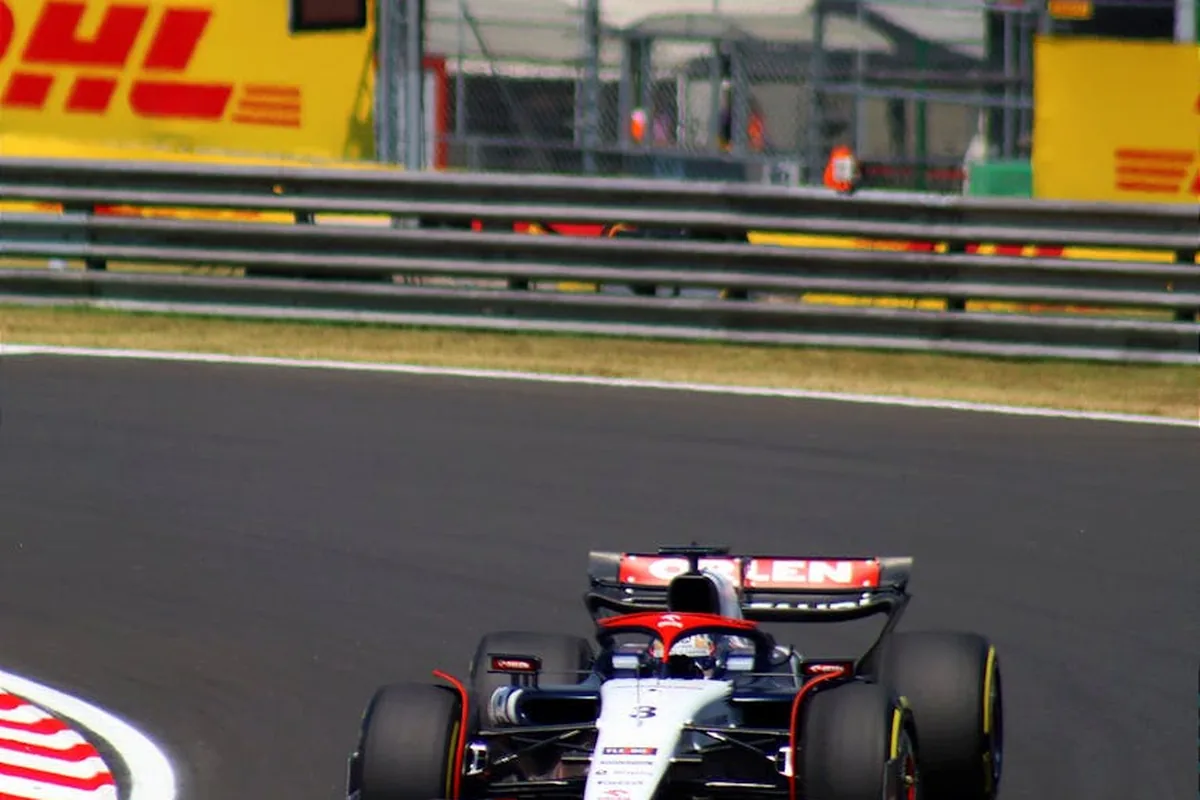
Braking Point: Analyzing Brake Systems at Silverstone
The Silverstone Circuit is a true test of a Formula 1 car’s entire performance envelope, but few components are placed under as much acute stress as the braking system. The combination of high-speed straights and a sequence of heavy, complex braking zones creates a unique and severe challenge. This analysis delves into the specific demands Silverstone places on brake systems, the engineering solutions teams deploy, and how mastering this "braking point" is often the difference between a podium finish and a points-paying position.
The Unique Demands of the Silverstone Layout
Silverstone’s modern configuration, a blend of historic sweeps and modern technical sections, is defined by its aerodynamic efficiency. Cars run with high levels of downforce, allowing for immense cornering speeds. This, paradoxically, increases the load on the brakes. When a driver approaches a corner at over 300 km/h, the kinetic energy that must be dissipated is colossal. The circuit’s layout features several critical braking events that are repeated lap after lap, leading to cumulative thermal stress.
Key heavy braking zones include the approach to the complex at Brooklands and Luffield, the hard stop into the Wellington Straight, and perhaps most famously, the braking area for the slow-speed Vale and Club complex at the end of the lap. Each of these requires maximum braking force, but with different characteristics. For a deeper understanding of the corners that define these challenges, our Silverstone Track Layout: Corner-by-Corner Analysis provides a comprehensive breakdown.
Thermal Management: The Constant Battle
The primary enemy of a brake system at Silverstone is heat. Carbon-carbon brake discs and pads operate optimally within a specific temperature window—typically between 500°C and 1000°C. Exceeding this range leads to excessive wear, brake fade (a reduction in stopping power), and in extreme cases, catastrophic failure. Silverstone’s fast, flowing nature means there are fewer opportunities for brakes to cool compared to a stop-start street circuit.
Teams must carefully design their brake cooling solutions. This involves managing the airflow through the wheel rims and onto the brake ducts. Larger duct openings channel more cooling air but create aerodynamic drag. Finding the perfect compromise for Silverstone’s mix of straights and corners is a key part of the car’s setup. This intricate balance between aerodynamics and mechanical performance is a central theme in our exploration of Silverstone Aerodynamics Setup: Technical Analysis.
Brake System Components Under Scrutiny
A modern F1 braking system is a marvel of engineering, and every component is optimized for the Silverstone challenge.
- Discs and Pads: Teams will select disc thickness and pad compounds based on predicted wear and temperature. A harder pad compound might last longer but require higher temperatures to work effectively, influencing the initial laps after a pit stop.
- Brake-by-Wire and Energy Recovery: The rear braking system is intricately linked to the car’s MGU-K (Motor Generator Unit – Kinetic). Under braking, the MGU-K harvests kinetic energy, which reduces the purely mechanical load on the rear brakes. This alters the front-to-rear brake balance, a setting drivers can adjust on the steering wheel lap-by-lap.
- Hydraulics and Pedal Feel: Consistency is king. The hydraulic system must deliver immediate and predictable pressure to the calipers. Drivers rely on nuanced feedback through the pedal to modulate braking force, especially when trail-braking into high-speed corners like Copse or Maggotts.
Strategy and Driver Technique
Brake management is not purely an engineering problem; it is a core strategic and driver skill. How a driver uses the brakes directly impacts component life and overall race strategy.
Aggressive, late braking may gain a position but can overheat the discs, leading to performance degradation later in the stint. Smoother drivers who brake slightly earlier and more progressively can preserve their brakes, which can be a decisive advantage in a close fight during the final laps. This is intrinsically linked to broader Strategic Evolution: How F1 Team Strategies Have Changed at Silverstone, where managing every car component is part of the race plan.
Furthermore, changing weather conditions dramatically alter the braking calculus. A damp track reduces braking temperatures and grip, while a sudden downpour, as Silverstone is famously known for, requires a complete recalibration. Understanding these variables is crucial, as detailed in our guide How Weather Affects Racing at Silverstone: A Complete Guide.
Evolution and Future Challenges
The braking demands at Silverstone have evolved with the circuit itself. Modifications to corner profiles and the introduction of new asphalt have changed how brakes are loaded and cooled. Historical changes to the track layout, such as the creation of the Arena section, added new, slower-speed braking zones that further test the system’s versatility. For context on these physical changes, see How Silverstone Circuit Has Changed: Major Modifications Through History.
Looking ahead, the relentless pursuit of performance and sustainability will continue to push brake technology. The integration of braking with hybrid systems will become even more sophisticated, and materials science may yield new compounds that can handle even greater thermal loads. The fundamental challenge of Silverstone, however, will remain: a circuit that rewards ultimate courage under braking while punishing any technical miscalculation.
For authoritative technical insights into modern Formula 1 brake system design and materials, the FIA's Technical Department provides regulations and context. Additionally, research into advanced carbon composites is often published by institutions like the Institution of Mechanical Engineers.
Conclusion
At Silverstone, the braking system is a performance-defining component operating at the very edge of its capabilities. Success requires a perfect symphony of advanced materials science, precise aerodynamic packaging, intelligent energy recovery software, and driver skill. Analyzing the "braking point" is therefore not just about the moment the driver presses the pedal; it is about a holistic engineering challenge that encapsulates the extreme demands of one of the world’s fastest and most demanding racing circuits. Mastering it is a non-negotiable prerequisite for victory at the British Grand Prix.