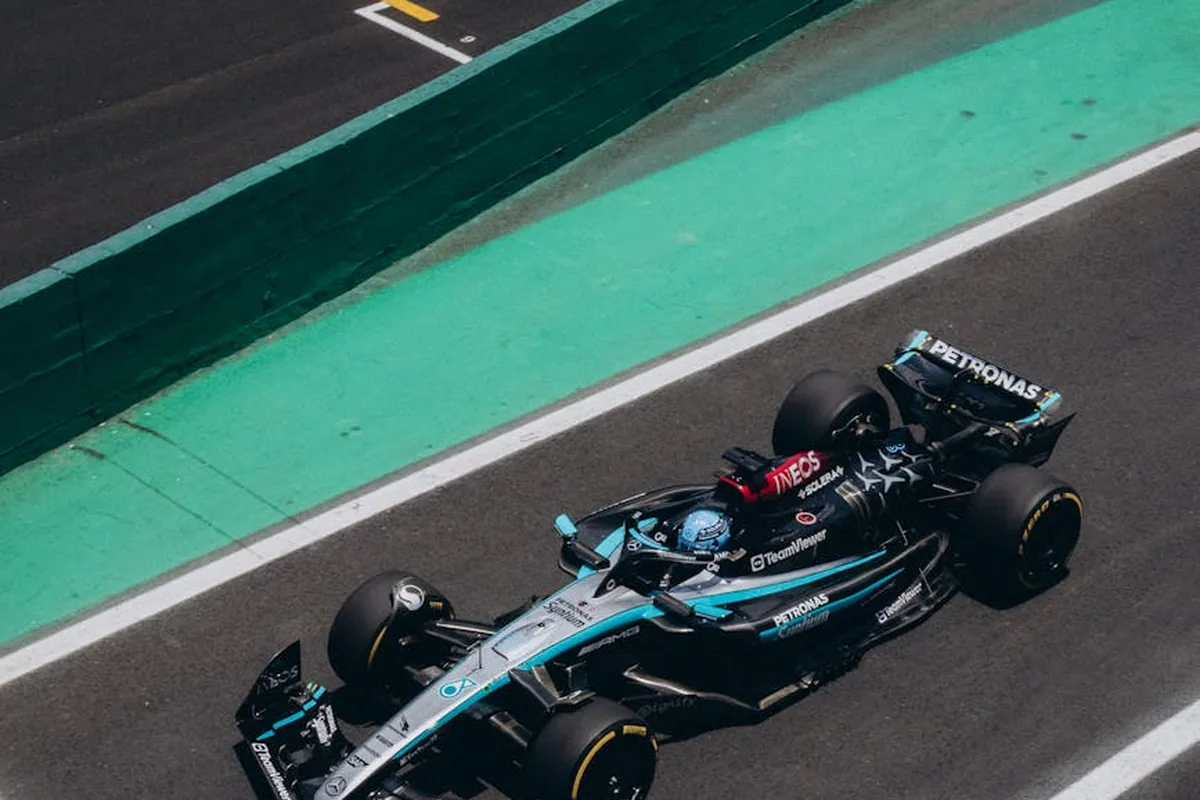
Inside Silverstone's Pit Lane: Cutting-Edge Technology & Operations
The Silverstone pit lane is the crucible of the British Grand Prix, a high-pressure theatre where races are won and lost in fractions of a second. Far more than just a row of garages, it is a nerve centre of military precision, advanced engineering, and real-time strategy. While fans in the grandstands witness the explosive speed of the cars, the true technological ballet unfolds here, out of sight for most. This is a world governed by data, where human skill and cutting-edge machinery merge to execute the perfect pit stop.
The Pit Garage: A Mobile Mission Control
Each team's garage is a temporary but supremely sophisticated headquarters. The space is meticulously organized into distinct zones: the car's service area, a wall of data screens for engineers, and a preparation zone for wheels and components. The most visible piece of technology is the timing stand, a structure housing dozens of monitors displaying live telemetry from the car—everything from tyre temperatures and brake wear to fuel flow and engine performance. Engineers analyze this data stream to make critical strategic calls during the race, often in consultation with strategists back at the factory via encrypted satellite links. The garage's design has evolved significantly, as detailed in our look at Silverstone Circuit Architecture and Design Evolution.
Precision Equipment and Tooling
Every tool is optimized for speed and reliability. High-pressure air guns, custom-designed wheel nuts, and lightweight jacks are all engineered to shave milliseconds. Equipment is laid out in identical, rehearsed positions for each crew member to eliminate any fumbling. Spare parts, from front wings to entire power units, are stored in climate-controlled trailers, ready for immediate deployment. This operational excellence is part of the broader behind-the-scenes maintenance and daily operations that keep the circuit at peak performance.
The Pit Stop: A Choreographed Symphony
A modern Formula 1 pit stop is a feat of human and machine coordination, typically completed in under two seconds. The process is broken down into micro-tasks, each assigned to a specialist.
- The Lollipop and Traffic Light System: The traditional lollipop man has been largely replaced by automated traffic light systems. The driver stops at a precise mark, and sensors trigger the sequence. A mechanic at the front holds a button; when all wheels are secured, he releases it, illuminating the green light for the driver to go.
- The Wheel Gun Technology: The pneumatic wheel gun is a marvel of engineering, capable of applying immense torque to tighten the wheel nut in a fraction of a second. Each gun is calibrated perfectly to cross-thread or damage the nut.
- The Jack System: Front and rear jack operators lift the car simultaneously the moment it stops. The jacks are lightweight yet incredibly strong, featuring quick-release mechanisms for instant drop.
- The Wheel Crew: Four mechanics (two per side) are responsible for removing and attaching wheels. Each practices their motion thousands of times to achieve flawless muscle memory.
Data Analytics and Real-Time Strategy
The pit lane is the physical interface for a vast, invisible network of data. Telemetry from the car is fed into complex algorithms that model race outcomes based on countless variables. Strategists use this data to decide the optimal moment to pit, a choice heavily influenced by weather conditions at Silverstone. Will rain arrive in ten minutes? Is a rival's tyre wear higher than predicted? This real-time analysis, explored in our article on how data analytics shapes Silverstone race strategy, turns the pit wall into a chessboard where every move is calculated.
Fuel and Tyre Management
While refuelling during the race is banned, fuel management remains critical. Engineers calculate the most efficient fuel burn to reach the end while preserving performance. Tyre strategy, however, is the most visible tactical element. Teams use infrared cameras and telemetry to monitor tyre degradation, deciding whether to "go long" on one compound or switch to another under a Safety Car. The unique demands of the track are analyzed in our Silverstone tyre strategy deep dive.
Safety and Operational Protocols
Safety in the pit lane is paramount. A strict speed limit (usually 80 km/h during practice and qualifying, 60 km/h during races) is enforced via FIA monitoring. Crew members wear fire-resistant clothing, helmets, and gloves. The pit lane itself is a controlled environment, but it operates under the circuit's overarching comprehensive security and safety measures. Furthermore, teams must adhere to strict FIA regulations governing garage equipment, fuel handling, and procedural safety to protect both personnel and drivers.
The Future of Pit Lane Technology
Innovation never stops. We are seeing increased use of artificial intelligence to predict component failures and optimize strategy. Advanced materials are making equipment lighter and stronger. There is also a growing focus on sustainability, with teams aligning their operations with broader Silverstone sustainability initiatives. Looking ahead, developments in augmented reality could provide engineers with even more immersive data overlays during pit stops.
The Silverstone pit lane exemplifies the relentless pursuit of perfection in Formula 1. It is where preparation meets opportunity, and where technology empowers human talent to achieve the impossible. For those wanting to get closer to this action, exploring a behind-the-scenes pit lane tour experience offers a unique perspective. To understand the full context of this iconic venue, our complete guide to the British Grand Prix venue provides all the essential background. The FIA's official website (fia.com) details the precise sporting regulations that govern pit lane procedure, while the Formula 1 website (formula1.com) often features technical insights into team operations.