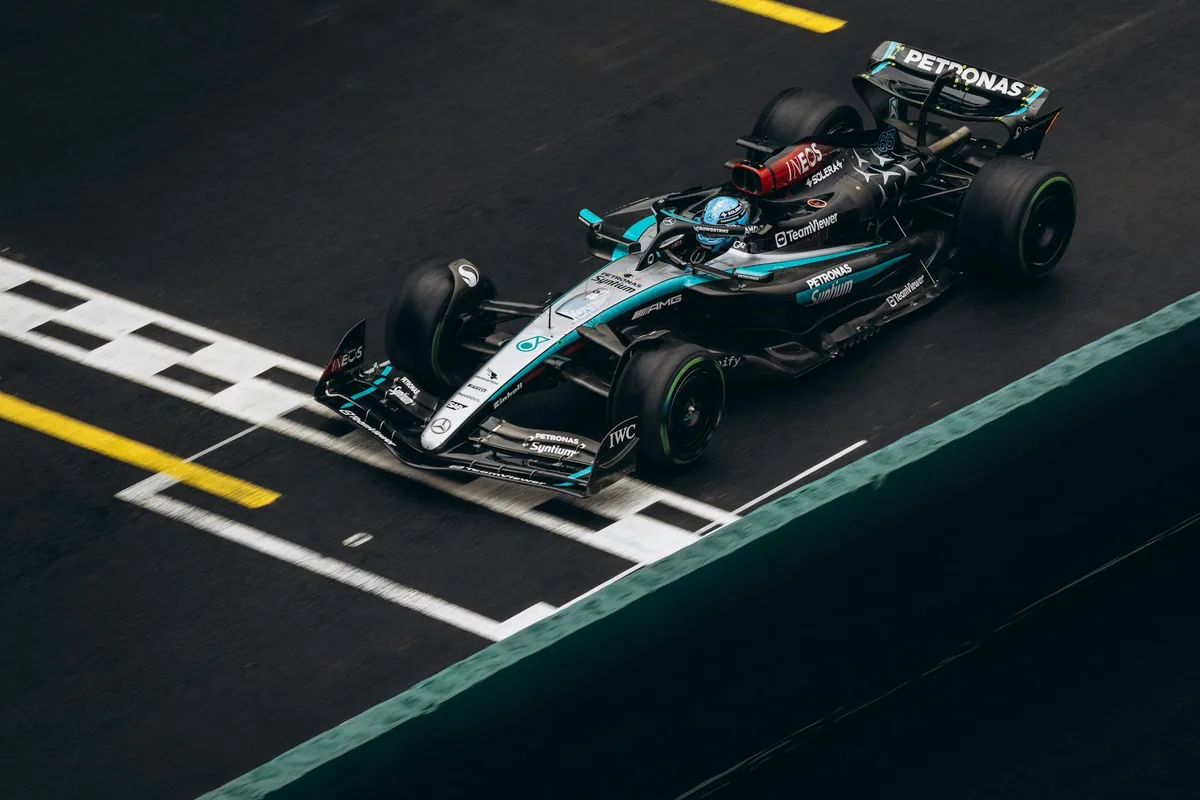
Inside Silverstone's Pit Lane: Technology and Operations
The pit lane at Silverstone Circuit is the crucible of the British Grand Prix, where races are won and lost in fractions of a second. Far more than just a row of garages, it is a hyper-specialized, technology-dense environment where precision engineering, split-second decision-making, and flawless teamwork converge. This high-pressure zone is the operational heartbeat of every Formula 1 team during a race weekend, and its evolution mirrors the sport's relentless technological advancement.
The Architecture of Speed: Pit Building and Garages
Silverstone's modern pit and paddock complex is a testament to the circuit's commitment to providing world-class facilities. The design prioritizes both operational efficiency for the teams and an enhanced spectacle for fans. Each team garage is a temporary but highly sophisticated workshop, equipped with specialized lighting, compressed air lines, data cabling, and dedicated spaces for car assembly, component storage, and strategy planning. The open-fronted design allows fans a glimpse into the intense activity, while the overhanging upper floors house team offices, hospitality units, and the media centre, creating a multi-layered hub of activity. This architectural evolution is detailed in our exploration of Silverstone Circuit Architecture and Design Evolution.
Garage Layout and Workflow
Inside a typical garage, the workflow is meticulously choreographed. The car occupies the central bay, flanked by tool cabinets and component racks. At the rear, engineers monitor vast arrays of data screens, analyzing real-time telemetry. A dedicated 'nerve centre' at the back of the garage is where the race strategists and engineers synthesize information on tire wear, competitor positions, and weather forecasts to make critical calls.
Cutting-Edge Pit Lane Technology
The technological infrastructure supporting pit lane operations is staggering. It forms a seamless digital ecosystem that connects the car on track to the engineers on the pit wall and back in the team's factory.
Real-Time Data Telemetry and Analytics
Modern F1 cars are data-generating machines, streaming over a terabyte of information during a race weekend. Hundreds of sensors monitor everything from engine temperatures and hydraulic pressures to suspension loads and tire carcass temperatures. This data is transmitted in real time to the garage, where powerful algorithms and simulation software predict performance degradation and optimal strategy windows. The role of data analytics in shaping Silverstone race strategy cannot be overstated, turning raw numbers into actionable intelligence.
The Pit Wall: The Strategic Command Centre
The pit wall is the team's frontline command post. Staffed by the Sporting Director, Race Engineer, Chief Strategist, and others, it is a bank of monitors displaying timing screens, GPS tracking maps, and direct video feeds. Communication is key; the pit wall is in constant contact with the driver via radio and coordinates directly with the garage crew for pit stops. Decisions on tire changes, which are critical given Silverstone's unique tire strategy challenges, are made here, often influenced by the unpredictable British weather.
Advanced Equipment for Peak Performance
Pit stop equipment represents the pinnacle of lightweight, robust design. High-pressure air guns for wheel nuts operate with incredible torque and speed. Jacks are engineered for instant lift and stability. The wheel guns themselves are connected to a system that confirms the nut is tight via an audio signal, all within the crew's sub-two-second target. Furthermore, teams use sophisticated laser alignment systems and floor-mounted scales to check the car's setup during any garage work, ensuring it meets the precise technical requirements for fast Silverstone laps.
The Human Element: Pit Crew Operations
Technology is nothing without human execution. The pit stop is a ballet of controlled chaos, the result of thousands of hours of practice.
Choreography of a Pit Stop
A standard four-tire change involves over 20 crew members, each with a specific role. The front and rear jack operators are the first and last to touch the car. Three-person teams per wheel (gunner, carrier, stabilizer) work in unison. The lollipop person (or modern light system) controls the car's release, while others are ready for front wing adjustments or cleaning visors. Every movement is drilled to muscle memory, with teams practicing hundreds of stops to shave off hundredths of a second.
Training and Fitness
Pit crew members are elite athletes. They undergo rigorous strength, conditioning, and reflex training. Their roles require explosive power for lifting heavy tires and equipment, immense hand-eye coordination, and the ability to perform under extreme pressure with millions of viewers watching. Their performance is a direct, measurable contribution to the race result.
Race Strategy and Decision-Making
The pit lane is the physical manifestation of race strategy. Decisions made here are based on a complex, evolving model.
- Undercut vs. Overcut: Teams calculate whether pitting earlier (undercut) to gain track position on fresh tires, or later (overcut) to extend a stint in clean air, is faster.
- Reactive Calls: Strategies are fluid. A Safety Car, like the one that famously decided the 2022 race, can trigger a mass "pit lane panic," with teams reacting instantly to switch plans.
- Weather Integration: With Silverstone's climate, strategists must integrate live weather radar and forecasts from advanced systems, like those discussed in our weather monitoring feature, to decide the optimal moment to switch from dry to wet tires or vice versa.
Safety and Regulations
Given the inherent dangers of cars entering a crowded working area at speed, pit lane safety is paramount. The FIA enforces strict regulations:
- Speed Limit: A strictly enforced 80 km/h (or 60 km/h under certain conditions) limit in the pit lane, monitored by sensors.
- Release Systems: Automated traffic light systems have largely replaced the manual lollipop to ensure a car is only released when it is safe to do so, avoiding collisions with oncoming traffic.
- Personal Protective Equipment (PPE): All crew members must wear fire-resistant clothing, helmets, and gloves. This focus on safety extends throughout the circuit, as detailed in our guide to Silverstone Circuit Safety Features.
The FIA's official sporting regulations provide the definitive framework for all pit lane procedures, governing everything from equipment specifications to penalty infringements (source: FIA Sporting Regulations).
Behind the Scenes for Fans
For spectators, the pit lane is a source of fascination. Silverstone offers fans opportunities to get closer to this world through behind-the-scenes tours and experiences, including limited pit lane walks. These access programs demystify the technology and allow fans to appreciate the scale and precision of the operation firsthand. Furthermore, the strategic drama unfolding in the pit lane is expertly narrated for broadcast, with analysts often decoding complex team radio messages, similar to the insights found in our team radio communication analysis.
In conclusion, Silverstone's pit lane is a microcosm of modern Formula 1: a fusion of cutting-edge technology, human skill, and strategic intellect. It is a dynamic theatre where preparation meets opportunity, and where the silent work of engineers and the explosive action of the pit crew directly write the story of the British Grand Prix. Its continuous development ensures Silverstone remains at the forefront of motorsport operational excellence. For a deeper look at the circuit's ongoing innovations, explore our article on the latest tech innovations at Silverstone for 2024.