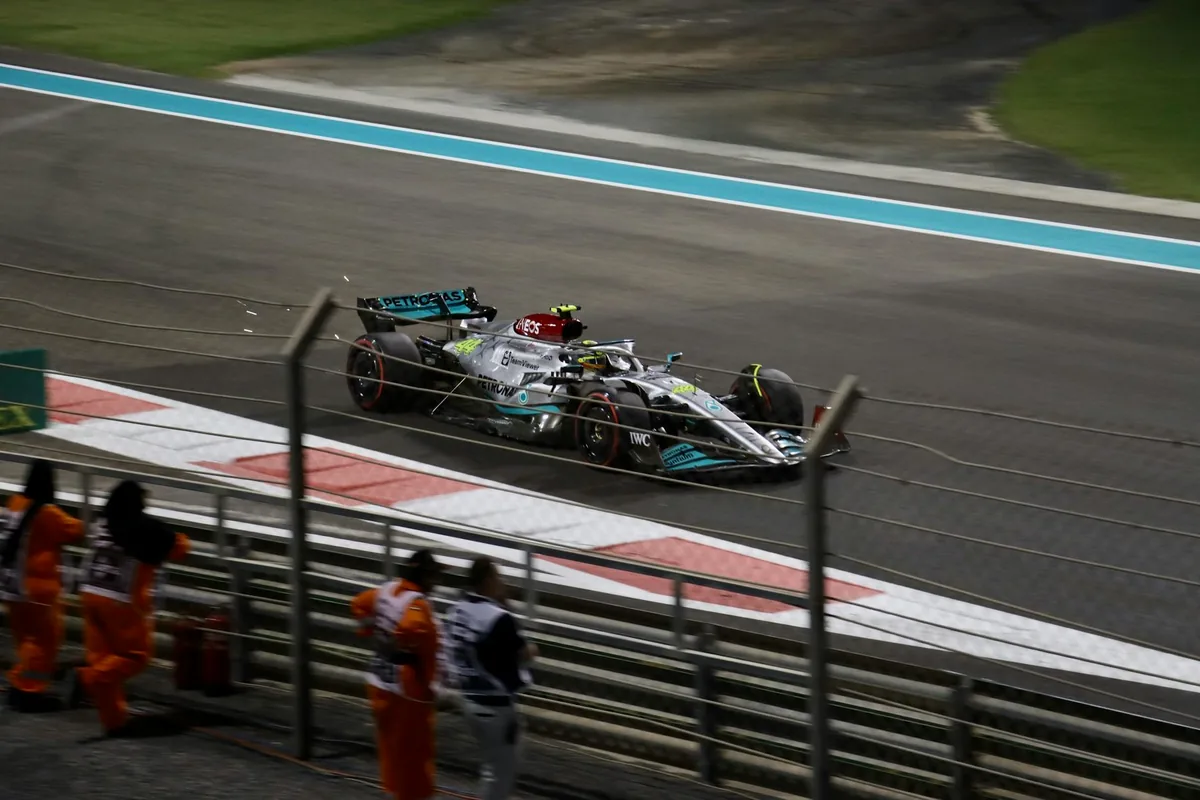
Silverstone Car Setup Guide: Technical Requirements for Fast Laps
Mastering the Silverstone Circuit demands more than just driver skill; it requires a car meticulously tuned to handle its unique blend of high-speed sweeps, punishing braking zones, and variable weather. A fast lap here is a symphony of engineering, where aerodynamic efficiency, mechanical grip, and power unit performance must be in perfect harmony. This guide breaks down the critical technical requirements for an optimal Silverstone car setup, providing insights into the trade-offs and priorities that define success at the home of British motorsport.
Understanding the Track's Character
Before diving into setup specifics, appreciating Silverstone's fundamental nature is crucial. The circuit is a power-hungry, flowing ribbon of asphalt that places immense emphasis on aerodynamic downforce and high-speed stability. With long, full-throttle sections like the Hangar Straight and Wellington Straight, coupled with demanding corners such as Copse, Maggotts, and Becketts, the car must be planted and predictable. For a deeper understanding of each challenge, our Silverstone Track Layout: Corner-by-Corner Analysis provides essential context. The track's evolution has also shaped its demands; learn about its transformation in our article on How Silverstone Circuit Has Changed: Major Modifications Through History.
Aerodynamics: The Downforce Dilemma
Aerodynamic configuration is the single most critical decision for Silverstone. Teams face a classic compromise: maximum downforce for cornering speed versus reduced drag for straight-line velocity.
Wing Settings
A medium-to-high downforce setup is typically the baseline. The rear wing will carry more angle than at a pure power circuit like Monza, but less than at a tight, twisty track like Monaco. The objective is to generate enough downforce to carry immense speed through the complex of Maggotts, Becketts, and Chapel without sacrificing too much time on the straights where DRS is active. The front wing is finely balanced against the rear to ensure a neutral, responsive car through high-speed direction changes.
Floor and Diffuser
Underbody aerodynamics are paramount. Maintaining a consistent ride height and platform through Silverstone's high-speed corners and over its kerbs is essential for maximizing the ground effect. Suspension stiffness and heave damper settings are tuned to keep the floor sealed to the track, ensuring stable downforce. Any loss of aerodynamic seal here results in a dramatic loss of grip.
Suspension and Mechanical Grip
While aerodynamics dominate, mechanical setup cannot be ignored, especially for traction out of slower corners and stability under braking.
Ride Height and Stiffness
The car is run as low as safely possible to benefit the underfloor aerodynamics, but Silverstone's kerbs and occasional bumps must be considered. Suspension is generally stiff to minimize pitch and roll, maintaining a stable aerodynamic platform. However, some compliance is needed to allow the car to ride the kerbs at corners like the exit of Club, which can be used to straighten the line and carry more speed. For a dedicated look at this complex balancing act, see our Riding the Curves: Suspension Setup Analysis for Silverstone.
Anti-Roll Bars and Dampers
Front anti-roll bars tend to be stiffer to promote sharp turn-in, particularly into Copse and Stowe. Dampers are set to handle the rapid weight transfers through the Becketts complex, controlling the car's attitude mid-corner. The goal is a car that reacts immediately to steering inputs without becoming nervous or unpredictable.
Braking and Power Unit Demands
Silverstone is a severe test for both brakes and the hybrid power unit, though in different ways.
Brake Cooling and Durability
While there are fewer heavy braking events than at a street circuit, the stops that do exist are among the most demanding in Formula 1. Slowing from over 320 km/h for the Village complex and the final turn, Club, generates enormous thermal energy. Brake cooling is aggressively managed, often with larger duct openings, to prevent fade over a race stint. Pad and disc material choice is a critical strategic decision. The technical challenges are explored further in our Brake System Analysis: Demands of Silverstone Circuit.
Engine and Energy Recovery
With over 70% of a lap spent at full throttle, the internal combustion engine and hybrid systems are under sustained load. Power unit deployment strategy is optimized for the key acceleration zones: out of Club onto the pit straight, out of Chapel onto the Hangar Straight, and out of Stowe. Managing the Electrical Energy (ES) and Heat Energy (ES) harvest and deployment over the lap is a complex software task. Efficient energy management can make a significant difference in lap time and is a cornerstone of Fuel Strategy at Silverstone: Efficiency vs Performance.
Tyre Management and Strategy
Silverstone's high-energy corners are famously tyre-eating. The lateral forces through Maggotts and Becketts can degrade the rubber quickly, making strategy pivotal.
The ideal setup seeks to induce gentle tyre slip rather than aggressive scrubbing. Suspension geometry and camber settings are optimized to keep the tyre's contact patch as stable as possible under heavy load. Teams work closely with tyre suppliers like Pirelli to understand the thermal operating windows of each compound. As explored in our analysis on Pirelli's official F1 portal, Silverstone is a key test for tyre construction and durability. The track surface itself plays a role; its grip level and abrasiveness have evolved, a topic covered in Track Surface Evolution: How Silverstone's Asphalt Has Changed Racing.
The Wild Card: Weather and Environmental Factors
No Silverstone setup is complete without a contingency for the famously changeable British weather. A car set up for a dry, cool track will behave very differently in the rain or strong winds.
Wind direction is a particularly subtle but critical factor at Silverstone. A crosswind through the high-speed corners can destabilize the car, requiring adjustments to mechanical balance or even driver technique. Teams rely on advanced meteorological data, but the unpredictable conditions mean setup choices are often a compromise. For a comprehensive look at this variable, read How Weather Conditions Affect Racing at Silverstone Circuit. Furthermore, understanding the circuit's broader environmental approach is insightful, as detailed by the FIA's sustainability initiatives, which influence long-term circuit and technical regulations.
Conclusion: The Quest for Balance
The perfect Silverstone car setup is an elusive target, a constantly moving balance between downforce and drag, stiffness and compliance, aggression and preservation. It is a technical puzzle solved not just in the factory but through real-time analysis in practice sessions. Every adjustment to the front wing flap has a consequence in the final sector, and every change to brake bias affects traction. Ultimately, the fastest lap comes from a car that gives the driver the confidence to attack the circuit's legendary corners, a machine precisely honed for the unique, thrilling challenge that is Silverstone.