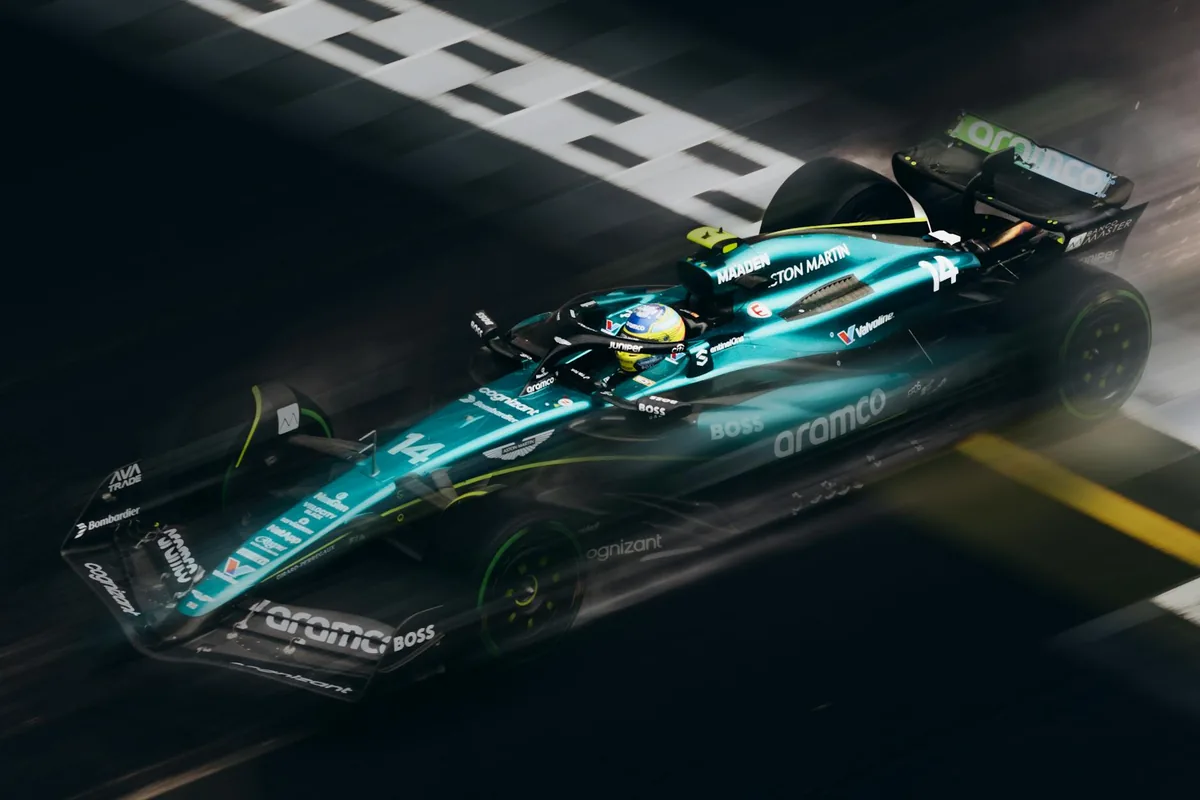
Brake System Analysis: Demands of Silverstone Circuit
The Silverstone Circuit is a true test of a Formula 1 car's entire performance envelope, but few components are placed under as much acute stress as the braking system. While the track is famed for its high-speed sweeps, the sequence of heavy braking zones that punctuate the lap creates a unique and severe challenge for brake materials, cooling, and driver confidence. A successful brake system at Silverstone must master the delicate balance between ultimate stopping power and thermal management, a task that directly influences race strategy and final results.
The Anatomy of a Silverstone Braking Zone
To understand the brake demands, one must first examine the specific corners where drivers are on the absolute limit of deceleration. The current Silverstone track layout features several critical braking events that define lap time and overtaking opportunities.
Stowe Corner (Turn 15)
Following the flat-out run from Chapel through the Hangar Straight, drivers must shed immense speed for the right-hander of Stowe. Braking from over 330 km/h (205 mph) to around 130 km/h (80 mph) in a matter of seconds subjects the carbon-carbon brake discs and pads to temperatures that can exceed 1,000°C. The load on the system here is arguably the highest on the calendar, demanding exceptional bite and stability.
Vale and Club Complex (Turns 16-18)
Immediately after Stowe, the circuit flows into the Vale and Club chicane. This is a combined braking zone where drivers cannot fully release the brakes between corners, maintaining thermal pressure on the system. The car must be settled and rotated while still under heavy deceleration, testing the brake-by-wire system's precision and the driver's feel for the threshold.
The Wellington Straight into Brooklands (Turn 6)
Another prime overtaking spot, the approach to Brooklands sees drivers braking hard from high speed while often wheel-to-wheel with a competitor. This adds a layer of strategic complexity, as a following car may lose front downforce and brake cooling, increasing the risk of lock-ups or overheating. The overtaking opportunities at Silverstone are intrinsically linked to braking performance.
Key Technical Challenges for Brake Systems
Teams arrive at Silverstone with a specific focus on brake cooling and material specification. The primary challenges are thermal.
Heat Management and Fade Resistance
The repeated high-energy braking events leave little time for the brakes to cool down naturally. Teams will run maximum cooling ducts to channel air to the brake discs and calipers. However, this comes with an aerodynamic penalty in the form of increased drag. Engineers must find the optimal compromise: enough cooling to prevent fade over a race stint, but not so much that straight-line speed is overly compromised on a track where it is crucial. The wind conditions at Silverstone can further complicate this, affecting cooling airflow.
Material and Disc Specification
Brake disc and pad wear is significant. Teams typically select a harder, more wear-resistant carbon compound for Silverstone compared to a street circuit like Monaco, but it must still provide consistent performance across the temperature window. Disc thickness is monitored closely; excessive wear can lead to failure. The high speeds also mean the brakes are not used as frequently per minute of lap time as at slower tracks, but the energy per application is far greater.
Hydraulic and Electronic Systems Pressure
The modern brake-by-wire system, which integrates with the Energy Recovery System (ERS) for rear braking, must handle immense hydraulic pressures. Consistency in pedal feel is vital for driver confidence, especially during a late-race defensive move or attack. Any degradation in the hydraulic system can lead to a spongy pedal and a critical loss of performance.
Strategic Implications and Race Weekend Considerations
Brake performance doesn't exist in a vacuum; it directly shapes race strategy and car setup.
Impact on Tyre Strategy
Brake temperature management is closely linked to tyre management. Excessive brake temperature can radiate heat into the wheel rim and, consequently, the tyre, potentially causing overheating and graining on the rubber. This is a key consideration for the tyre strategy at Silverstone, where managing tyre life across stints is often the key to victory. Teams may adjust brake bias (the front-to-rear braking balance) to protect the rear tyres, especially in cooler conditions.
Fuel Load and Brake Wear
At the start of the race, when the car is heaviest with fuel, the brakes are under the greatest strain. Engineers model brake wear meticulously, and a driver managing a brake issue may need to alter their driving style, brake earlier, or even make an extra pit stop. This interacts with the overall fuel strategy at Silverstone, where efficiency in high-speed corners is also paramount.
Setup and Driver Feedback
During practice sessions, drivers provide constant feedback on brake performance. Comments on initial bite, progression, and consistency under long pedal application are critical for engineers finalizing cooling levels and brake bias settings. A poor brake setup can ruin a driver's rhythm through the high-speed corners like Copse and Maggotts, as confidence on the pedal affects confidence on the throttle.
Evolution and Comparison with Other Circuits
Silverstone's brake demands are unique. When compared to a street circuit like Baku, which has more frequent but lower-energy stops, Silverstone presents fewer but more severe thermal spikes. Compared to Spa-Francorchamps, another high-speed track, Silverstone's braking zones are more concentrated in the second half of the lap, creating a different thermal cycle. The circuit's evolution, detailed in our look at how Silverstone has changed, has consistently emphasized these high-speed characteristics, maintaining its status as a brake killer.
Furthermore, the advanced safety features at Silverstone, including extensive run-off areas at heavy braking zones, provide a critical margin for error should a brake failure occur.
Conclusion: The Decisive Margin
At the Silverstone Circuit, victory is often found in the delicate management of extreme forces. The braking system is a pivotal player in this theatre. A team that successfully optimizes cooling, material specification, and system integration gains a tangible advantage—allowing their driver to brake later, more consistently, and with greater confidence throughout the grueling race distance. In a sport where margins are measured in hundredths of a second, mastering the immense demands placed on the brakes at Silverstone is not just an engineering challenge; it is a prerequisite for standing on the podium. For a deeper technical dive into vehicle dynamics at the track, explore resources from the Fédération Internationale de l'Automobile (FIA) and engineering analyses from institutions like the Institution of Mechanical Engineers.