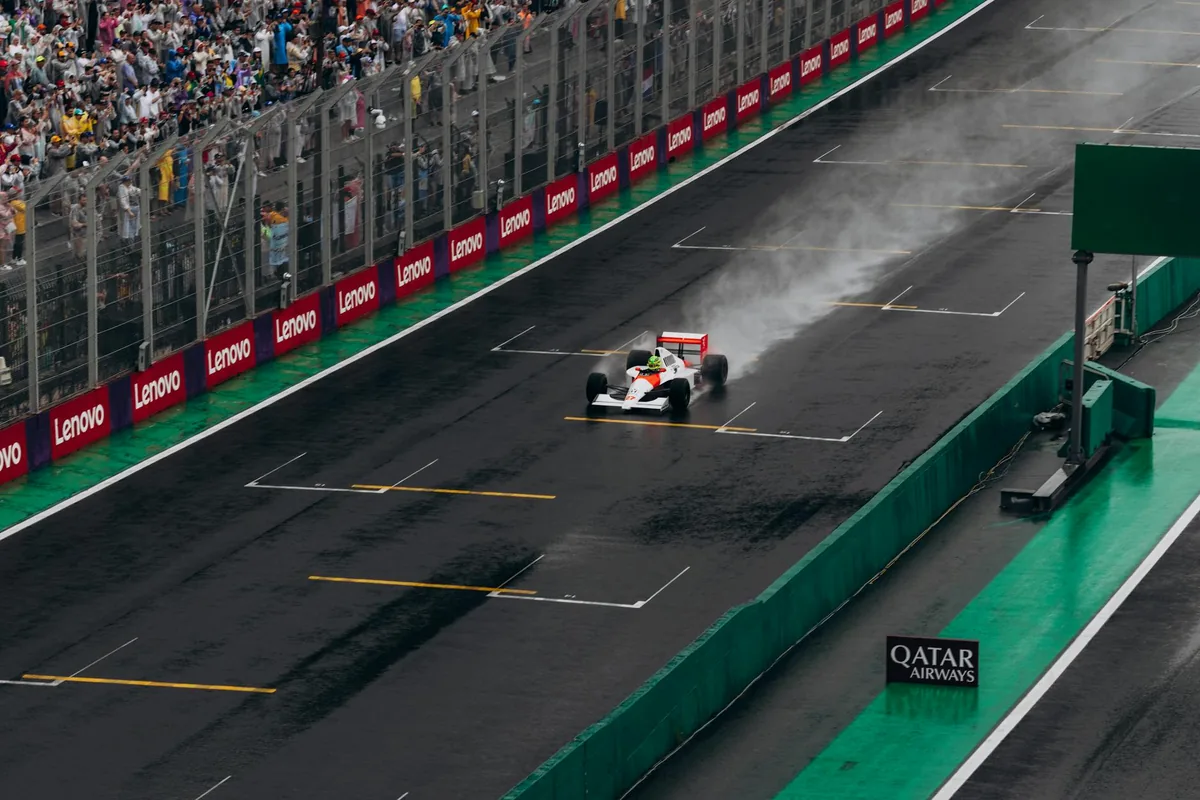
How Weather Conditions Affect Racing at Silverstone Circuit
The British Grand Prix at Silverstone is renowned for its high-speed corners, passionate fans, and, perhaps most famously, its unpredictable weather. The circuit's location in the heart of England makes it a crucible where meteorological conditions can transform a race from a strategic procession into a chaotic spectacle in moments. Understanding how rain, wind, and temperature influence car performance, driver skill, and team strategy is key to appreciating the unique challenge of racing at this historic venue.
The Silverstone Climate: A Recipe for Unpredictability
Silverstone’s position on a former Royal Air Force base in Northamptonshire leaves it exposed to the prevailing westerly winds and Atlantic weather systems. This results in a climate characterized by rapid change. It’s not uncommon for a session to start under bright sunshine and end in a downpour, or for one part of the circuit to be wet while another remains dry. This microclimate effect forces teams to maintain constant vigilance, with engineers and strategists monitoring multiple weather radars and data feeds. The circuit’s flat topography offers little natural shelter, allowing wind and rain to sweep across the vast expanse of tarmac unimpeded, amplifying their impact on the delicate aerodynamics of a modern Formula 1 car.
Rain: The Ultimate Game Changer
Wet weather is the most dramatic and visible weather factor at Silverstone. Rain doesn't just make the track slippery; it completely recalibrates the race. The first drops create a treacherous "green" track, washing away rubber and drastically reducing grip. Drivers must navigate a fine line between maintaining temperature in their tires and avoiding a catastrophic off. Pitting for intermediate or full wet tires becomes a high-stakes gamble, as a wrong call can lose a minute or more. Iconic corners like Becketts and Chapel become even more demanding in the wet, testing driver courage and car control to the limit. Historic races, such as the 1998 and 2008 events, are etched into F1 lore precisely because of the chaos and mastery displayed in rainy conditions. For a deeper look at these memorable moments, explore our article on When Rain Reigns: Most Memorable Rain-Affected British Grand Prix Races.
Standing Water and Aquaplaning
Heavy rain poses the specific danger of aquaplaning, where a tire loses contact with the road surface by gliding on a film of water. Silverstone’s high-speed nature means cars can hit aquaplaning speeds quickly, especially through flat-out sections like the run from Copse to Maggotts. The circuit’s drainage and track surface composition are critical in mitigating this risk, but during intense storms, red flags are often inevitable for safety.
Wind: The Invisible Hand on Car Performance
While less obvious to television viewers, wind is a constant and critical variable at Silverstone. Gusty conditions can affect a car’s stability in several profound ways:
- Crosswinds: Sections like the Wellington Straight and the run down to Brooklands are often buffeted by strong crosswinds. This can push a car offline, requiring constant steering correction and making it exceptionally difficult for drivers to place their cars precisely at the limit.
- Aerodynamic Disruption: F1 cars are essentially inverted wings, generating downforce to stick to the track. Sudden wind gusts can disrupt the airflow over the front and rear wings, causing a momentary loss of downforce. This is particularly dangerous in high-speed corners like Copse or Stowe, where stability is paramount.
- Strategic Head/Tailwinds: A headwind on a straight increases drag and reduces top speed, while a tailwind has the opposite effect. Teams must account for this when calculating gear ratios and DRS effectiveness. A headwind into a heavy braking zone can also aid cooling but may unsettle the car.
For a technical deep dive into this subject, read our Wind Analysis: How Silverstone's Conditions Affect Car Performance.
Temperature: Managing Tires and Engine Performance
Track and ambient temperature influence nearly every aspect of car setup and race strategy. Silverstone’s often cool and cloudy summer weather presents a specific challenge.
- Tire Management: The working range of modern Pirelli tires is precise. Cool track temperatures (below 30°C) can make it difficult to generate sufficient tire temperature, leading to graining and a lack of grip, especially on the harder compound tires. Conversely, a rare hot day at Silverstone can cause thermal degradation, forcing teams into additional pit stops. Mastering the tyre strategy at Silverstone is often the difference between victory and defeat.
- Engine and Brake Cooling: Cooler ambient air is denser, which can provide a minor power boost for internal combustion engines. However, teams must also manage brake temperatures. Silverstone is a circuit with high brake energy demands, and cooler weather can sometimes make it harder to keep brakes in their optimal operating window, requiring adjustments to duct sizes.
Team Strategy and Driver Skill in Variable Conditions
The capricious weather elevates the importance of strategic acumen and driver adaptability. Teams must process real-time data from their cars, weather radars, and even spotters around the circuit to make pivotal calls on tire changes. The driver becomes a crucial sensor, reporting on grip levels in different sectors. The ability to "switch on" intermediate tires quickly or to judge the perfect moment to switch to slicks on a drying track is a rare skill that separates the good from the great. Legends like Lewis Hamilton have built part of their legacy through masterful performances in mixed conditions at their home race. The pressure of executing a perfect strategy in changing weather is immense, as detailed in our analysis of Team Radio Strategy Insights from Silverstone Races.
Circuit Preparedness and Safety Protocols
Silverstone Circuit management is highly experienced in dealing with meteorological challenges. Advanced weather monitoring systems are deployed around the venue to provide accurate, localized forecasts. The circuit’s infrastructure, from drainage to the modern asphalt mix, is designed to cope with the British climate. Furthermore, comprehensive weather contingency plans and procedures are in place to ensure the safety of drivers, teams, and the hundreds of thousands of fans in attendance. This includes everything from timing the deployment of safety cars to managing spectator areas during severe weather.
Conclusion
Weather is not merely a backdrop at the Silverstone Circuit; it is an active, dynamic participant in the British Grand Prix. It demands respect, preparation, and split-second adaptation from every individual involved, from the strategist on the pit wall to the driver wrestling with a twitchy car through Becketts in a crosswind. This ever-present variable ensures that no two races at Silverstone are ever the same, cementing its reputation as one of the most demanding and thrilling tests in Formula 1. For those planning to experience it firsthand, being prepared for all conditions is essential, as outlined in our Complete Guide to Silverstone Weather Preparedness.
To understand more about the venue's evolution in handling these elements, explore the history of How Silverstone Circuit Has Changed Through Major Modifications. For authoritative real-time weather analysis used by teams and officials, resources like the UK Met Office and the FIA's own meteorological partners are critical.