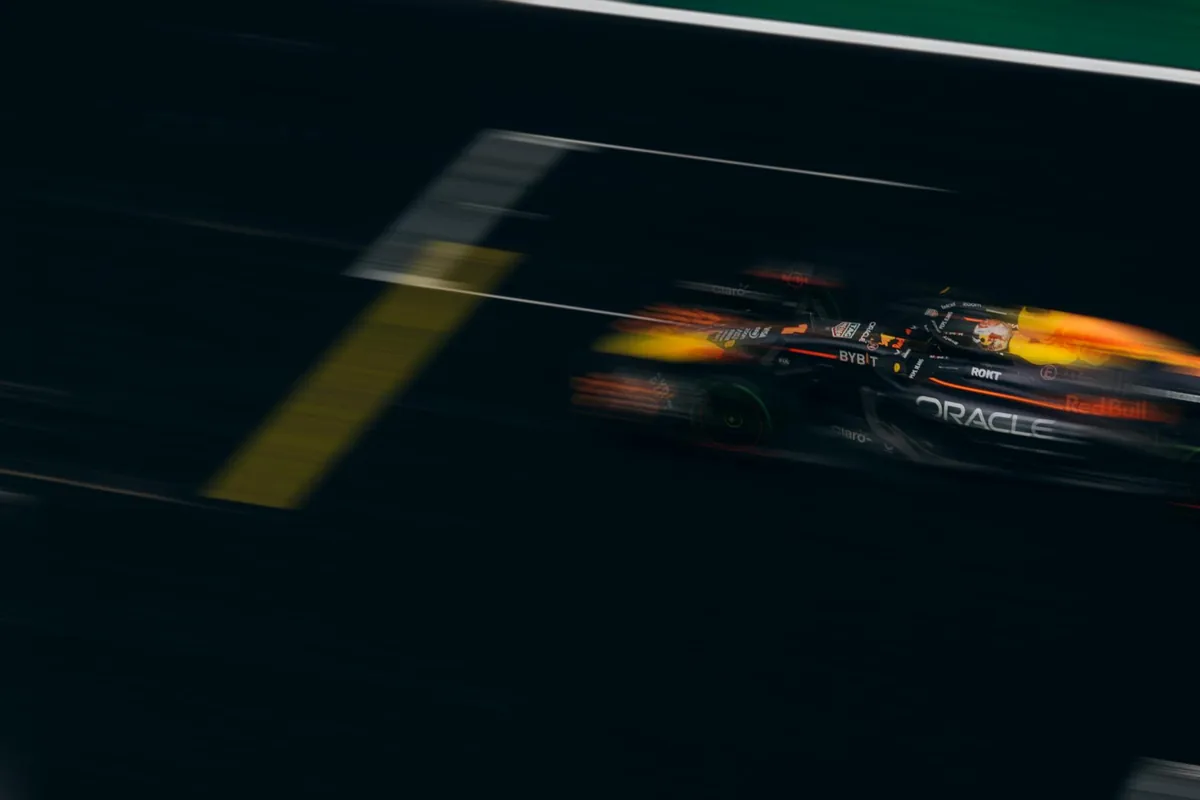
Fuel Strategy at Silverstone: The Delicate Dance Between Efficiency and Performance
Fuel strategy in Formula 1 is a high-stakes chess game, and at the Silverstone Circuit, it becomes a defining element of race success. The fast, flowing nature of the track presents a unique challenge: drivers demand maximum engine performance to carry speed through legendary corners like Maggots, Becketts, and Chapel, yet they must do so while managing a finite and strictly regulated fuel load. Every kilogram of fuel saved is a kilogram of weight not carried, translating directly into lap time. This creates the central tension of Silverstone fuel strategy—the relentless push-pull between the need for outright performance and the imperative of efficiency.
Understanding the Technical Constraints
Modern F1 power units are marvels of thermal efficiency, but they operate under stringent regulations. The FIA mandates a maximum fuel load of 110 kilograms for a race, and a maximum fuel flow rate of 100 kg/hour. This framework forces teams into a constant calculation. At Silverstone, with its long, full-throttle sections like the Hangar Straight and Wellington Straight, the engine is under immense load. Teams must map their engines to deliver power in a way that meets the performance demands of the lap while staying within the flow limit and ensuring the fuel lasts to the checkered flag. This involves intricate pre-race simulations that model hundreds of scenarios, balancing lift-and-coast phases against flat-out qualifying-style laps.
The Impact of Silverstone's Layout on Fuel Consumption
The Silverstone track layout is particularly fuel-hungry. Its combination of high-speed corners requires drivers to maintain throttle application for extended periods, preventing the engine from having significant "rest" phases found on more stop-start circuits. The aerodynamic setup, typically running high downforce to cope with the rapid directional changes, increases drag on the straights, further raising fuel consumption. Consequently, fuel usage per lap at Silverstone is among the highest on the calendar. Teams must build a strategic buffer for safety cars, unexpected overtaking battles, or defending position, all of which burn extra fuel. A detailed understanding of the overtaking hotspots at Silverstone is crucial for predicting where these fuel-intensive battles will occur.
The Strategic Dichotomy: Qualifying vs. The Race
The fuel strategy narrative splits into two distinct chapters: Saturday qualifying and Sunday's race. In qualifying, the focus is unashamedly on pure performance. Engines are tuned to deliver maximum power for single-lap bursts, with fuel efficiency a secondary concern. The car is run with the minimum fuel needed to complete the out-lap, the flying lap, and return to the pits. For the race, the paradigm shifts completely. The car starts with a significant portion of its 110kg maximum, and every decision from lap one is influenced by the need to reach the end.
Drivers are constantly fed information via team radio on their fuel delta—the difference between their current consumption and the target rate needed to finish. This leads to the subtle art of "lift and coast," where drivers lift off the throttle early before braking points, saving minuscule but critical amounts of fuel each lap. The skill lies in doing this without losing too much time to rivals. The strategic interplay with tyre strategy at Silverstone is also vital, as managing fuel can affect tyre temperatures and degradation, creating a complex multi-variable optimization problem for the pit wall.
External Factors: Weather and Safety Cars
No fuel strategy is crafted in a vacuum, especially at Silverstone, where weather conditions are famously variable. A wet or cool race reduces fuel consumption as engine cooling is more efficient and tyre management often becomes the limiting factor. Conversely, a hot race increases consumption. The greatest strategic joker, however, is the Safety Car. A timely Safety Car period allows cars to circulate at reduced speed, saving enormous amounts of fuel. This can transform a race, enabling drivers to push harder in the subsequent laps or extend a stint strategically. Teams must be agile, ready to recalibrate their entire fuel and pit stop plan in an instant based on real-time track events.
Data Analytics: The Invisible Strategist
Behind every fuel number on a driver's steering wheel display is a vast operation of data analytics. Teams use real-time telemetry to monitor fuel flow, engine parameters, and lap times with millisecond precision. This data is fed into complex algorithms that constantly update the optimal race strategy. The engineers in the garage and at the team's factory create fuel consumption models that account for track temperature, car set-up, and competitor behavior. As explored in our analysis of how data analytics shapes Silverstone race strategy, this digital edge is what separates a good strategy from a race-winning one. It allows teams to move from reactive fuel saving to predictive energy management.
The Future: Sustainable Fuels and Continued Efficiency
The pursuit of fuel efficiency at Silverstone and beyond is taking on a new dimension with Formula 1's drive towards sustainability. The sport has already introduced E10 fuel (containing 10% renewable ethanol) and is committed to moving to 100% sustainable fuels in the near future. This shift aligns with broader sustainability initiatives at Silverstone. The technological innovation driven by the fuel efficiency battle in F1 has a direct road-relevance, accelerating the development of more efficient internal combustion engines and hybrid systems for consumer vehicles. The lessons learned in managing energy at 200 mph around Copse Corner ultimately contribute to greener automotive technology.
For further technical reading on F1 power unit regulations and energy recovery systems, the FIA's official technical regulations provide authoritative detail. Additionally, research into sustainable fuel development is showcased by organizations like Aramco, a key player in this space.
Conclusion
Fuel strategy at the British Grand Prix is not a mere background calculation; it is a dynamic, decisive performance parameter. At Silverstone, where the circuit punishes any lapse in commitment, the ability to balance the knife-edge of maximum performance with disciplined fuel efficiency is a hallmark of championship-winning teams and drivers. It is a silent, relentless race within the race, won through a combination of cutting-edge engineering, real-time data analysis, and the disciplined right foot of the world's best drivers. As the cars blast through the historic circuit, every drop of fuel is a precious commodity in the quest for victory.