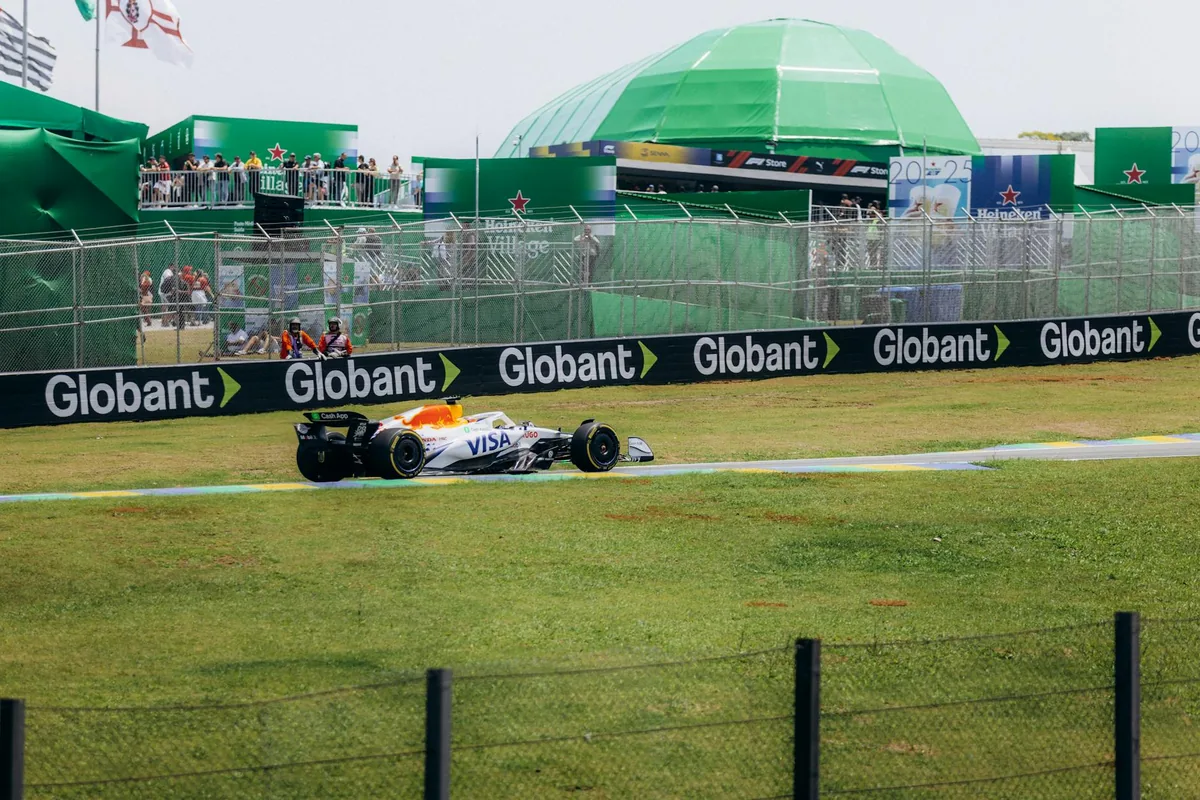
Aston Martin's Silverstone Comeback: Performance Analysis
The roar of a British racing engine returning to the forefront at the British Grand Prix is a narrative that stirs the soul of Formula 1. For Aston Martin Aramco Cognizant Formula One Team, their modern resurgence represents one of the most compelling storylines in recent Silverstone history. After years in the midfield wilderness, the team's dramatic performance leap, particularly evident on home soil, demands a deep dive. This analysis examines the key factors behind Aston Martin's Silverstone comeback, evaluating their car's performance, strategic execution, and the unique challenges of the circuit that have played to their strengths.
The Foundation: A Car Built for Silverstone's Demands
Aston Martin's AMR23, and its subsequent evolutions, proved to be a machine remarkably well-suited to the characteristics of the Silverstone Circuit. The team’s performance is intrinsically linked to the car's fundamental design philosophy, which aligns with the venue's specific requirements.
Aerodynamic Efficiency and High-Speed Corners
Silverstone is a circuit defined by its relentless sequence of high and medium-speed corners like Maggots, Becketts, and Chapel. Success here hinges on a car with exceptional aerodynamic efficiency, stability, and downforce. The Aston Martin, conceived under the technical leadership of Dan Fallows, demonstrated a strong aerodynamic platform that allowed its drivers to carry immense speed through these complex sequences. This high-speed cornering prowess was the cornerstone of their competitive lap times, often placing them tantalizingly close to the outright front runners. The car's ability to manage aerodynamic load through Silverstone's unique corners was a critical differentiator.
Mechanical Grip and Platform Stability
Beyond pure aerodynamics, Silverstone's bumpy surface and aggressive kerbs require a compliant yet stable mechanical setup. The AMR23 showed a commendable ability to absorb the circuit's imperfections while providing a predictable platform. This allowed drivers Fernando Alonso and Lance Stroll to attack the kerbs with confidence, maximizing track limits without unsettling the car. This mechanical sympathy translated to consistent tyre management and the ability to push lap after lap, a vital component for both qualifying trim and race stints.
Strategic Execution at the Home Grand Prix
Raw car performance is only half the battle. At Silverstone, where weather conditions can change in an instant and pit stop windows are tight, strategic acuity is paramount. Aston Martin's race operations have shown marked improvement, leveraging their car's traits to optimal effect.
Tyre Management and Race Pace
A key indicator of Aston Martin's progress has been their race pace, which often matched their qualifying performance. The car's balanced nature reduced tyre degradation, allowing for longer, competitive stints. This opened up strategic flexibility, enabling the team to consider alternative pit stop strategies at Silverstone compared to their rivals. In races where managing tyre wear over the high-energy Silverstone asphalt was crucial, this characteristic became a significant asset, often allowing them to leapfrog competitors through the pit phase or defend position effectively in the final stint.
In-Race Adaptability
The team has demonstrated an improved capacity to react to in-race variables, such as Safety Car periods or sudden weather shifts—a common occurrence at the British Grand Prix. Quick decision-making on pit wall, coupled with precise execution from the pit crew under Silverstone's intense scrutiny, has been essential in converting car potential into solid points finishes. This operational sharpness, honed over the season, is particularly visible at their home race where pressure is at its peak.
The Driver Factor: Alonso's Expertise and Home Soil Pressure
The human element of Aston Martin's Silverstone revival cannot be overstated. The arrival of two-time world champion Fernando Alonso brought a surge of experience, feedback, and sheer performance that elevated the entire project.
Alonso's mastery of racecraft and his ability to extract every millisecond from a car have been perfectly showcased at Silverstone's challenging layout. His nuanced understanding of overtaking opportunities and defensive lines has yielded spectacular results. Furthermore, his detailed technical feedback has been instrumental in guiding the car's development direction, making it more competitive at circuits like Silverstone. For Lance Stroll, the home race presents a unique challenge. Performing under the spotlight of the British fans adds an extra layer of pressure that all home drivers face at Silverstone. His performances have been integral to the team's constructors' championship points, contributing to the overall comeback narrative.
Historical Context and Future Trajectory
Aston Martin's modern success at Silverstone is a poignant chapter in a long British racing heritage. The team, in its various guises, has experienced glory and hardship at the circuit. This resurgence feels like a homecoming, resonating deeply with fans who remember the iconic days of British racing green competing at the front. To understand this legacy, one can explore the complete history of the British Grand Prix and the role British teams have played.
Looking forward, the challenge is one of consolidation and further progression. The competitive landscape of Formula 1 is relentless. Maintaining a position at the sharp end requires continuous development. The team's new factory and wind tunnel facilities are designed to provide the technological edge needed to sustain this comeback. Their ability to develop the car in-season and address any weaknesses will be tested at every Grand Prix, but Silverstone will always be the benchmark where their home-grown progress is most visibly measured.
Conclusion: A Comeback Forged on Home Asphalt
Aston Martin's Silverstone comeback is a multifaceted achievement. It is the result of a well-conceived car that excels in high-speed aerodynamic efficiency, a sharp and adaptable strategy team, and the galvanizing influence of world-class driving talent. Their performance at the British Grand Prix is more than just a points haul; it is a statement of intent and a powerful connection to their national racing identity. While the fight at the very front remains fiercely contested, Aston Martin has re-established itself as a serious force. Their journey, closely watched by the passionate Silverstone crowd, adds a rich and compelling layer to the ongoing saga of the Formula 1 World Championship. As the team continues to evolve, their performances at their home circuit will remain the most telling indicator of their true standing in the sport's elite. For further insights into the team's operational side, the official Aston Martin F1 website provides detailed team updates and technical features.