British Grand Prix: The Complete History from 1926 to Present
The British Grand Prix stands as one of motorsport's most revered institutions, a cornerstone of the Formula 1 World Championship and a race steeped in heritage, drama, and innovation. Its story is not just of a single circuit, but of a nation's enduring passion for speed, evolving from the early days of Brooklands to its modern home at the iconic Silverstone Circuit. This is the complete history of a race that has witnessed the birth of the World Championship, legendary rivalries, and countless iconic moments.
The Early Years: Brooklands and the Roaring Twenties
The inaugural British Grand Prix was held in 1926 at the Brooklands circuit in Surrey, a banked concrete bowl that was a marvel of its age. The race was won by the French team of Louis Wagner and Robert Sénéchal in a Delage, setting a precedent for international competition. While Brooklands hosted the event again in 1927, the race then entered a period of dormancy, not held again until after World War II. These early contests, however, cemented the idea of a premier British motor race, laying the groundwork for what was to come.
Post-War Rebirth and the Dawn of Formula One
Following the Second World War, Britain sought to re-establish its sporting calendar. The Royal Automobile Club (RAC) identified a suitable location: the former Royal Air Force bomber station at Silverstone in Northamptonshire. Using the perimeter roads of the airfield, a simple yet fast circuit was laid out. On May 13, 1950, Silverstone hosted the very first round of the newly inaugurated FIA Formula One World Championship. The 1950 British Grand Prix was won by Alfa Romeo's Giuseppe Farina, who would go on to become the sport's first World Champion. This moment forever linked Silverstone and the British Grand Prix to the genesis of Formula One as we know it.
The Nomadic Era: Sharing the Spotlight
For several decades, the British Grand Prix did not have a permanent home. In a unique arrangement, the race alternated between Silverstone and two other legendary British circuits: Aintree (1955, 1957, 1959, 1961, 1962) and Brands Hatch (1964, 1966, 1968, 1970, 1972, 1974, 1976, 1978). This period created a rich tapestry of history, with each venue offering distinct challenges. Aintree, home to the Grand National horse race, saw Stirling Moss's famous win for Vanwall in 1957, a landmark victory for British machinery. Brands Hatch, with its undulating, technical layout, hosted epic battles, including Jim Clark's masterclasses and James Hunt's dramatic victory in 1977. For a deeper look at this rotating history, explore our article on British Grand Prix Venues: From Brooklands to Silverstone.
Return to Silverstone: Establishing a Permanent Home
By the early 1980s, the need for significant commercial investment and safety upgrades led to the decision to settle the British Grand Prix at a single venue. Silverstone, with more space for expansion, was chosen as the permanent host from 1987 onwards. This began a new chapter focused on modernizing the facility to meet the growing demands of Formula One. The circuit underwent numerous major modifications through history, transforming from a flat, ultra-fast airfield track into a more technical and safer modern circuit, while striving to retain its essential high-speed character.
Modern Eras and Iconic Moments
The permanent Silverstone era has been defined by legendary drivers, technological revolutions, and unforgettable drama. The late 80s and 90s saw the titanic battles between Ayrton Senna and Alain Prost, Nigel Mansell's emotional home victory in 1992, and Michael Schumacher's dominance and controversy, including his 1998 win in the pit lane and his 1999 leg-breaking crash. The 21st century ushered in new heroes, most notably Lewis Hamilton. His record-breaking eight victories, often in front of a sea of Union Jacks, have defined the modern spectacle. Races like the 2008 monsoon, the 2013 tyre-failure drama, and the 2021 wheel-to-wheel clash between Hamilton and Max Verstappen have added to the race's rich legacy of iconic moments in history.
Silverstone Today: A Modern Racing Colossus
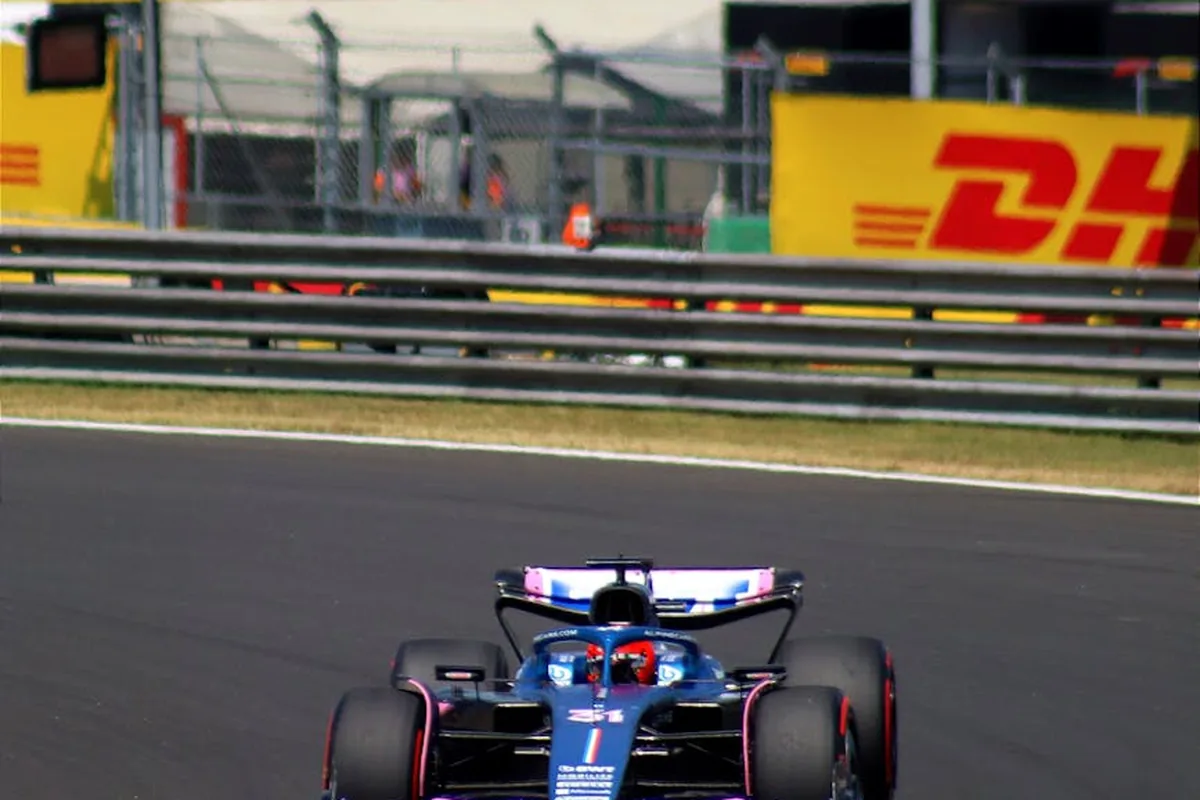
Today, the British Grand Prix at Silverstone is a benchmark for Formula 1 events. The circuit is revered by drivers for its demanding, high-speed sweeps like Maggots, Becketts, and Chapel, a sequence that tests a car's aerodynamic limits to the maximum. A detailed corner-by-corner analysis reveals why it remains one of the ultimate driver's challenges. Off the track, Silverstone has evolved into a world-class venue, with extensive grandstands and facilities offering fans unparalleled views and amenities. The circuit is also at the forefront of FIA safety standards and is pioneering sustainability initiatives in motorsport.
Weather: The Unpredictable X-Factor
No history of the British Grand Prix is complete without acknowledging the profound impact of the British climate. Silverstone's weather is famously capricious, often serving as a race-defining variable. Sudden rain showers have created some of the most dramatic and memorable races, showcasing the skill of 'rain masters' and turning strategy on its head. Understanding how weather affects racing at Silverstone is key to appreciating the full challenge faced by teams and drivers, adding a layer of unpredictability that has shaped the event's history for decades.
A Legacy Unmatched
From the concrete banks of Brooklands to the state-of-the-art Arena at Silverstone, the British Grand Prix has been a constant thread through the history of motorsport. It has crowned champions, forged rivalries, and provided a stage for some of the sport's most heroic performances. As the home of the first ever World Championship race, it carries a unique mantle of history. Each July, the roar of engines at Silverstone is not just the sound of a contemporary Grand Prix; it is the echo of nearly a century of racing heritage, a living history that continues to be written with every lap.