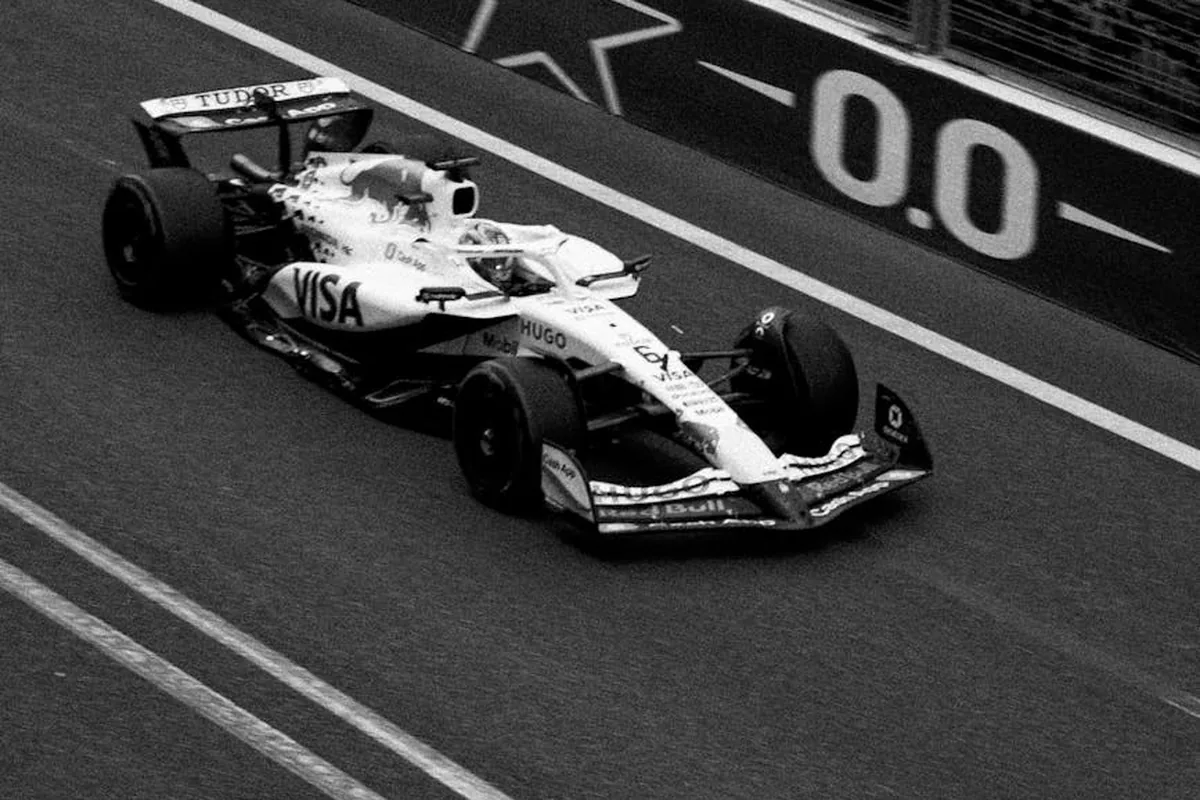
Ultimate Photography Guide for Silverstone Grand Prix
Capturing the speed, drama, and atmosphere of the British Grand Prix at Silverstone is a thrilling challenge for any photographer. Whether you're a seasoned pro with a telephoto lens or a passionate fan with a smartphone, this guide provides the essential tips, locations, and techniques to help you bring home stunning images from one of the world's most iconic racing circuits.
Essential Gear for Silverstone Photography
The right equipment can make a significant difference in your results. While professional gear offers flexibility, great shots are possible with more modest setups.
Camera Bodies and Lenses
A DSLR or mirrorless camera with interchangeable lenses provides the most control. A versatile zoom lens, such as a 70-200mm f/2.8, is arguably the perfect workhorse for Silverstone, offering enough reach for on-track action and flexibility for wider shots. For capturing detail in the pits or distant corners, a 100-400mm or similar telephoto zoom is invaluable. Don't forget a standard zoom (24-70mm) for environmental shots, crowd scenes, and the vibrant art installations and exhibitions at Silverstone Circuit.
Support and Accessories
A monopod is highly recommended. It stabilises heavy lenses for sharper panning shots, is easy to manoeuvre in crowded grandstands, and is less restrictive than a tripod (which is often prohibited in spectator areas). Pack plenty of memory cards and batteries—shooting in continuous burst mode drains power quickly. A polarising filter can help reduce glare from car bodywork and windscreens, while a lens cloth is essential for the circuit's famous dust and occasional unpredictable weather at Silverstone.
Mastering the Technique: Panning and Settings
The key to dynamic racing photography is conveying a sense of speed. This is achieved through the technique of panning.
Set your camera to Shutter Priority (Tv or S) mode. Start with a shutter speed between 1/125th and 1/250th of a second. As you track the car smoothly through your viewfinder, press the shutter while continuing the motion. This keeps the car relatively sharp while blurring the background and wheels into streaks of motion. Use continuous autofocus (AI-Servo or AF-C) and burst mode to increase your chances of a perfect shot. Practice on support races to hone your timing before the F1 sessions.
Best Photography Locations Around the Circuit
Your vantage point defines your photography. Silverstone offers diverse perspectives, each with unique challenges and rewards.
Grandstand Views
Grandstands offer elevated, unobstructed views. For dramatic cornering shots, consider Becketts Complex, where cars navigate a series of high-speed direction changes. The grandstands at Copse Corner capture cars at incredible speed at the start of the lap, while Stowe Corner (particularly the inside) is a classic spot for overtaking attempts. Our complete guide to Silverstone grandstands provides detailed insights into sightlines and amenities at each location.
General Admission Areas
General Admission (GA) provides freedom to explore. Popular GA spots include the banking at Luffield, offering a view of the complex of slow corners, and the areas around Wellington Straight, where you can shoot cars head-on as they approach Brooklands. Arrive early on race day to secure a prime spot at the fence. Remember, the unique track surface and kerbs at Silverstone can add interesting texture and colour to your foregrounds.
Capturing More Than Just Cars
The Silverstone Grand Prix is a full sensory experience. Tell the complete story with your lens.
Wander the fan zones to capture the colour and passion of the supporters. During quieter moments, focus on the details: a mechanic's intense focus, the intricate details of a tyre, or the reflection in a driver's visor. The pre-race grid walk and podium celebrations are moments of high emotion. For a deeper understanding of the venue's context, explore our complete guide to the British Grand Prix venue.
Practical Tips and Etiquette
Respect and preparation ensure a great day for you and fellow fans.
- Check the Rules: Always review the circuit's latest photography policy regarding lens sizes and commercial use. Professional monopods are usually fine; large tripods often are not.
- Protect Your Gear: Weather can change rapidly. Bring waterproof covers or plastic bags. Sunscreen for you and a lens hood to prevent flare are also wise.
- Be Considerate: When shooting from popular spots, take your shot and then crouch down so those behind you can also see. Never extend a selfie stick or obstruct pathways.
- Learn the Schedule: Study the weekend timetable. Practice sessions, qualifying, and the race itself offer different opportunities. Support races are less crowded and perfect for experimentation.
For technical insights into how teams capture data, which can inspire your own angles, the official Formula 1 website offers behind-the-scenes features. Furthermore, renowned photography resource Digital Photography School has excellent tutorials on advanced panning and sports photography techniques.
Post-Processing Your Silverstone Shots
Editing can elevate your images. Use software like Adobe Lightroom or Luminar to fine-tune exposure, boost contrast, and adjust colours to make the vibrant liveries pop. Cropping can improve composition, removing distracting elements to focus on the subject. A subtle increase in clarity or sharpening can enhance details on the car. The goal is to reflect the energy you felt trackside, not to create an unrealistic image.
Photographing the British Grand Prix is about anticipation, timing, and immersing yourself in the event. By planning your locations, mastering a few key techniques, and respecting the shared experience, you'll return home with a powerful visual record of your Silverstone adventure. Now, charge those batteries, pack your gear, and get ready to capture history.