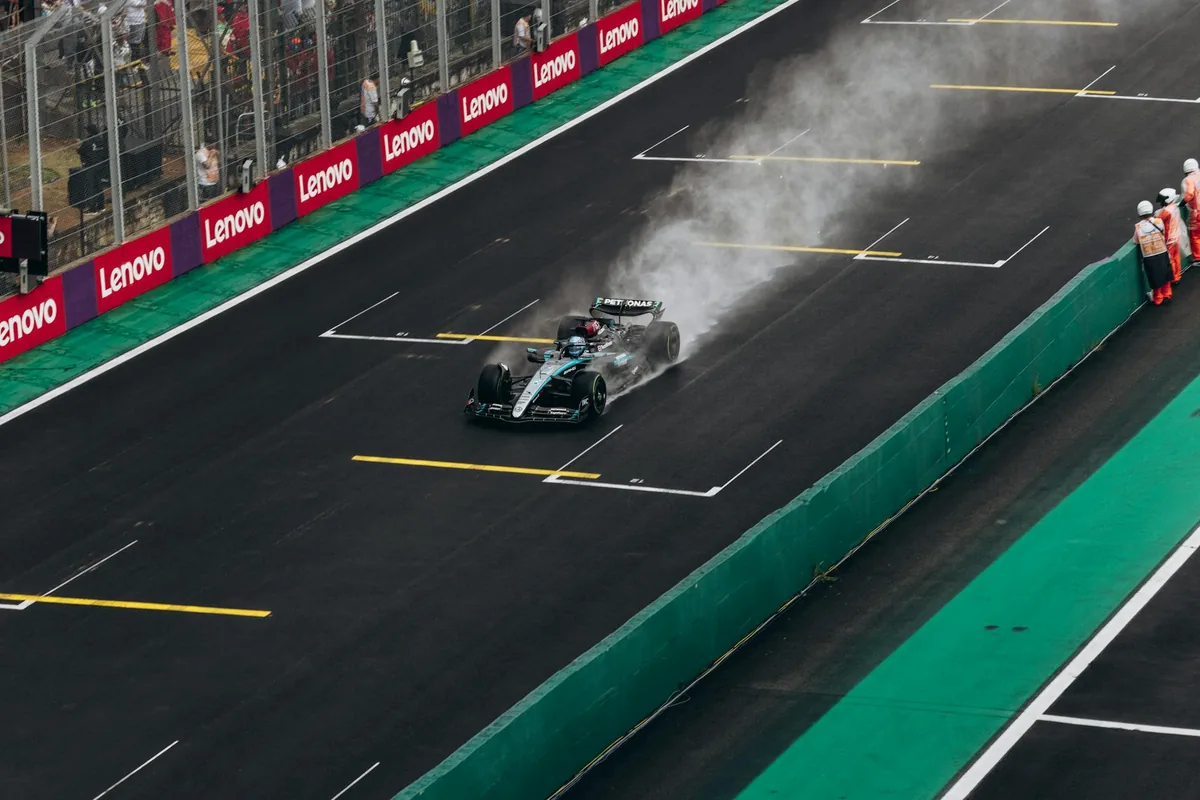
Weather Impact Analysis: How Conditions Affect Silverstone Races
The British Grand Prix at Silverstone is as famous for its unpredictable weather as it is for its high-speed corners. The circuit’s exposed location on the Northamptonshire plains makes it a unique meteorological battleground, where conditions can change within a single lap. Understanding the impact of weather is not just for spectators packing their umbrellas; it is a fundamental variable that dictates race strategy, car setup, and ultimately, the winner. This analysis breaks down how rain, wind, and temperature converge to shape the drama at one of Formula 1's most historic venues.
The Silverstone Climate: A Recipe for Unpredictability
Silverstone’s weather is notoriously capricious, a characteristic deeply woven into the fabric of the British Grand Prix. The circuit’s relatively flat topography and lack of significant windbreaks mean it is fully exposed to Atlantic weather systems. It is not uncommon to experience bright sunshine, sudden heavy rain, and strong winds all within the span of a race weekend. This variability forces teams to prepare for every scenario, making the Silverstone tyre strategy one of the most complex on the calendar. The local microclimate can even see one part of the track wet while another remains dry, a nightmare for engineers and a golden opportunity for daring drivers.
Rain: The Great Equalizer and Chaos Agent
Wet weather is the single most transformative condition at Silverstone. Rain dramatically alters grip levels, visibility, and race dynamics, often leading to the most memorable and chaotic grands prix.
Track Characteristics in the Wet
Silverstone’s modern, smooth asphalt offers good drainage, but its immense speeds and specific cornering loads create unique challenges. Puddles tend to form in the braking zones for heavy-load corners like Stowe and Vale, and along the pit straight. The Silverstone track layout, with its long, sweeping curves, becomes exceptionally treacherous as drivers battle aquaplaning. Historical moments, like the downpour during the 2022 race, showcase how quickly conditions can deteriorate and flip the competitive order.
Strategic Implications
A wet race turns the pit wall into a high-stakes gambling hall. The decision of when to switch from wet tyres to intermediates, or vice versa, can win or lose the race. Teams rely on a network of weather spotters around the circuit and real-time radar data. The penalty for a wrong call is severe, as track position is often sacrificed. For a deeper look at historic weather-affected races, explore our feature on When Rain Reigns: Most Memorable Rain-Affected British Grand Prix Races.
Wind: The Invisible Hand on Car Performance
Often underestimated by fans, wind is a critical and constant factor at Silverstone. Gusty conditions can affect car stability, top speed, and driver confidence more than any other circuit.
- Crosswinds: The most disruptive type, particularly through the high-speed Maggotts-Becketts-Chapel complex. A strong crosswind can unsettle the car mid-corner, requiring constant steering correction and increasing the risk of a loss of control.
- Headwinds and Tailwinds: These directly impact straight-line speed and braking points. A headwind down the Wellington Straight increases downforce and reduces top speed, while a tailwind has the opposite effect, making braking for Brooklands corner even more demanding.
- Setup Compromises: Teams must make aerodynamic compromises to handle the windy conditions, often running slightly higher downforce levels than pure lap time would dictate for stability. This intricate dance with the air is a key part of the Silverstone aerodynamics setup.
Temperature: Governing Tyre Behaviour and Degradation
Track and ambient temperature are the primary governors of tyre performance. Silverstone’s combination of high-energy corners and variable UK summer temperatures creates a delicate balancing act.
Cool temperatures (below 20°C) make it difficult for tyres, particularly the harder compounds, to reach their optimal operating window. This leads to graining and a lack of grip, especially in the early laps. Conversely, a hot track (above 30°C) accelerates thermal degradation, causing tyres to overheat and "go off" quickly. The ideal is a warm, consistent temperature that allows drivers to push while managing wear. Teams spend the practice sessions building a detailed thermal model of the circuit to predict these effects, a core component of their fuel strategy and race planning.
How Teams and Drivers Adapt
Success at Silverstone requires mastery of these elements. Drivers like Lewis Hamilton, with his record Silverstone wins, have shown exceptional skill in changing conditions, finding grip where others cannot. Teams leverage vast amounts of historical and real-time data. The UK Met Office, which provides specialized forecasting for events, is a crucial outbound resource for the circuit and teams. Furthermore, the circuit itself has invested in resilience; learn about the Silverstone Circuit weather contingency plans and procedures that ensure events can proceed safely.
From an engineering perspective, setups are tailored for versatility. Suspension is tuned to handle both the kerbs of Copse and the potential for a wet track, while brake cooling is optimized for both cold, wet runs and hot, dry stints. This comprehensive preparation is part of the circuit's enduring challenge, detailed in our look at Silverstone Circuit: Engineering Marvels Behind the Scenes.
Conclusion: Embracing the Uncertainty
The weather at Silverstone is not merely an obstacle; it is an integral character in the British Grand Prix narrative. It tests the very limits of driver skill, team strategy, and engineering adaptability. This inherent unpredictability is what makes a Silverstone victory so prestigious—it demands excellence in every condition. While teams now have more data than ever, the Northamptonshire skies guarantee that the race will never be a purely predictable affair. For fans, this means the promise of drama, surprise, and the true spirit of Formula 1 racing at one of its most iconic homes. To understand how these conditions fit into the larger event, see our British Grand Prix weekend schedule and complete timetable guide.