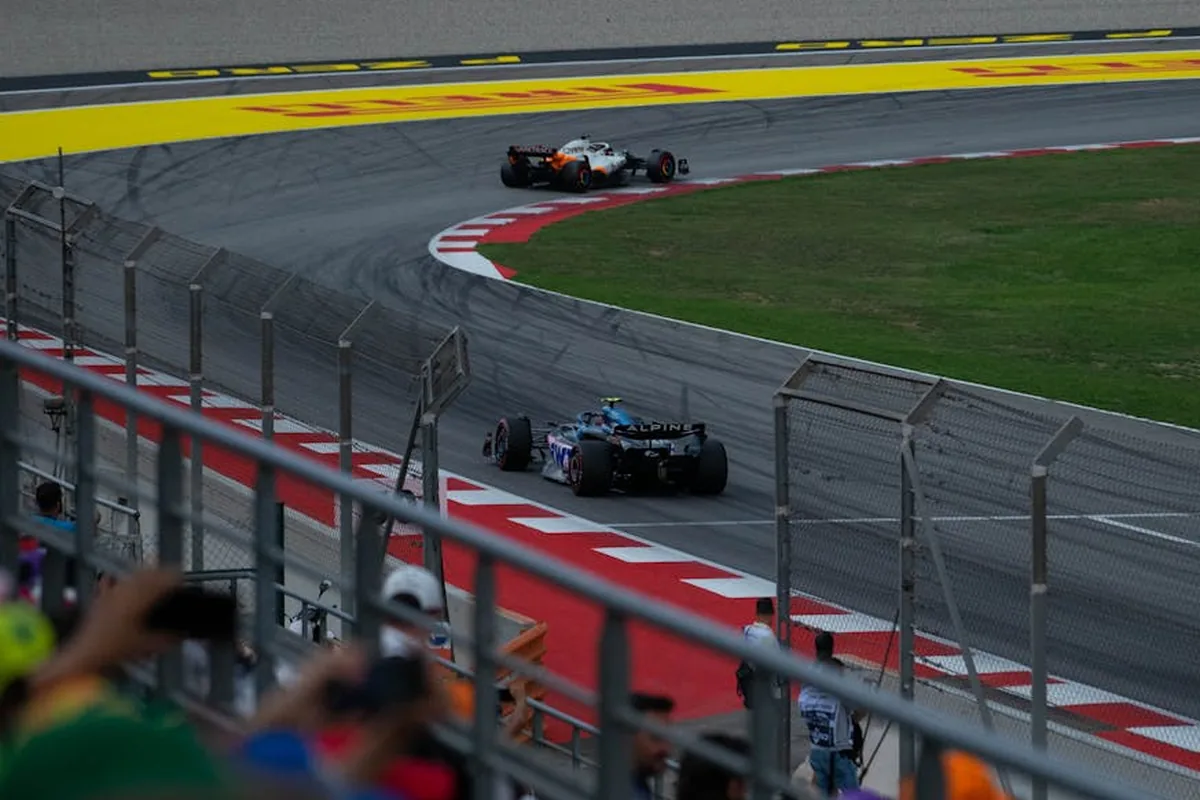
Silverstone Tyre Strategy: The Ultimate Pirelli Puzzle
Tyre strategy at the British Grand Prix is a high-speed chess match played out on one of Formula 1's most demanding circuits. Silverstone's unique combination of high-speed corners, abrasive asphalt, and unpredictable British weather creates a complex puzzle for teams to solve. The correct tyre choice and pit stop timing can be the difference between a podium finish and a points-scoring disappointment, making strategic foresight as critical as outright car pace.
Understanding the Tyre Compounds at Silverstone
Pirelli, Formula 1's sole tyre supplier, typically brings its three hardest compound allocations to Silverstone: C1 (hard), C2 (medium), and C3 (soft). This selection is a direct response to the immense lateral forces generated through corners like Copse, Maggotts, and Becketts. These forces, combined with the circuit's renowned abrasive surface, lead to significant tyre wear and energy input. The hard compound offers durability for longer stints but at the cost of initial grip and warm-up time. The soft compound provides peak performance for qualifying and short runs but degrades rapidly. The medium tyre often becomes the crucial race tyre, offering the best compromise between performance and longevity.
Key Factors Influencing Tyre Wear and Performance
Several circuit-specific characteristics dramatically impact tyre life and strategy at Silverstone.
High-Speed Cornering Loads
Silverstone is a circuit defined by its sweeping, high-speed corners. A car spends nearly 70% of a lap at full throttle, placing enormous lateral load on the tyres, particularly the front-left. This sustained stress accelerates wear and increases tyre temperatures, forcing teams to manage pace carefully to prevent overheating and graining.
Abrasive Track Surface
The modern asphalt at Silverstone is intentionally rough to promote drainage and grip in wet conditions. However, this abrasiveness accelerates tyre degradation. Teams must constantly monitor tread wear, as performance can drop off a "cliff" once a certain wear threshold is passed. For a deeper look at the track's composition, read our analysis of the Silverstone Track Surface.
Unpredictable Weather
Perhaps the most famous variable is the British weather. A bright, sunny race can quickly become a wet-weather lottery, turning a one-stop plan into a three-stop scramble for intermediate or wet tyres. Strategic flexibility is paramount. Understanding this dynamic is crucial, as explored in our guide How Weather Affects Racing at Silverstone.
Classic and Contemporary Race Strategies
Over the years, Silverstone has seen a wide array of successful tyre strategies, evolving with changes to cars, tyres, and regulations.
The One-Stop Strategy
When conditions are stable and cool, a one-stop strategy is often the fastest theoretical race. A common approach is to start on the medium tyre, run a long first stint, and then switch to the hard compound to the finish. The key is managing tyre life in the first stint to avoid excessive time loss at the end, while also building a gap sufficient to cover the pit stop. This strategy requires exceptional tyre management from the driver.
The Two-Stop Strategy
In warmer conditions or with higher degradation, the two-stop becomes dominant. Variations include:
- Soft-Medium-Medium: An aggressive strategy aiming for track position early.
- Medium-Soft-Medium: A balanced approach, using the soft tyre for a shorter middle stint to gain performance.
- Soft-Hard-Soft: A less common "alternative" strategy that can be effective if a safety car period aligns with the second stop.
The two-stop allows drivers to push harder for more of the race but requires flawless execution in traffic.
Wet Weather Gambles
Mixed conditions are where races are won and lost. The decision to switch from slicks to intermediates, or vice-versa, is a high-risk, high-reward call. Teams rely on data from strategically placed spotters around the Silverstone Track Layout and sophisticated weather radar. A perfectly timed switch, like Lewis Hamilton's in 2008 or Sebastian Vettel's in 2018, can vault a driver to victory.
The Role of Data and Pit Lane Execution
Modern tyre strategy is driven by real-time data analytics. Engineers monitor hundreds of parameters, including tyre temperatures, wear rates, and lap time deltas, to constantly update their models. The decision to "box" a driver is a collaborative effort between the strategists on the pit wall and the race engineer. The speed and precision of the pit stop itself are critical; a delay can ruin a perfectly crafted plan. For insights into where these high-pressure decisions are made, explore Inside Silverstone's Pit Lane.
Teams also use sophisticated simulation tools from partners like Ansys to model tyre behavior and strategy scenarios before the race weekend even begins.
Strategic Considerations for the 2024 British Grand Prix
Looking ahead, tyre strategy will continue to be a cornerstone of success at Silverstone. With current ground-effect cars generating even more downforce, the energy going through the tyres is immense. Teams will focus on:
- Pre-Heating: Optimising tyre blanket temperatures to ensure tyres are in the correct operating window immediately out of the pits.
- Traffic Management: Planning stops to emerge in clear air, which is especially difficult at Silverstone due to the high average speed.
- Flexibility: Having multiple pre-planned strategy trees and the agility to switch between them based on a competitor's move or a change in weather.
The governing body, the Fédération Internationale de l'Automobile (FIA), also plays a role, as their enforcement of track limits at corners like Copse and Stowe can lead to time penalties that completely alter strategic calculations.
Ultimately, mastering Silverstone tyre strategy requires a perfect blend of physics, meteorology, data science, and instinct. It is a relentless challenge that separates the good teams from the great ones, providing a compelling technical narrative within the sheer spectacle of the British Grand Prix.