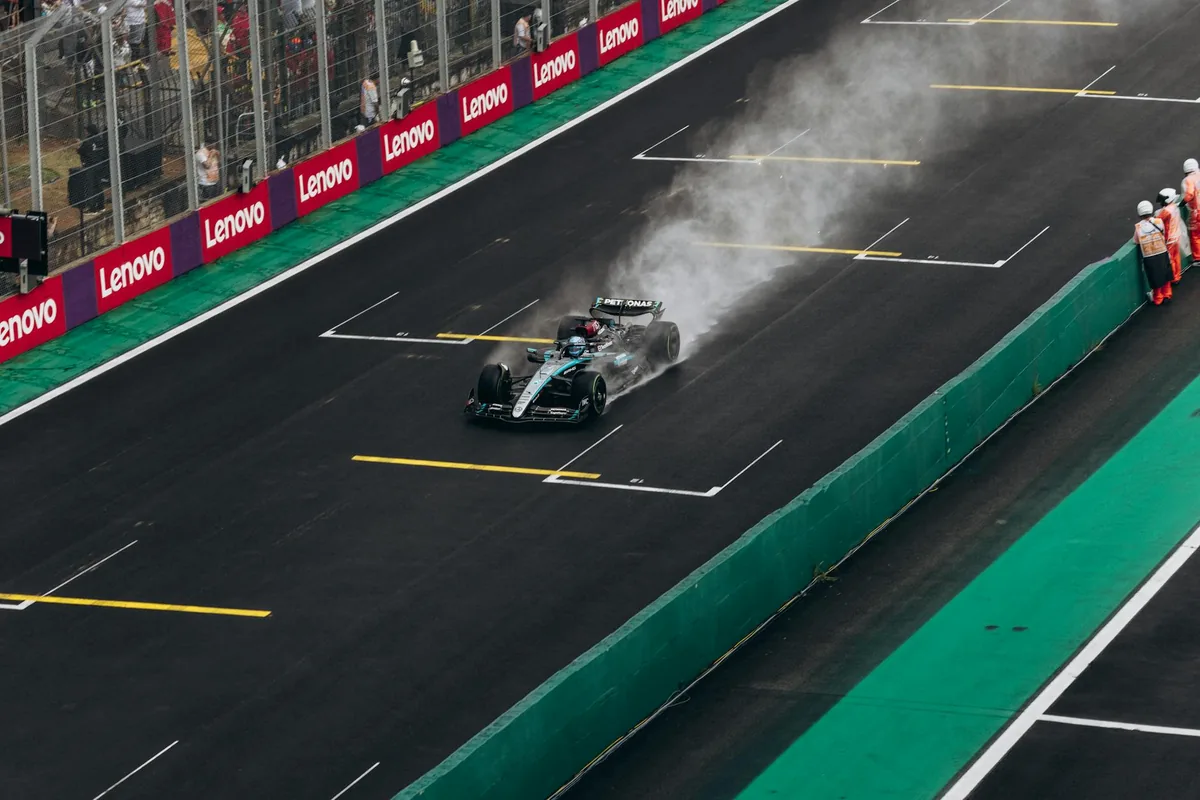
Braking Systems: How Silverstone Tests F1 Brakes
The Silverstone Circuit is a brutal proving ground for Formula 1 braking systems. Its unique combination of high-speed straights and heavy braking zones creates one of the most severe thermal and mechanical challenges on the calendar. Understanding how brakes are tested and pushed to their limits at this iconic track reveals the incredible engineering behind modern F1 performance and safety.
The Unique Demands of Silverstone on Brakes
Silverstone’s fast, flowing nature is deceptive. While it is known as a high-speed, aerodynamic circuit, it places immense strain on the carbon-carbon brake discs and pads. The primary challenge is managing extreme heat. Brake discs can reach operating temperatures exceeding 1,000°C during heavy braking. Silverstone’s sequence of high-speed corners followed by hard stops, such as the complex from Stowe to Club, means the brakes have little time to cool down between applications. This leads to heat soak, where the entire braking system—discs, pads, calipers, and hydraulic fluid—retains intense heat, risking fade and failure.
Furthermore, the wind conditions at Silverstone play a subtle but critical role. Unpredictable crosswinds can affect a car’s stability under braking, forcing drivers to modulate brake pressure and sometimes inducing lock-ups, which create flat spots on tires and localized overheating on the brake disc.
Corner-by-Corner: The Braking Battlefield
A lap of Silverstone is a series of intense braking events. Teams analyze every corner to optimize brake balance, cooling, and material choices.
Stowe Corner (Turn 15)
One of the most demanding braking zones on the track. Following the flat-out Hangar Straight, cars decelerate from over 330 km/h to around 130 km/h for this heavy right-hander. The brakes are under maximum load for approximately 2 seconds, absorbing massive kinetic energy. The Silverstone track layout analysis shows this is a critical overtaking spot, making consistent brake performance essential for both attack and defense.
Vale and Club Complex (Turns 16-18)
Immediately after Stowe, the circuit flows through the Vale and Club section, a technical sequence requiring repeated and trail-braking. Drivers barely get off the brakes between these corners, giving the system no recovery time. This tests the brakes' ability to handle sustained, rather than peak, temperatures and challenges the hydraulic system's consistency.
Brooklands and Luffield (Turns 6 & 7)
Another heavy braking zone after the high-speed Wellington Straight. The load here is slightly different, as the corner is slower and tighter, requiring more mechanical grip. Brake balance is shifted rearwards here to help rotate the car into the corner, testing the integrated systems of the brake-by-wire and rear torque vectoring.
How Teams Test and Prepare Brakes for Silverstone
Preparation for Silverstone’s braking demands begins well before the race weekend. Teams employ a multi-faceted approach involving simulation, material science, and on-track testing.
Simulation and Data Analysis: Using computational fluid dynamics (CFD) and thermal modeling, engineers predict heat buildup and cooling requirements for every corner. They simulate different brake duct sizes and shapes to find the optimal compromise between cooling drag and thermal management. This data analytics work is fundamental to pre-race strategy.
Material Selection: Teams choose from a range of brake disc and pad materials, each with different friction coefficients and thermal properties. For a potentially hot Silverstone weekend, a more heat-resistant, durable compound might be selected, even if it has a slightly lower initial bite. The track surface evolution also influences this choice, as a more abrasive surface can increase brake wear.
On-Track Validation: During practice sessions, teams conduct specific brake testing programs. This includes:
- Fade Tests: Pushing for consecutive laps to intentionally overheat the brakes and measure performance degradation.
- Cooling Checks: Using infrared cameras and temperature sensors on the wheels to validate that brake duct airflow matches simulations.
- Wear Analysis: Physically measuring disc and pad thickness between sessions to calculate wear rates and project lifespan for the race.
The Role of Brake-by-Wire and Energy Recovery
Modern F1 braking systems are a hybrid of traditional hydraulics and advanced electronics. The rear brakes are controlled by a brake-by-wire system that integrates with the car’s Energy Recovery System (ERS). When a driver presses the brake pedal, the system first harvests kinetic energy via the MGU-K (Motor Generator Unit – Kinetic) on the rear axle, converting it to electrical energy for storage. Only after this does the physical rear brake system engage.
At Silverstone, with its frequent heavy braking, this means the rear carbon brakes are used less than the fronts, altering the thermal profile of the car. Engineers must carefully map the brake-by-wire system to ensure consistent pedal feel for the driver while maximizing energy harvest for deployment down the straights, like the run from Copse to Maggotts. This complex interaction is a key part of fuel and energy strategy at Silverstone.
Safety and Failure Mitigation
Given the extreme forces involved, brake failure is a critical safety concern. Silverstone’s own comprehensive safety features provide a crucial backdrop, but car integrity is paramount. Brake systems are designed with redundancy: dual hydraulic circuits (one for the front brakes, one for the rear) mean a total loss of braking is incredibly rare. Carbon brake material is chosen not only for performance but also for its consistency at high temperatures; it is less prone to the sudden failure that can affect steel discs.
Teams also monitor brake wear in real-time via sensors. If wear exceeds critical limits, engineers will radio the driver to adjust braking patterns or, in extreme cases, box for a precautionary change. The FIA mandates a minimum thickness for brake discs to ensure they cannot be worn completely through during a race.
Conclusion: The Decisive Margin
At Silverstone, braking performance is a decisive margin between pole position and the midfield, or a successful overtake and a missed opportunity. It encapsulates the Formula 1 challenge: managing extreme physics through precision engineering. The teams that best understand and prepare for Silverstone’s unique combination of speed, rhythm, and thermal punishment will give their drivers the confidence to brake later, carry more speed, and ultimately, find those crucial tenths of a second. For a deeper look at the technical setup required for this circuit, explore our complete Silverstone car setup guide.
To understand the official specifications and ongoing developments in F1 brake system technology, authoritative resources like the FIA Technical Department and research from material science institutes such as the University of Oxford Department of Materials provide valuable context for the engineering feats seen on track.