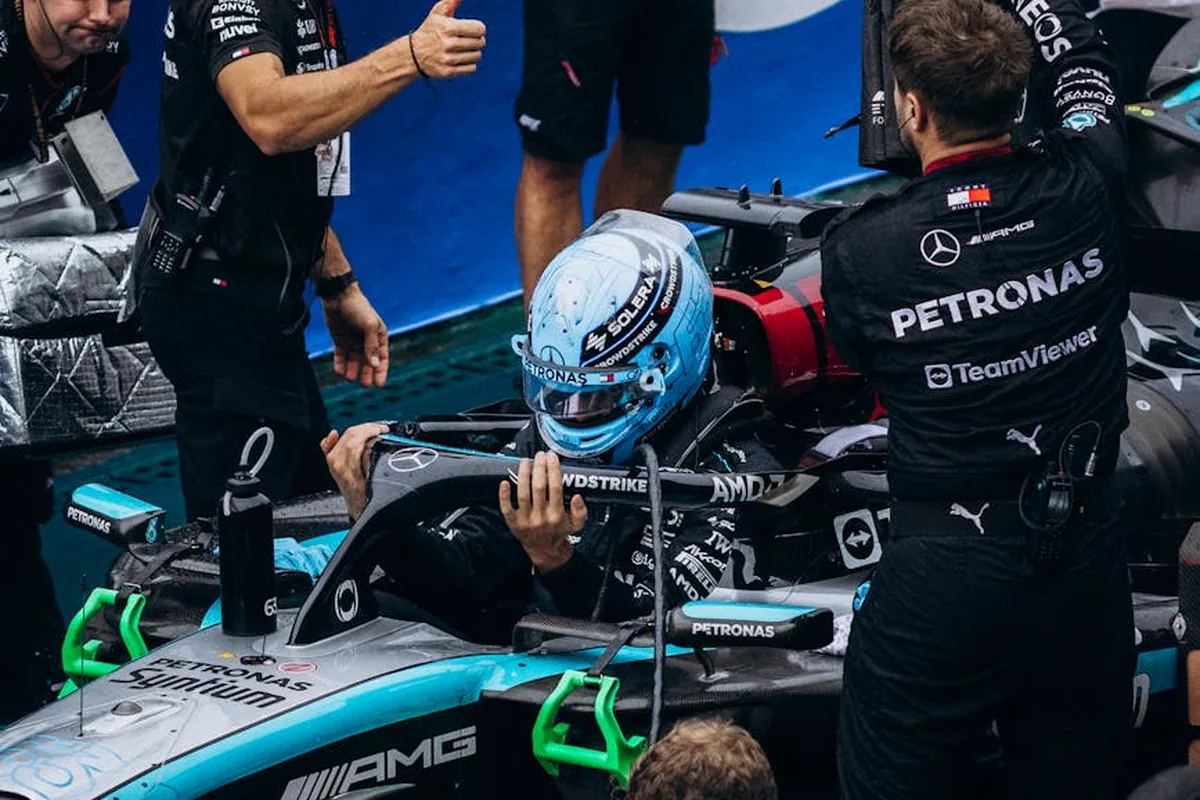
Fuel Strategy at Silverstone: The Ultimate Balancing Act
Fuel strategy at the Silverstone Circuit is a high-stakes chess game played at over 200 mph. It demands a precise balance between carrying enough fuel to finish the race and minimizing weight to maximize lap time. Every extra kilogram of fuel costs approximately 0.03 seconds per lap, making the calculations of engineers in the pit lane absolutely critical to victory. At a track known for its high-speed, flowing nature and significant fuel consumption, getting this balance wrong can mean the difference between a podium finish and falling out of the points entirely.
Why Silverstone Poses a Unique Fuel Challenge
Silverstone’s characteristics make it one of the most fuel-intensive circuits on the Formula 1 calendar. The track layout, with its long, full-throttle sections like the Hangar Straight and Wellington Straight, requires drivers to spend over 70% of a lap at wide-open throttle. This constant high engine load, combined with the aerodynamic drag from Silverstone's average speeds, leads to significant fuel burn. Furthermore, the circuit's wind conditions can alter aerodynamic efficiency from lap to lap, forcing teams to adapt their fuel calculations in real-time. A headwind on a straight increases fuel consumption, while a tailwind can offer a slight reprieve.
The Weight vs. Performance Equation
The fundamental rule is simple: a lighter car is a faster car. At the start of the race, an F1 car is loaded with over 100 kg of fuel. Shedding that weight as the race progresses is why cars get quicker towards the end of a stint. Engineers must calculate the exact lap time penalty for every kilogram of fuel carried, then work backwards from the finish line. The goal is to cross it with as close to zero fuel as possible—a practice known as "running to the flag." Carrying even a few kilograms of unnecessary fuel over a 52-lap race can add up to a costly time deficit.
Strategic Variables and Race-Day Decisions
Fuel strategy is not set in stone during Friday's practice sessions; it is a dynamic plan that evolves right up to the checkered flag. Several key factors influence the final calculations and in-race adjustments.
Safety Cars and Virtual Safety Cars
These are the biggest game-changers. A Safety Car period dramatically reduces fuel consumption as cars circulate at a much slower speed. Teams immediately recalculate, realizing their cars will now have a significant fuel surplus. This allows drivers to push harder after the restart, using the saved fuel for extra engine performance, or it can enable a switch to a more aggressive race strategy with faster lap times. Conversely, an unexpected early Safety Car can disrupt a conservative fuel plan, forcing teams to manage a surplus.
Tyre Strategy Interplay
Fuel management is intrinsically linked to tyre strategy. A car on fresh, grippy tyres will use more fuel as the driver can accelerate harder and brake later. Managing fuel often means managing tyre wear to ensure performance is available when needed. Engineers provide drivers with a target lap time that balances tyre preservation with fuel saving, a delicate dance known as "lift-and-coast," where drivers lift off the throttle early before braking points.
Weather's Critical Role
Ambient and track temperature have a direct impact. Cooler, denser air improves engine combustion efficiency, potentially offering a slight fuel saving. However, as detailed in our analysis of how weather affects racing at Silverstone, rain is the ultimate variable. A wet race reduces average speeds and fuel consumption considerably, but it also introduces the unpredictability of changing conditions, forcing teams to plan for multiple fuel scenarios.
The Technology Behind the Calculations
Modern fuel strategy relies on a vast array of sensors and sophisticated software. The Fuel Flow Meter, mandated by the FIA, precisely regulates the maximum flow of fuel to the engine to 100 kg/hour. This sensor provides teams with real-time data on consumption. This data is fed into complex simulation software that models the entire race, incorporating live telemetry, competitor data, and predicted lap times. Engineers in the garage and back at the factory continuously run these simulations, offering the race strategist multiple options. The driver’s role is crucial, as they provide feedback on the car's balance and must execute the fuel-saving commands delivered via team radio with precision.
Historical Lessons and Modern Implications
Silverstone’s history is littered with races won and lost on fuel strategy. The most dramatic examples often involve drivers nursing a failing car to the finish or running out of fuel on the final lap. In the modern hybrid era, the equation has become even more complex. The hybrid system’s Energy Recovery System (ERS) can harvest energy under braking and deploy it for extra power, which can be used to save fuel. Teams must now manage electrical energy alongside traditional fuel, a process known as "energy mapping." Efficient deployment of electrical power on the straights can directly reduce fuel consumption. The FIA provides excellent resources on the technical regulations governing fuel and power units, which shape these strategies (https://www.fia.com/regulation/category/110).
The Future: Efficiency as the Ultimate Performance Metric
As Formula 1 moves towards its 2026 engine regulations with an even greater emphasis on sustainable fuels and electrical power, fuel efficiency will transition from a strategic consideration to a core performance differentiator. The ability to extract maximum speed from minimal fuel will define the winning teams. This aligns perfectly with the broader sustainability initiatives at Silverstone, positioning the circuit at the forefront of green racing technology. The pursuit of efficiency is no longer just about winning a race; it's about pioneering technologies with real-world relevance. For a deeper look at how data drives these decisions, explore the role of data analytics in Silverstone race strategy.
In conclusion, fuel strategy at Silverstone is a silent, relentless battle fought in supercomputers and the driver’s right foot. It is a perfect demonstration of Formula 1 as a team sport, where the collaboration between driver, strategist, and engineer under intense pressure turns meticulous planning into race-winning advantage. The margins are vanishingly small, but at a circuit as demanding as Silverstone, mastering the balance between speed and efficiency remains one of the sport's purest challenges.