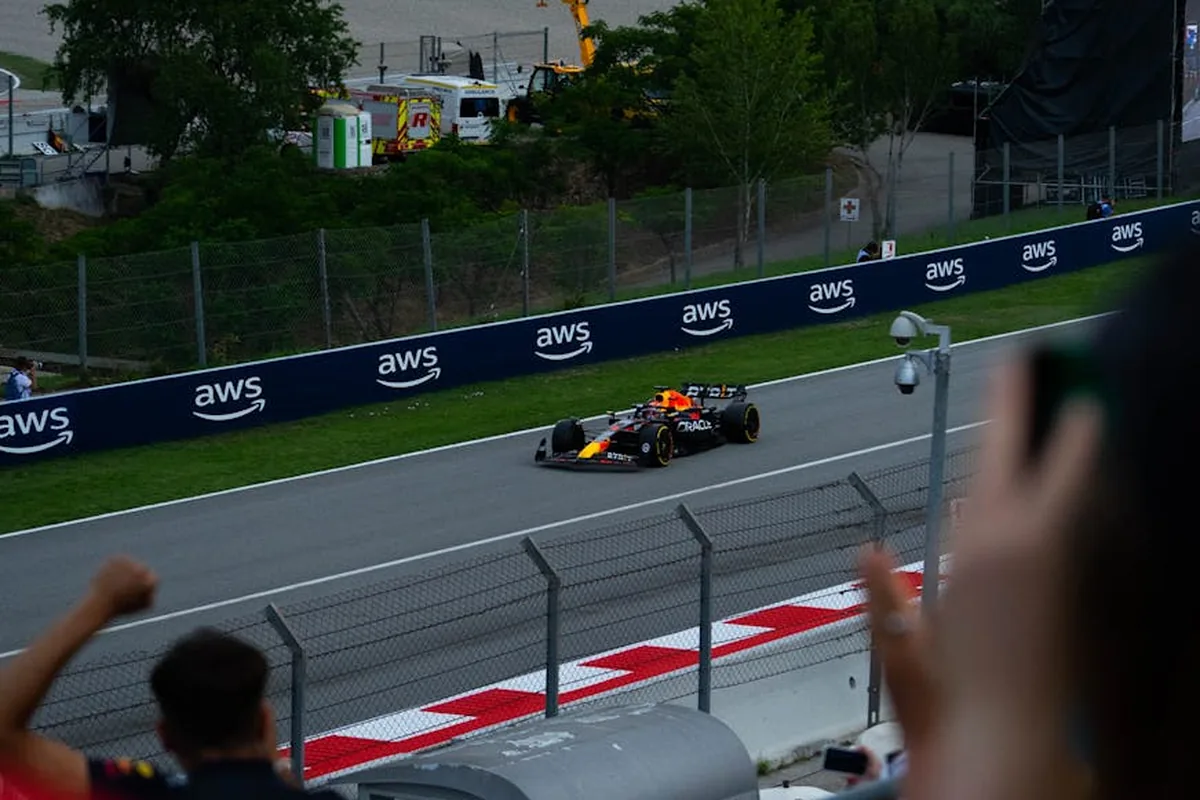
Mind Over Matter: Mental Preparation for Drivers at Silverstone
The roar of 100,000 fans, the piercing scream of a Formula 1 engine at full throttle, and the relentless, high-speed challenge of one of the world’s most demanding circuits. For a driver at the British Grand Prix, Silverstone is the ultimate test of skill, courage, and crucially, mental fortitude. While physical fitness and technical car setup are vital, the battle is often won or lost in the mind. Mental preparation is the invisible yet critical component that separates the good from the great at this iconic venue.
The Unique Psychological Demands of Silverstone
Silverstone is not just another track; its specific characteristics create a distinct psychological profile. The circuit is famously fast and flowing, requiring a rhythm and commitment that leaves little margin for error. A driver must maintain intense concentration through sequences like the high-G-force Maggotts-Becketts-Chapel complex, where a single lapse can mean a spin into the gravel at over 150 mph. This demands a state of "flow" – complete immersion and focused energy.
Furthermore, the event carries immense weight. As the home race for many teams and drivers, the pressure of expectation from fans and media is palpable. The energy from the grandstands is electric, but it can also amplify the sense of occasion, adding another layer of psychological load that drivers must manage. Understanding the track's evolution, as detailed in our guide to Silverstone's major modifications, is also part of mental preparation, allowing drivers to anticipate the behavior of the asphalt and its unique challenges.
Core Pillars of Driver Mental Preparation
Elite drivers and their performance coaches build mental resilience through a structured regimen, much like physical training. This preparation is built on several key pillars.
Visualization and Mental Rehearsal
Long before they buckle into the cockpit, drivers have already completed hundreds of perfect laps in their minds. Visualization involves mentally simulating every detail of the circuit: the feel of each curb at Copse, the precise braking point into Stowe, the shift of G-forces through Abbey. This process neural pathways, improving reaction times and building confidence. It also includes rehearsing responses to potential scenarios, such as a sudden change in weather—a common factor at Silverstone explored in our analysis on how weather affects racing.
Focus and Concentration Training
Maintaining razor-sharp focus for nearly two hours in a race is exhausting. Drivers train to filter out distractions—crowd noise, radio chatter, rival cars—and maintain a "quiet mind." Techniques often include mindfulness and meditation to enhance present-moment awareness. This is essential for managing the split-second decisions required, especially during wheel-to-wheel battles at key Silverstone overtaking hotspots.
Emotional Regulation and Pressure Management
The ability to stay calm under extreme pressure is non-negotiable. Drivers work on techniques to control arousal levels, preventing anxiety from spiking or focus from drifting. Breathing exercises are fundamental for regulating heart rate and maintaining oxygen flow during high-G corners. Managing the emotional rollercoaster of a race weekend, from a poor qualifying session to a mid-race safety car, is a practiced skill. The intense spotlight of being a home hero at Silverstone makes this emotional control even more critical.
Pre-Race Routines and Rituals
Consistency breeds confidence. Most drivers adhere to strict pre-race routines that help trigger a state of optimal readiness. This might include specific physical warm-ups, nutrition protocols, music playlists, or quiet time for final visualization. These rituals create a sense of control and familiarity amidst the chaos of a Grand Prix weekend, anchoring the driver’s mindset before the visor goes down.
Race Weekend: Applying the Mental Framework
Theoretical preparation meets reality from the moment practice begins. A driver’s mental strategy adapts through each session.
During practice, the focus is on learning and calibration. Drivers absorb data about car behavior, track conditions, and tire performance, building a mental database. They work closely with engineers, a collaboration highlighted in our feature on team dynamics at Silverstone, to translate feelings into technical adjustments. Qualifying shifts the mindset to absolute limit-seeking, requiring peak aggression and precision for a single lap. The mental challenge is to push to the edge without tipping over into error.
The race itself is a marathon of concentration. Drivers must constantly process a stream of information: tire wear, fuel loads, race strategy updates from the pit wall, and the positions of rivals. Strategic thinking becomes paramount, often discussed in real-time via team radio communications at Silverstone. Managing physical discomfort and fatigue while making flawless decisions lap after lap is the ultimate mental endurance test.
Learning from the Legends
History offers clear examples of mental mastery at Silverstone. Drivers like Lewis Hamilton have repeatedly demonstrated an almost supernatural ability to deliver under the immense pressure of his home race, channeling the crowd's energy into peak performance. His record, analyzed in our piece on Hamilton's Silverstone dominance, is a testament to psychological strength. Similarly, legendary wet-weather drives at the circuit, such as those by Michael Schumacher or Alain Prost, showcase supreme adaptability and calm—traits forged through rigorous mental preparation.
These champions understand that while the car must be physically prepared for the demands of the track, as outlined in our Silverstone car setup guide, the driver's mind must be equally tuned. Organizations like the FIA Institute place increasing emphasis on mental skills, recognizing their role in both performance and safety.
The Invisible Advantage
At the pinnacle of motorsport, where physical and technical margins are infinitesimally small, the mind becomes the ultimate differentiator. Mental preparation for Silverstone is a comprehensive discipline encompassing visualization, focus, emotional control, and structured routine. It enables drivers to harness the circuit's ferocious energy, withstand the unique pressures of the British Grand Prix, and execute with millimetric precision when it matters most. In the high-speed theater of Silverstone, the most important battles are often fought not on the asphalt, but within the helmet.
For further insights into the science of peak performance in high-pressure environments, authoritative resources such as the American Psychological Association provide valuable research. Additionally, the work of bodies like the FIA's Safety and Science departments continues to evolve our understanding of driver psychology in motorsport.