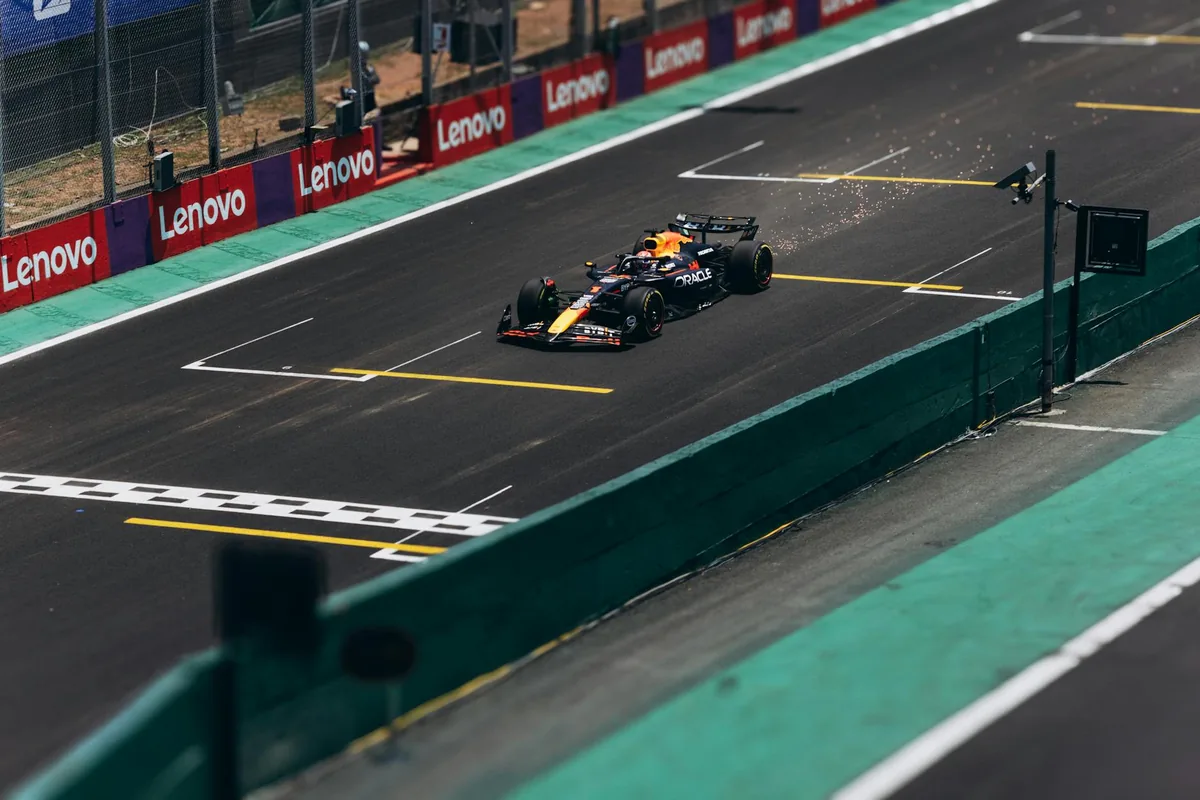
Latest Technological Innovations at Silverstone Circuit 2024
Silverstone Circuit, the historic home of the British Grand Prix, is not just resting on its laurels. For the 2024 season, the venue has implemented a suite of cutting-edge technological upgrades designed to enhance the experience for fans, teams, and drivers alike. These innovations span fan engagement, operational efficiency, and on-track performance, solidifying Silverstone's position at the forefront of modern motorsport venues. This deep dive explores the key tech advancements transforming the circuit this year.
Next-Generation Fan Connectivity and Digital Experience
Silverstone has made a significant leap in digital infrastructure to ensure fans never miss a moment of the action, whether they are trackside or exploring the venue. The cornerstone of this initiative is a massive upgrade to the public Wi-Fi network. For 2024, the circuit has deployed a high-density, high-capacity mesh network, specifically engineered to handle the data demands of over 140,000 spectators. This robust connectivity allows for seamless live streaming, real-time social media sharing, and instant access to timing and telemetry apps without the frustrating lag often experienced at large events.
Complementing the Wi-Fi is the enhanced Silverstone App. The 2024 version features augmented reality (AR) wayfinding, helping fans navigate the expansive circuit with ease. By simply pointing their smartphone camera, users can see digital signposts directing them to the nearest grandstand, food vendor, or restroom. The app also integrates live driver biometric data (where permitted) and exclusive in-car radio feeds, offering an immersive layer of insight previously available only to teams. For a complete guide on choosing the best spot to use this new tech, see our Choosing Your View: Complete Guide to Silverstone Grandstands.
Advanced Track Surface and Data Analytics Integration
On the racing surface itself, Silverstone continues its legacy of engineering excellence. The latest iteration of the track surface incorporates advanced sensor technology embedded within the asphalt at key corners like Copse, Maggotts, and Becketts. These sensors provide real-time data on micro-level grip, temperature gradients, and surface wear. This information is fed directly to race control and, in a controlled format, to broadcasters, offering unprecedented analysis of how the track evolves during a session.
This data is part of a larger push in data analytics at Silverstone. The circuit's partnership with leading tech firms has resulted in a central "Circuit Brain"—a data hub that aggregates information from track sensors, weather stations, and CCTV. This system allows for predictive management of on-track incidents, optimised deployment of safety and track maintenance crews, and even dynamic scheduling of support events based on real-time conditions. Understanding the track's unique challenges is key; our Silverstone Track Layout: Corner-by-Corner Analysis provides essential context for these tech upgrades.
AI-Powered Security and Crowd Management
Safety and security have seen a technological revolution. Silverstone now employs an AI-driven video analytics system across its CCTV network. This software can automatically detect unusual crowd patterns, identify potential safety hazards like congested walkways, and even flag unattended items. This proactive approach allows security teams to respond to situations before they escalate, ensuring a safer environment for everyone. These systems work in tandem with the circuit's renowned physical Silverstone Circuit Safety Features.
Sustainability Tech: Powering a Green Future
Technological innovation at Silverstone in 2024 is deeply intertwined with sustainability. The circuit has expanded its on-site renewable energy generation, with new solar panel arrays installed on the roofs of the Wing complex and other support buildings. More impressively, Silverstone has pioneered a kinetic energy recovery system (KERS) at select pedestrian entry gates. As fans walk through special turnstiles, their footfall generates small amounts of electricity, which is fed back into the circuit's power grid—a symbolic and practical nod to energy recovery in F1.
Water conservation is also driven by tech. Smart irrigation systems across the venue's green spaces now use weather forecasting data and soil moisture sensors to optimise water usage, significantly reducing waste. These initiatives are part of a broader commitment detailed in our article on Silverstone's Sustainability Initiatives: Green Racing Future.
Enhanced Broadcast and Media Capabilities
For the global television audience, Silverstone's 2024 upgrades ensure the broadcast remains world-class. The circuit has installed new ultra-high-speed fiber optic lines connecting every camera point, hospitality suite, and the Inside the Media Centre: Silverstone's Press and Broadcasting Hub. This network supports 8K video transmission, providing broadcasters with incredibly detailed footage for slow-motion replays and immersive viewing experiences.
Furthermore, Silverstone has increased the number of robotic camera systems, including drone-based cameras that can follow the cars through complex sections like the Wellington Straight and Brooklands complex, offering dynamic aerial perspectives previously impossible to capture safely. For a look at how broadcasting has evolved, the From Radio to 4K: The Evolution of British Grand Prix Broadcasting provides fascinating historical context.
The Future in the Pits and Paddock
Team operations benefit from behind-the-scenes infrastructure upgrades. The pit lane has seen improvements in high-speed data connectivity, allowing teams to process the vast telemetry from their cars even faster. Additionally, the circuit provides dedicated 5G private network slices for each team in the paddock, ensuring secure and instantaneous data transfer back to their factories. This allows for real-time collaboration between track-side engineers and simulation experts back at headquarters, compressing development cycles during a race weekend. Get a closer look at this environment in our feature Inside Silverstone's Pit Lane: Cutting-Edge Technology & Operations.
These technological strides are part of a continuous evolution. To understand how the circuit's physical form has changed to accommodate such tech, explore How Silverstone Circuit Has Changed: Major Modifications Through History.
Conclusion
The technological innovations at Silverstone Circuit for 2024 demonstrate a holistic commitment to progress. By seamlessly integrating advanced connectivity, data analytics, sustainable engineering, and broadcast enhancements, Silverstone is not merely hosting a race; it is curating a hyper-connected, efficient, and immersive motorsport spectacle. These investments ensure that the circuit remains a benchmark for the global racing community, offering an unparalleled experience that honors its rich past while firmly embracing a data-driven, sustainable future. For the latest official updates on F1's technical regulations that interact with these circuit systems, the Fédération Internationale de l'Automobile (FIA) website is the authoritative source, while details on sustainable venue management can be found through the Green Sports Alliance.