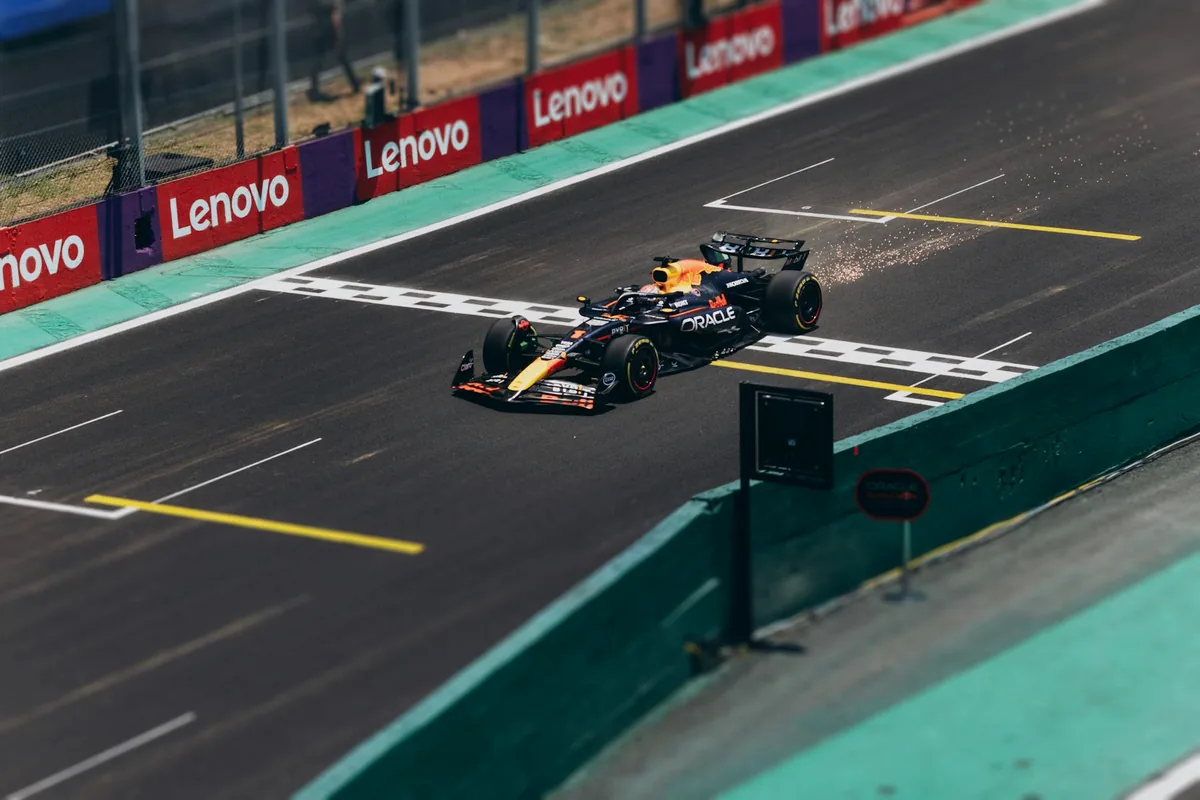
Safety First: Silverstone's Advanced Safety Systems
The roar of Formula 1 engines at Silverstone is a symphony of speed, but its true masterpiece is the silent, sophisticated network of safety systems operating in the background. As one of the world's fastest and most demanding circuits, Silverstone's commitment to protecting drivers, teams, and hundreds of thousands of fans is paramount. This commitment is woven into the very fabric of the venue, from its pioneering track design to its cutting-edge technology and highly trained personnel. The circuit's evolution is a story of continuous safety innovation, ensuring it remains at the forefront of global motorsport standards.
The Foundation: Track Design and Infrastructure
Safety at Silverstone begins with its physical layout. The circuit has undergone significant modifications throughout its history, with many changes driven directly by safety advancements. The introduction of larger run-off areas, the reprofiling of high-speed corners, and the strategic placement of barriers are all calculated decisions. For a detailed look at how the track has been reshaped for safety and competition, explore our article on How Silverstone Circuit Has Changed: Major Modifications Through History.
Modern Silverstone features vast asphalt run-off zones at critical corners like Copse, Stowe, and Abbey. These areas are designed to decelerate a car that has lost control in a controlled manner, reducing the risk of a high-impact collision. The track surface itself is a key component, with specific asphalt compositions and meticulous maintenance to provide consistent grip. The Silverstone Track Surface: Asphalt Composition & Maintenance plays a crucial role in predictable car behavior, which is the first line of defense against accidents.
Advanced Barrier Technology
When a car does make contact, the barrier systems are the next critical layer of protection. Silverstone employs a multi-faceted approach:
- TecPro Barriers: These hybrid barriers, combining deformable polyethylene blocks with metal rails, are strategically placed in high-impact zones. They absorb and dissipate energy far more effectively than traditional concrete or tire walls.
- SAFER Barrier (Steel and Foam Energy Reduction): While more common in American oval racing, principles of energy-absorbing barrier technology influence installations at key points, working to reduce G-forces on impact.
- Debris Fencing: High-strength catch fencing is installed in spectator areas and between certain track sections to contain debris and prevent tires or car parts from entering the crowd or other parts of the circuit.
The evolution of these systems is a fascinating engineering journey, detailed in our feature on the Safety First: The Evolution of Silverstone's Safety Barriers.
Comprehensive Medical and Emergency Response
Speed of response is everything in a motorsport incident. Silverstone operates a world-class medical and emergency service center that rivals a small hospital. The circuit's Medical Response Team is on high alert throughout any event, with strategically located intervention vehicles and marshals posts around the 5.9km lap.
The circuit's state-of-the-art Medical Centre is equipped with two operating theatres, advanced resuscitation facilities, and a direct helicopter landing pad for rapid transfer to major trauma centers. This facility is a cornerstone of the circuit's Comprehensive Security & Safety Measures at Silverstone. Furthermore, all FIA-appointed trackside marshals and medical personnel undergo rigorous, specialized training to handle the unique challenges of high-speed motorsport incidents.
Real-Time Monitoring and Race Control
Safety at Silverstone is a dynamic, data-driven operation. The Race Control tower is the circuit's nerve center, staffed by FIA officials and circuit personnel who monitor every inch of the track in real time.
Key Systems in Operation:
- Marshal Communication Network: A dedicated, fail-safe radio system connects all marshals posts, flag points, and emergency services, allowing for instantaneous reporting and coordination.
- Extensive CCTV Coverage: Hundreds of high-definition cameras provide Race Control with multiple angles of every corner, straight, and pit lane, ensuring no incident goes unseen.
- Weather Monitoring: Given Silverstone's famously variable climate, advanced meteorological systems are critical. Real-time data on wind speed, direction, and precipitation directly informs race control decisions, from the deployment of the Safety Car to race suspensions. Learn more about this in How Weather Conditions Affect Racing at Silverstone Circuit.
This integration of human expertise and technology ensures that responses to incidents, from a single-car spin to a major collision, are swift and precise.
Fan Safety and Crowd Management
Protecting the spectators who create Silverstone's electrifying atmosphere is equally vital. The circuit's safety protocols extend far beyond the track limits. A sophisticated crowd management plan is enacted for every major event, developed in close collaboration with local authorities and emergency services.
This includes clearly marked emergency evacuation routes, abundant and well-signed medical points throughout the fan zones and grandstands, and highly visible security personnel. The design of spectator facilities also incorporates safety, with robust grandstand engineering and clear sightlines. For insights into how these facilities are designed with both experience and safety in mind, see our Silverstone Grandstands & Facilities: Best Views and Amenities guide.
Furthermore, strict protocols govern access, with comprehensive bag checks and a clear list of prohibited items to ensure a secure environment for all. The UK's Motorsport UK, the national governing body, sets stringent standards for circuit licensing that Silverstone not only meets but exceeds. You can review their safety regulations and guidance on the official Motorsport UK website.
A Culture of Continuous Improvement
Silverstone's safety philosophy is not static. It is a culture of proactive analysis and continuous improvement. After every event, especially a Formula 1 Grand Prix, every incident is reviewed in detail. Data from crashes is studied in collaboration with the FIA to understand vehicle dynamics and improve barrier performance globally.
The circuit also invests in research and development, often trialing new safety technologies. This forward-thinking approach ensures Silverstone remains a benchmark. The FIA Institute, now part of the FIA's Safety Department, has been instrumental in driving global motorsport safety research, much of which is implemented at circuits like Silverstone. Explore their work on the official FIA Safety page.
From its pioneering run-off areas to its real-time data hubs and elite medical team, Silverstone's safety ecosystem is a multi-layered shield. It represents a profound responsibility—to enable the fearless pursuit of speed while meticulously managing its inherent risks. This unwavering commitment to "Safety First" is what allows the drama, passion, and sheer thrill of the British Grand Prix to unfold, year after year.