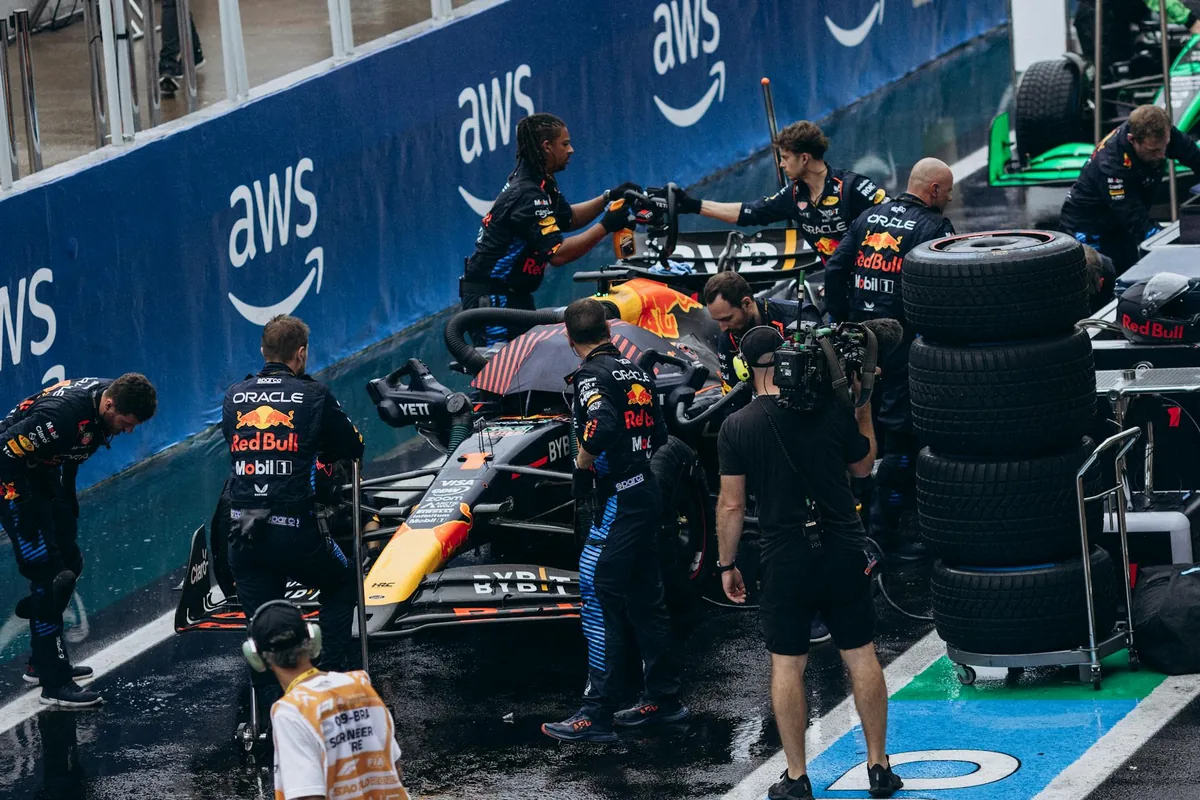
The Heartbeat of the Race: Inside Silverstone's Pit Lane
The Silverstone pit lane is far more than a row of garages; it is the strategic and operational nerve center of the British Grand Prix. While fans in the grandstands watch the cars blur past on the historic tarmac, a parallel drama of split-second decisions, choreographed chaos, and cutting-edge technology unfolds here. This is where races are won and lost, not just through driver skill, but through the precision of a team operating at the absolute limit. From the frantic energy of a pit stop to the quiet intensity of the strategy room, the pit lane is a world of its own, governed by strict regulations and driven by relentless innovation.
The Anatomy of a Modern F1 Garage
Each team's garage at Silverstone is a temporary, hyper-specialized headquarters. Behind the open front, a meticulously organized space houses the two race cars, a vast array of spare parts, and the tools for every conceivable repair. The garage is divided into clear zones: the front-line where the car is serviced, the engineering stations where data flows in real-time, and the rear where components are prepared. Overhead, a gantry allows for swift engine changes, while the floor is often marked with precise grids to position the car perfectly for setup changes. This environment is a direct result of the circuit's ongoing construction and renovation history, which has continually expanded and modernized team facilities to meet the sport's escalating technical demands.
The Strategy Wall and Real-Time Data
The most critical area within the garage is often the strategy wall—a bank of screens displaying live telemetry, timing data, competitor information, and complex predictive models. Engineers here monitor everything from tyre wear and fuel consumption to weather radar, making calls that can define a race outcome. The ability to process this data under immense pressure is what separates top teams from the rest, a constant evolution detailed in our analysis of how data analytics shapes Silverstone race strategy.
The Ballet of the Pit Stop
The pit stop is the pit lane's most visible and dramatic operation. What appears as a blur of activity is, in fact, a flawlessly rehearsed procedure where over twenty crew members perform specific tasks in under two seconds. The process involves:
- Jack Operators: Two front and rear jacks lift the car simultaneously.
- Wheel Gunners: Four individuals remove and refit the wheels using high-torque pneumatic guns.
- Wheel Carriers: Four more crew bring the fresh tyres and take away the used set.
- Stabilizers: Crew members steady the car while it is lifted.
- Front and Rear Wing Adjusters: Engineers may make aerodynamic adjustments if allowed.
- The Lollipop Person (or Automated Light System): Holds the car in place and releases it safely.
Every movement is choreographed to eliminate wasted milliseconds. The pressure is immense, as a slow stop or a mistake can cost multiple positions. Teams practice these stops hundreds of times between races, and the high-speed nature of Silverstone's layout makes efficient pit work even more critical to overall race time.
Strategy and Decision-Making Under Pressure
Pit lane strategy at Silverstone is a high-stakes chess game influenced by multiple volatile factors. The primary decision revolves around tyre choice and pit stop timing, which are heavily influenced by the famously changeable weather at Silverstone. A sudden rain shower can turn a race on its head, forcing teams into reactive, split-second decisions to switch to intermediate or wet tyres.
Strategy teams must also consider track position, traffic, Safety Car probabilities, and the performance degradation of different tyre compounds. They run complex simulations in real-time, weighing the benefits of an undercut (pitting early to gain time on fresh tyres) against an overcut (staying out longer to build a gap). Communication between the pit wall, the driver, and the garage is constant and crucial, often revealed in fascinating detail through team radio communications.
Technology and Operations Behind the Scenes
The seamless operation of the pit lane is supported by a backbone of advanced technology. High-speed data links transmit gigabytes of car telemetry to the garage and the team's factory, often hundreds of miles away. Fuel rigs are precisely calibrated to deliver exact amounts at a rapid flow rate. Tyre warmers ensure the new rubber is in the optimal temperature window the moment it hits the track. Furthermore, the pit lane's design incorporates critical safety features, including a strict speed limit (typically 80 km/h during races), defined entry and exit lines, and protocols to protect personnel working mere inches from live traffic.
Beyond the Race: The Fan Experience
For spectators, the pit lane is a source of fascination. While access is highly restricted during a Grand Prix, fans can get an unparalleled glimpse through exclusive behind-the-scenes pit lane tours offered at other times. These experiences allow visitors to walk the same tarmac, see the garages up close, and understand the scale of operations. Additionally, the energy of pit lane activity is a key part of the spectacle for those in premium hospitality areas overlooking the start/finish straight, making it a central element of the overall Silverstone experience.
The Silverstone pit lane is a microcosm of Formula 1 itself: a blend of human endeavor, strategic intellect, and technological prowess. It is a place where preparation meets opportunity, and where races are transformed in the blink of an eye. For authoritative insights into the technical regulations governing pit lane procedures, the Fédération Internationale de l'Automobile (FIA) provides the official sporting regulations. Furthermore, the relentless pursuit of pit stop perfection is documented in technical analyses by outlets like Autosport, highlighting the continuous innovation that defines this critical aspect of motorsport.