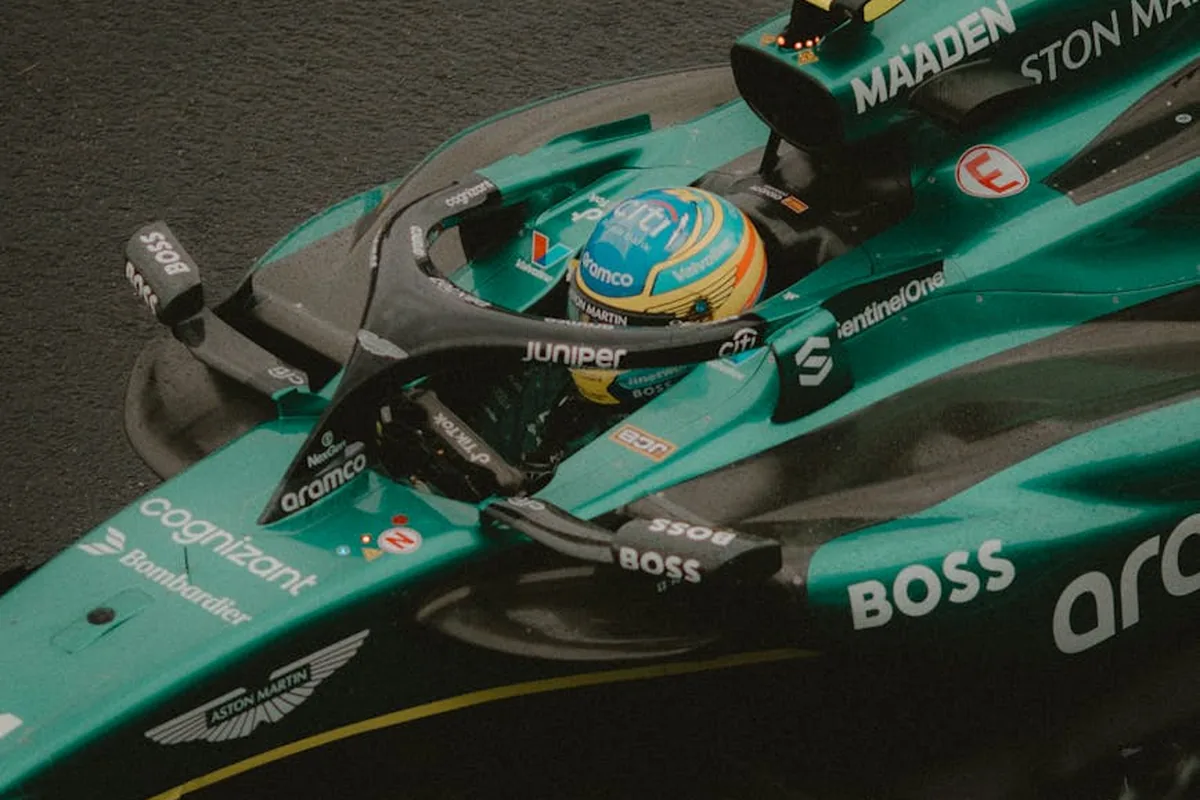
Engine Performance Analysis: Power Units at Silverstone
The Silverstone Circuit is a supreme test of a Formula 1 power unit. Its unique blend of long, full-throttle straights and demanding high-speed corners places extraordinary emphasis on both outright power and energy recovery efficiency. A successful lap here is a symphony of mechanical and electrical energy working in perfect harmony. This analysis delves into the specific demands Silverstone places on modern F1 hybrid power units, examining the critical balance between internal combustion engine (ICE) performance, electrical deployment, and the strategic management of both.
The Demands of the "Aerodrome"
Silverstone’s layout, born from a World War II airfield, is characterized by its sweeping, flowing nature. This creates a very specific performance profile. The circuit features one of the highest average speeds on the calendar, with cars spending approximately 70% of a lap at full throttle. This places a premium on pure horsepower from the internal combustion engine. Long stretches like the run from Copse through Maggotts and Becketts and onto the Hangar Straight demand sustained peak power output.
However, raw power is only part of the equation. The sequence of high-speed corners, detailed in our Silverstone Track Layout: Corner-by-Corner Analysis, requires exceptional drivability. Engineers must calibrate the power delivery and energy recovery mapping to ensure seamless deployment out of corners like the complex Becketts chicane, where a hesitant or peaky power unit can cost crucial tenths. The circuit’s wind conditions further complicate this, as crosswinds can affect aerodynamic balance and, consequently, how and when power is applied.
Energy Recovery: The Silverstone Sprint
The hybrid era has turned Silverstone into a strategic sprint for electrical energy. The two major braking zones—at the end of the Hangar Straight for Stowe Corner and at the end of the Wellington Straight for the Brooklands/Luffield complex—are critical harvesting opportunities. The MGU-K (Motor Generator Unit – Kinetic) recovers energy under braking, converting the car's speed into electrical power stored in the Energy Store (ES).
The efficiency of this system is paramount. A power unit that can harvest more energy in these zones, or harvest it more quickly, will have a larger electrical reserve to deploy. This deployment is strategically targeted. The main overtaking opportunity into the Wellington Straight, for example, is heavily dependent on a powerful "push-to-pass" style deployment of the MGU-K, supplemented by the MGU-H.
The Critical Role of the MGU-H
At a circuit like Silverstone, the MGU-H (Motor Generator Unit – Heat) becomes a key performance differentiator. This device, attached to the turbocharger, recovers energy from the exhaust gases. Its primary function at Silverstone is to eliminate turbo lag—the delay in power delivery when the driver accelerates. Through the fast changes of direction in Maggotts and Becketts, immediate throttle response is non-negotiable. The MGU-H keeps the turbo spooled up, ensuring instantaneous power when the driver gets back on the throttle.
Furthermore, the MGU-H can directly feed power to the MGU-K for deployment, bypassing the battery. This creates a more efficient and powerful energy flow, crucial for maintaining speed down the long straights. The intricate management of this heat energy, balancing turbo response with electrical harvesting and deployment, is a core software challenge for power unit manufacturers at this track.
Cooling and Reliability Under Strain
Sustained high engine loads generate immense heat. While Silverstone’s often cool British climate can be an advantage, the relentless full-throttle sections push cooling systems to their limit. Teams face a classic compromise: open up bodywork for better cooling and sacrifice aerodynamic efficiency, or run a tighter package and risk overheating. This decision is influenced by the specific reliability characteristics of each power unit and the race weekend weather forecast.
A failure at Silverstone is often catastrophic for the championship, given the circuit's position in the heart of the season and its high points value. Therefore, power unit management isn't just about peak performance; it's about ensuring the complex assembly of the ICE, turbo, MGU-H, MGU-K, and Energy Store survives the intense stresses. The FIA's strict power unit component allocation rules, detailed on the official FIA regulations page, add a strategic layer, forcing teams to consider the long-term health of these units across multiple race weekends.
Strategic Deployment and Fuel Management
Drivers and engineers do not have unlimited electrical energy. The FIA mandates a maximum energy deployment of 4 MJ per lap from the ES and MGU-K, and a maximum recovery of 2 MJ per lap by the MGU-K. This finite resource must be strategically allocated. Teams create complex deployment maps, deciding which corners and straights receive an electrical boost for maximum lap time benefit.
This is intrinsically linked to fuel strategy. While the fuel flow is limited to 100 kg/h, the overall race fuel load and its efficient use are critical. A lighter fuel load at the start of a stint improves lap time, but requires careful management later. The hybrid system aids in this; efficient energy recovery can effectively save fuel, as the deployed electrical power supplements the ICE. The most efficient power units can do more with less, offering strategic flexibility in race stints and qualifying trim.
Comparing Power Unit Philosophies
Over the hybrid era, different manufacturers have excelled at Silverstone with varying power unit philosophies. Some have traditionally prioritized robust mechanical power from the ICE, ideal for the long straights. Others have focused on superior hybrid system integration and energy recovery efficiency, gaining time in the complex middle sector and on acceleration.
The evolution of these power units is a testament to the relentless innovation in F1. For a deeper look at how car technology has changed at this historic venue, explore our article on the Evolution of Cars at the British GP. The current convergence in performance makes the minutiae of deployment strategy and reliability ever more critical. Technical resources like Racecar Engineering often provide in-depth analysis of these ongoing developments.
Conclusion: The Ultimate Power Test
Silverstone remains one of the definitive benchmarks for Formula 1 power unit performance. It demands the complete package: peak internal combustion engine power, seamless hybrid energy deployment, instant throttle response, and bulletproof reliability. The fastest car at Silverstone is typically the one that best balances these competing demands, delivering electrical energy with surgical precision while its internal combustion engine sings at maximum output through the circuit's iconic high-speed sweeps. The battle for power unit supremacy here is a central, if often unseen, drama that shapes the outcome of the British Grand Prix.