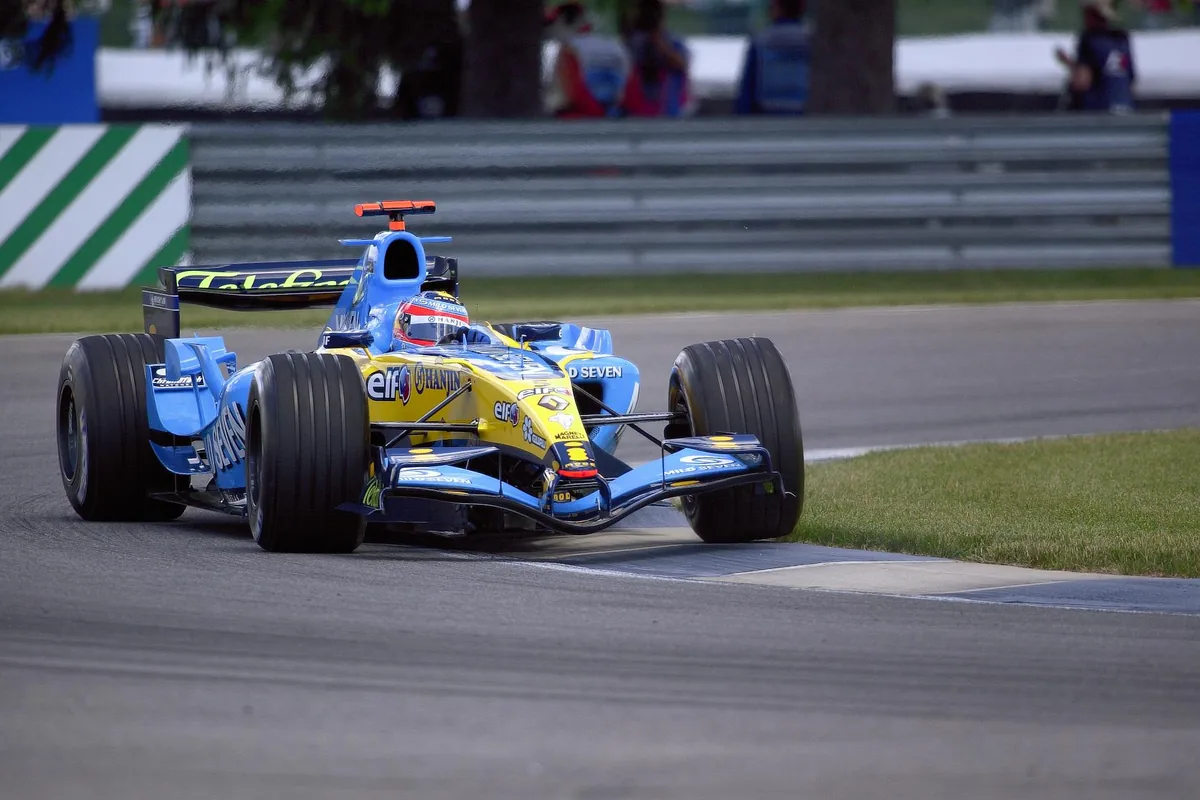
From Radio Waves to Ultra HD: The Evolution of British Grand Prix Broadcasting
The British Grand Prix at Silverstone is not just a race; it's a national sporting spectacle. How fans experience this spectacle has undergone a revolution, transforming from distant radio commentary to immersive, multi-angle Ultra HD broadcasts. The evolution of its broadcasting is a story of technological leaps, changing audience expectations, and the relentless pursuit of bringing the speed, strategy, and drama of Formula 1 into homes with ever-greater fidelity.
The Pioneering Era: Radio and Early Television
For the first decades of the British Grand Prix, the primary broadcast medium was radio. The crackling voice of a commentator describing the blur of cars to a static-filled audience was the only connection for the vast majority. Television's arrival was tentative. The BBC's first televised motor race was the 1949 British Grand Prix, a landmark event captured in primitive, low-definition black and white. Coverage was limited, often showing just a single corner or the start/finish straight. The viewer was a passive observer, reliant on the commentator's description to understand events unfolding beyond the narrow camera shot. This era was defined by scarcity—of cameras, of angles, and of live footage, making attendance at the circuit, as detailed in our Complete Guide to Silverstone Grandstands, the only way to grasp the full scale of the event.
The Colour Revolution and Expanding Coverage
The introduction of colour television in the late 1960s was a transformative moment. The vibrant liveries of teams like Lotus, Ferrari, and McLaren finally popped on screen, adding a new layer of identity and excitement. Broadcasters began to invest in more camera positions around the Silverstone track layout, allowing directors to cut between key corners like Copse, Maggotts, and Stowe. The iconic helicopter shot became a staple, providing a breathtaking sense of speed and scale. This period also saw the birth of more sophisticated graphics, with on-screen timings and position bars slowly becoming more reliable and informative, moving broadcasting from simple observation towards active race analysis.
The Satellite Age and the Rise of Dedicated Coverage
The 1980s and 1990s ushered in the satellite and cable era, which dramatically altered the broadcasting landscape. The launch of dedicated sports channels, most notably the BBC's partnership and later the rise of Sky Sports, allowed for expansive, wall-to-wall coverage. No longer confined to a two-hour race window, broadcasters could offer full weekend schedules: practice sessions, qualifying, pre-race build-up, and post-race analysis. The onboard camera, pioneered in the 1980s, became more robust and widespread, offering the visceral, driver’s-eye view that is now fundamental to the broadcast. This technology provided unprecedented insight into car control and the physical demands on drivers, complementing our analysis of Driver Fitness & Preparation for Silverstone's Demands.
Digital Innovation and Data Explosion
The turn of the millennium marked the beginning of the digital data revolution. Broadcast graphics evolved from simple timing towers to complex real-time data feeds. Viewers could now see live telemetry: gear selection, throttle and brake application, and speed traces. The creation of the F1 Digital+ service in the 2000s, though short-lived, previewed a future of multi-screen, data-rich interactivity. Broadcast teams grew to include former drivers and engineers as expert analysts, dissecting strategy and technique in a way previously only possible for insiders within the Silverstone pit lane.
The Modern Broadcast: Immersion, Interactivity, and Ultra HD
Today's British Grand Prix broadcast is a technological marvel. It is defined by several key pillars:
- Ultra High Definition & High Frame Rates: 4K (and experimental 8K) broadcasts with high frame rates deliver stunning, crystal-clear images where every detail of the car and track is visible, making the sense of speed almost palpable.
- Proliferation of Camera Angles: Dozens of cameras, including ultra-slow-motion, 360-degree rotating "helmet cams," and lipstick cams in the garage, offer total visual access. Broadcasts can seamlessly switch from a tight shot of a front-wing flexing to a panoramic view of a battle through Becketts.
- Advanced Data Visualization: Real-time tire wear predictions, battle forecasts, and live performance overlays turn viewers into armchair strategists. Graphics predict overtaking opportunities in DRS zones, a topic explored in our DRS Zone Effectiveness at Silverstone analysis.
- Fan-Controlled Elements: Through digital platforms, fans can sometimes choose their own onboard camera or audio feed, personalizing their viewing experience.
- Atmospheric Audio: Sophisticated microphone placement captures the layered soundscape: the hybrid power unit's whine, tire squeal, and crowd roar, creating an immersive audio experience.
The Role of Silverstone's Infrastructure
This broadcast complexity is enabled by world-class circuit infrastructure. Silverstone's dedicated Media Centre is a broadcasting hub, housing hundreds of commentators, producers, and technicians. The circuit is crisscrossed with fibre-optic networks capable of handling the immense data flow from cameras and sensors. Furthermore, Silverstone's commitment to sustainability initiatives extends to its broadcast operations, with efforts to reduce the carbon footprint of the vast temporary broadcast compound erected each year.
The Future: Virtual Reality and Beyond
The evolution is far from over. The next frontier is true immersive broadcasting. Virtual Reality (VR) experiences, already being trialed, promise to place fans virtually in the garage, on the pit wall, or even in the cockpit. Augmented Reality (AR) graphics could overlay car data directly onto the live track feed in a viewer's living room. The integration of artificial intelligence could provide automated highlights, instant driver performance analysis, and predictive race storytelling. As noted by the BBC's Research & Development team, remote production and cloud-based workflows will further revolutionize how these complex broadcasts are assembled and delivered globally.
The journey of British Grand Prix broadcasting, from the static of a radio to the immersive clarity of 4K VR, mirrors the advancement of the sport itself. Each technological step has shrunk the distance between the fan at home and the asphalt of Silverstone, ensuring that the drama, innovation, and sheer speed of this historic race are communicated with ever-increasing power and precision to a global audience of millions.