

Silverstone F1 Track Records: Lap Times & Stats
The relentless pursuit of speed is the very essence of Formula One. At the historic Silverstone Circuit, this pursuit is etched into every metre of tarmac, a story told not just in championship victories but in the fleeting, explosive moments where man and machine defy physics. Track records are more than mere numbers; they are chronological markers of technological evolution, aerodynamic revolutions, and driver brilliance. They provide a tangible link between eras, allowing us to compare the raw pace of different generations of cars at one of the sport's most demanding and revered venues. This guide delves into the definitive lap times and statistical milestones that define speed at the British Grand Prix, offering a comprehensive record of who has gone fastest, when, and under what conditions.
The Evolution of the Lap Record at Silverstone
The official lap record for a race lap at Silverstone is a title that has changed hands numerous times, reflecting the circuit's layout alterations and the dramatic progress in F1 car performance. It is crucial to distinguish between the outright fastest lap ever recorded during a Grand Prix weekend (which includes qualifying) and the official race lap record, which is set during the Grand Prix itself under fuel-heavy race conditions.
The current official race lap record at the Silverstone Circuit stands at 1:27.097, set by Lewis Hamilton driving for Mercedes-AMG Petronas in the 2020 British Grand Prix. This lap, achieved on the 52nd tour of the race, was particularly notable for occurring during a period of extreme tyre management, showcasing a blend of strategic pacing and explosive speed.
However, the outright fastest competitive lap of the current Silverstone layout belongs to Lewis Hamilton as well. During qualifying for the 2020 British Grand Prix, he secured pole position with a staggering time of 1:24.303. This time, set in the final moments of Q3, represents the absolute peak of single-lap performance seen at the track under the current aerodynamic regulations preceding the 2022 changes.
A Timeline of Significant Lap Records
Tracing the history of the lap record reveals the accelerating pace of development in Formula One.
1950s-1960s: The Foundation. Early records were set by legends like Jim Clark, whose mastery in the Lotus was unparalleled. Speeds were lower, but the challenge of the high-speed sweeps was immense. 1970s-1980s: The Ground Effect Era. The introduction of ground-effect aerodynamics in the late 70s and early 80s saw lap times plummet. Drivers like Nigel Mansell became synonymous with blistering pace at Silverstone, with his iconic battles etching new benchmarks. 1990s-2000s: The Rise of Aero and V10s. Increasing aerodynamic complexity and the screaming V10 engines of the era pushed speeds ever higher. The circuit underwent a significant redesign in 1991, and again with the creation of the new "Arena" loop in 2010, each resetting the record books. 2010-Present: The Hybrid Era. The introduction of the turbo-hybrid power units in 2014 brought immense torque and electrical deployment. Despite being heavier and initially less agile, these cars, through relentless development, have shattered all previous lap records. The current marks set by Hamilton are a testament to this era's technological zenith.
For a deeper understanding of the track's evolution and its challenging corners, our Silverstone F1 Track Guide provides a comprehensive corner-by-corner analysis.
Anatomy of a Record-Breaking Lap
To understand how these times are achieved, one must appreciate the specific technical demands of Silverstone. A record lap is a perfect symphony of power, downforce, and courage across its key sectors.
Sector 1: The High-Speed Commitment. From the start/finish line through Abbey and into the fearsome Becketts and Maggotts complex, this sector is about maintaining minimum speed through relentless, flowing corners. The car must be perfectly balanced to allow the driver to carry immense speed through these signature curves. Sector 2: The Technical Challenge. The loop from Stowe Corner through the Vale and into Club Corner requires a different skillset. Here, mechanical grip, traction, and precise braking are paramount. A strong exit from the slow-speed Club Corner is vital for the long run back to the start line. Sector 3: Power and Precision. The final blast from the exit of Club, through the flat-out Abbey kink, and into the new Wellington Straight and Brooklands complex demands sheer power and late, confident braking. Any time lost here is carried across the start/finish line.
The Copse Corner, taken at over 290 km/h in a modern F1 car, remains one of the ultimate tests of driver commitment and car stability, setting the tone for the entire lap.
Key Record Holders and Iconic Moments
While the stopwatch tells one story, the context behind the records tells another.
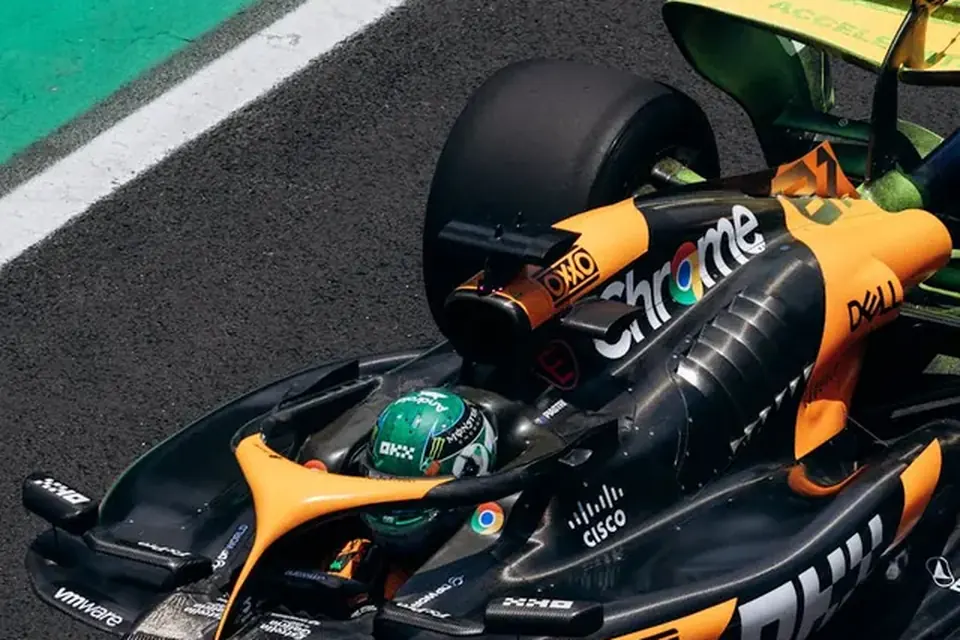
Lewis Hamilton: The most successful driver in the history of the British Grand Prix also holds its most significant speed records. His 2020 qualifying lap and race lap record are benchmarks of the hybrid era. His intimate knowledge of the track, having raced there since his karting days, is a key component of his success. Nigel Mansell: "Il Leone" owned Silverstone in the late 80s and early 90s. His record-setting pole position in 1991, and his iconic duel with Nelson Piquet in 1987, are etched into the track's folklore. His ability to extract every ounce of performance from the active suspension Williams cars was legendary. Jim Clark: The quiet Scot was devastatingly fast here. His dominance in the 1960s, including a win from pole by over a minute in 1967, showcased a level of superiority that defined an era. His smooth, precise style was perfectly suited to Silverstone's original fast sweeps.
These moments are part of the rich tapestry that makes up the circuit's history. For more fascinating details and terminology, explore our Silverstone Facts & Glossary.
Understanding the Data: Qualifying vs. Race Laps
When analysing track records, the distinction between qualifying and race laps is critical.
Qualifying Laps: These represent the absolute maximum performance of a car and driver. The car is run in a special low-fuel "qualifying mode," with engine and electrical deployment optimised for a single lap. Tyres are fresh, and the sole objective is peak speed. Hamilton's 1:24.303 is the pinnacle of this. Race Laps: The official race lap record is set under vastly different conditions. The car is heavy with fuel at the start, and tyres degrade over a stint. Records are often set later in the race when fuel loads are light, and a driver on fresh tyres can push. Strategy, traffic, and tyre management all play a role. This makes Hamilton's 2020 race lap record, set on worn hard compound tyres, a remarkable demonstration of sustained performance.
The Impact of Regulation Changes
FIA regulation changes are the primary forces that reset lap times. The 2017 rule changes, which made cars wider and more aerodynamically potent, led to an immediate and dramatic reduction in lap times at Silverstone. Conversely, the major 2022 regulations, designed to promote closer racing by reducing aerodynamic "dirty air," initially resulted in slightly slower lap times as teams adapted to the new ground-effect philosophy. However, as development progresses, these new-generation cars are now eclipsing the records set by their predecessors, demonstrating the relentless innovation within Formula One.
Practical Insights for Fans
For spectators, understanding these records enriches the on-track experience. During Qualifying: Listen for commentary on the "purple" sectors lighting up the timing screen. A driver going purple in Sector 1 through Becketts and Maggotts is on a potentially record-breaking lap. During the Race: Keep an eye on the "Fastest Lap" graphic. A driver pitting for fresh tyres in the final laps will often attempt to snatch the bonus point for fastest race lap, providing a thrilling mini-contest within the Grand Prix. * Historical Context: When a commentator mentions a driver is "on a pace that would have put them on pole a decade ago," it highlights the staggering rate of development. Use historical records as a yardstick to appreciate the modern spectacle.
Witnessing these records being challenged live is an unforgettable experience. To plan your visit, consult our essential Silverstone Race Tickets Buying Guide.
The track records at the Silverstone Circuit are a living history of Formula One. They are digital monuments to the bravery of drivers like Clark, Mansell, and Hamilton, and to the thousands of engineers who have honed their machines over decades. From the roar of the historic engines to the electric whine of the modern hybrids, each record lap captures a moment of perfection at one of motorsport's greatest theatres. As the British Racing Drivers' Club (BRDC) continues to steward this iconic venue, and as F1 continues to evolve, one certainty remains: the stopwatch will never stop, and the pursuit of the perfect lap at Silverstone will continue to define generations.
Explore more about the home of the British Grand Prix and its legendary history to fully appreciate the significance of every record-breaking moment.
Reader Comments (0)