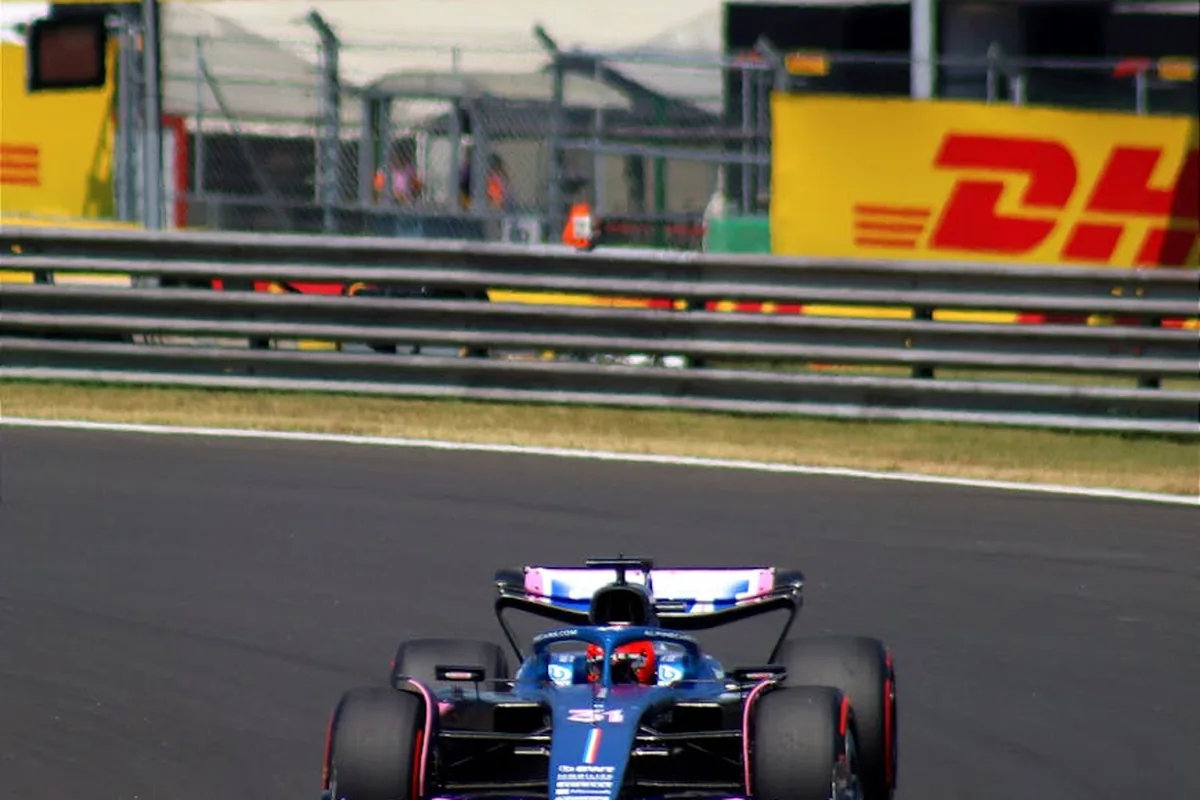
Rookie Debuts: Analyzing First-Time Performances at Silverstone
The Silverstone Circuit is a baptism by fire for any Formula 1 rookie. Its combination of high-speed sweeps, technical complexes, and capricious British weather creates a unique challenge that separates the promising from the unprepared. A driver's first Grand Prix at this historic venue is a critical test, often revealing their raw talent, adaptability, and mental fortitude. This analysis delves into what makes a successful rookie debut at Silverstone, examining the challenges, memorable performances, and the factors that dictate a newcomer's fate on this demanding track.
The Silverstone Challenge: Why It Tests Rookies Like No Other
Silverstone is not a circuit that allows drivers to ease into a rhythm. Its character is defined by relentless, high-energy corners that demand extreme commitment and precision. For a rookie, this presents a multi-layered challenge that goes beyond simply learning the racing line.
The Need for High-Speed Commitment
Corners like Copse, Maggotts, and Becketts are taken at staggering speeds, requiring absolute confidence in the car's aerodynamic grip. A rookie must quickly build trust in their machine and their own instincts, pushing to the limit while managing the delicate balance of a modern F1 car. Any hesitation or error in this section can lead to a significant lap time deficit or, worse, a high-speed incident. Understanding the Silverstone track layout and its corner-by-corner nuances is a fundamental first step in this process.
Mastering Unpredictable Conditions
Perhaps the most famous variable at Silverstone is its weather. Conditions can change rapidly, turning a dry setup into a liability within moments. For a rookie, managing this unpredictability is a colossal task. It involves interpreting changing track conditions, making real-time decisions on tyre choice, and adapting driving style—all while battling more experienced rivals who have faced these scenarios before. The impact of climate is so profound that we've detailed it in our guide on how weather affects racing at Silverstone.
Handling the Home Crowd Pressure
For British rookies like George Russell or Lando Norris, a debut at Silverstone carries the immense weight of home expectation. The roar of the crowd is both a motivator and a potential source of overwhelming pressure. Balancing the desire to perform for the fans with the need for a clean, points-scoring finish is a unique psychological hurdle. This dynamic is explored further in our analysis of home soil pressure for British drivers at Silverstone.
Memorable Rookie Debuts: Case Studies in Success and Struggle
History provides clear examples of how rookies have fared in their first British Grand Prix, offering lessons in what leads to a standout performance or a weekend to forget.
Standout Successes
Some drivers have announced their arrival at Silverstone with exceptional maturity. Lewis Hamilton, though not a rookie in 2007, delivered a masterclass in wet-dry conditions in 2008 to claim his first home victory, showcasing a skill set that many rookies lack. More recently, drivers like Charles Leclerc have secured strong points finishes on their first Silverstone outing, demonstrating an immediate ability to read the race and manage tyres on this abrasive surface. These performances often hinge on seamless teamwork and strategic clarity, elements highlighted in our feature on team radio strategy insights from Silverstone.
Baptisms by Fire
Conversely, Silverstone has also been a harsh teacher. The circuit's high-speed nature punishes mistakes severely. Rookies who overdrive, fail to respect the track limits at corners like Copse and Club, or misjudge the weather can quickly find themselves in the barriers or languishing at the back. These difficult debuts, however, are often formative experiences, forcing rapid learning and resilience. The circuit's design, including its extensive safety features and runoff areas, is engineered to protect drivers during these inevitable learning moments.
Keys to a Successful Rookie Weekend
Beyond raw speed, a successful debut at Silverstone for a rookie driver typically rests on several pillars.
- Simulator Work and Preparation: Extensive work in the team simulator is non-negotiable. Learning the gear shifts, braking references, and optimal lines for Silverstone's flowing sections before arriving at the track is a huge advantage.
- Engineering Collaboration: A rookie must effectively communicate with their engineering team to refine the car's setup. Finding a stable platform through the high-speed corners, while maintaining good slow-speed traction for the final sector, requires precise feedback.
- Tyre Management: Silverstone is notoriously tough on tyres. The high-energy corners generate immense heat and wear. A rookie must manage this over a stint, understanding how to preserve tyre life without losing too much time, a delicate balance even for veterans.
- Mental Composure: Staying focused amid the chaos of a packed race weekend, potential weather shifts, and the sheer speed of the circuit is paramount. Composure often trumps aggression when it comes to securing a solid result.
The Modern Landscape: Rookies in the Current Era
Today's rookies arrive at Silverstone better prepared than ever, thanks to advanced simulators and extensive junior formula testing. However, the challenge remains immense. The complexity of modern hybrid power units, intricate aerodynamics, and strategic tyre management add layers that rookies of past decades did not face. Furthermore, with limited in-season testing, free practice sessions become critically important. A rookie must maximize every lap to gather data and build confidence. The technical demands are dissected in resources like the FIA's official website, which governs the sport's technical regulations.
Ultimately, a rookie's debut at the British Grand Prix is a revealing benchmark. A strong performance at Silverstone signals a driver with the speed, intelligence, and resilience to succeed at the highest level. It is a weekend that demands respect for the circuit's history and challenges, a balance that the sport's future stars must learn to navigate. For further insight into the careers of young drivers, authoritative analyses can be found through outlets like Autosport.