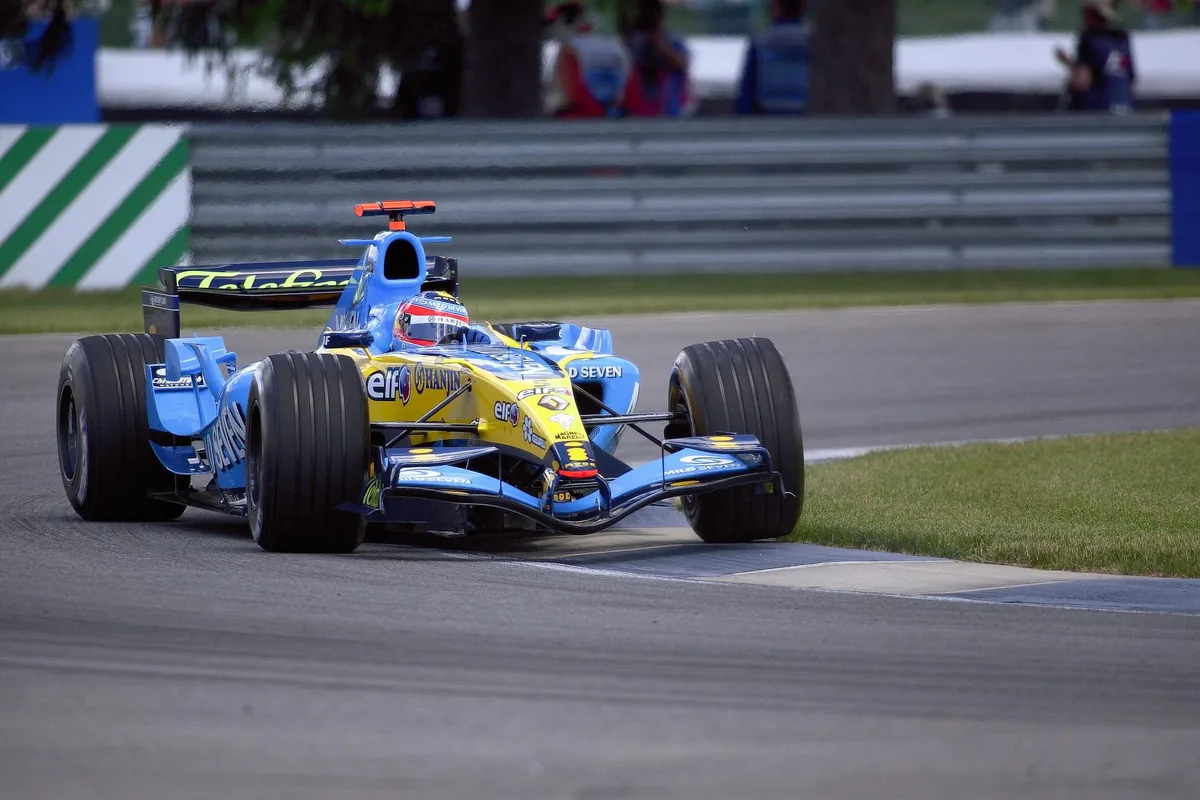
Silverstone Power Unit Performance: Engine Analysis
The Silverstone Circuit is a true power circuit. Its long, fast straights and sweeping, high-speed corners place immense demands on a Formula 1 car's power unit, making engine performance a critical differentiator for success at the British Grand Prix. Unlike tight, twisty tracks where mechanical grip and traction reign supreme, Silverstone rewards raw power, efficient energy deployment, and robust thermal management. This analysis delves into the specific demands Silverstone places on the modern hybrid power unit and how teams optimize this complex piece of engineering for one of the calendar's most iconic challenges.
The Anatomy of a Power Unit at Silverstone
A modern F1 power unit (PU) is a masterpiece of integration, comprising the internal combustion engine (ICE), turbocharger, Motor Generator Unit-Kinetic (MGU-K), Motor Generator Unit-Heat (MGU-H), and Energy Store (ES). At Silverstone, each component is pushed to its limit.
The Internal Combustion Engine must deliver sustained high-power output. With over 60% of the lap spent at full throttle, the ICE operates near its maximum capacity for extended periods, testing reliability and fuel efficiency. The MGU-H, which recovers energy from exhaust gases, becomes crucial here. Its ability to spool the turbocharger mitigates lag and maintains boost pressure through Silverstone's fast changes of direction, ensuring immediate power delivery out of corners like Copse and Maggotts.
Meanwhile, the MGU-K, harvesting energy under braking and deploying it as an extra 160+ horsepower boost, is strategically deployed. While heavy braking zones are fewer than at other tracks, the energy harvested from slowing for the complex at Brooklands and Luffield is vital. Deployment is typically maximized onto the long straights, such as the run from Chapel Curve down the Hangar Straight, to achieve peak straight-line speed for overtaking or defense. For a deeper understanding of the corners that define these power demands, read our Silverstone Track Layout: Corner-by-Corner Analysis.
Key Performance Challenges at the British GP
Mastering Silverstone requires teams to overcome several unique power unit challenges that directly impact race strategy and car setup.
Thermal Management and Cooling
Silverstone's high-speed nature means the power unit generates enormous heat with limited high-speed airflow for cooling, as the car is rarely in a straight line for long. Teams face a delicate compromise: open bodywork for more cooling increases drag, reducing top speed on the straights, while tighter bodywork risks overheating and potential engine failure. This balancing act is further complicated by variable British weather; a cool day offers a performance advantage, while a hot day forces conservative cooling setups. The impact of ambient conditions is profound, as detailed in our guide on How Weather Affects Racing at Silverstone.
Fuel Consumption and Energy Deployment Strategy
The high fuel flow rate required for sustained full-throttle sections makes Silverstone one of the most fuel-intensive races of the year. Engineers must calculate precise fuel loads, balancing the weight penalty of extra fuel against the risk of having to lift and coast at the end of the race. Furthermore, managing the deployment of the MGU-K's harvested energy is a strategic chess game. Drivers and engineers must decide where on the lap to use the precious 4MJ per lap allowance—whether to defend a position, attack into a braking zone, or ensure optimal exit from a specific corner to carry speed down a subsequent straight. This is intrinsically linked to broader Fuel Strategy Analysis for Silverstone Circuit.
Reliability Under Extreme Load
The continuous high-RPM operation places exceptional stress on every PU component, from pistons and crankshafts to the turbo and energy recovery systems. A single Grand Prix at Silverstone can be as punishing as several races at less demanding circuits. Manufacturers prioritize robustness in their Silverstone mappings, knowing that a DNF (Did Not Finish) here is often a result of pushing the PU beyond its sustainable limits. The quest for reliability is a constant evolution, mirroring the track's own development, which you can explore in How Silverstone Circuit Has Changed: Major Modifications Through History.
Historical Power Unit Evolution at Silverstone
The importance of engine power at Silverstone is etched into its history. The shift from the thunderous V10 and V8 eras to the complex hybrid turbo V6s in 2014 dramatically altered the performance profile. Earlier eras were about pure, unfiltered horsepower, with drivers wrestling high-powered beasts through the fast corners. The hybrid era added a layer of strategic complexity, where the management of electrical energy became as important as the combustion engine's output.
Lap times have continued to tumble, demonstrating the incredible efficiency gains of the hybrid units. According to the FIA, modern power units achieve over 50% thermal efficiency, a staggering figure compared to road cars. This means more of the energy from the fuel is converted into useful power, a factor that directly translates to performance over a demanding lap like Silverstone's. The relentless pursuit of speed is chronicled in the Silverstone Lap Record Evolution: How Times Have Improved Through Eras.
Team Strategies and Setup Optimizations
How do teams translate this technical understanding into a competitive package? Setup focuses on minimizing drag to maximize straight-line speed, which often involves running lower downforce wings. This places a greater emphasis on mechanical grip and power application to maintain speed through corners. The power unit's torque delivery and throttle maps are finely tuned to give the driver a predictable and responsive feel, especially through high-speed changes of direction where precise throttle control is critical.
During the race, engineers constantly monitor PU temperatures and fuel consumption, advising drivers on lift-and-coast points or changing energy deployment strategies in real-time based on the battle situation. The pit wall's role is pivotal, as seen in the insights from Silverstone Team Radio Communications: Strategy Revealed.
The Future: Sustainable Power and Performance
The future of power unit performance at Silverstone is inextricably linked to Formula 1's sustainability goals. The next generation of power units, scheduled for 2026, will feature increased electrical power and run on fully sustainable fuels. This evolution promises to maintain the spectacular performance levels Silverstone demands while aligning with the sport's environmental commitments. These initiatives reflect a broader movement at the venue itself, as seen in Silverstone's Sustainability Initiatives: Green Racing Future.
Furthermore, the constant drive for efficiency in F1 acts as a catalyst for road car technology. Innovations in turbocharging, energy recovery, and lightweight materials developed for the extreme environment of Silverstone eventually filter down to consumer vehicles, making them more powerful and efficient. For authoritative information on current F1 power unit regulations and their road-relevant technology, you can visit the official FIA Technical Regulations page. Additionally, detailed analyses of engine performance and efficiency are often published by specialist technical outlets like Racecar Engineering.
Conclusion
Silverstone remains the ultimate test of a Formula 1 power unit. Its unique blend of high-speed corners and long straights exposes every facet of PU performance, from outright horsepower and thermal resilience to sophisticated energy management. Success here is not just about having the most powerful engine, but about integrating it perfectly with the chassis, optimizing its deployment for the specific track layout, and managing its stresses over a grueling race distance. As both the cars and the circuit continue to evolve, the battle for power unit supremacy at the British Grand Prix will remain a central and fascinating technical narrative.