Ultimate Silverstone Photography Guide: Capturing the Action
Photographing the British Grand Prix at Silverstone is a thrilling challenge that combines technical skill with creative vision. The circuit’s high-speed corners, dramatic elevation changes, and passionate crowds offer endless opportunities for stunning motorsport imagery. Whether you're a seasoned photographer with a professional kit or a passionate fan with a smartphone, this guide provides the essential tips and knowledge to capture the essence of the Silverstone Grand Prix.
Essential Gear for Silverstone Photography
Your equipment choices will define your photographic possibilities. A DSLR or mirrorless camera with interchangeable lenses offers the most control. A versatile zoom lens, such as a 70-200mm f/2.8, is the workhorse for capturing cars on track, providing excellent reach and fast aperture for freezing motion. For tighter shots of cars in the distance or detailed driver close-ups, a 100-400mm or similar telephoto lens is invaluable. Don’t neglect a wider lens (24-70mm) for capturing the atmosphere, grandstands, and the sweeping scale of the venue. A monopod is highly recommended for stability during long sessions, and plenty of memory cards and batteries are non-negotiable. For smartphone photographers, invest in a telephoto attachment and use the manual/pro modes to control focus and shutter speed.
Mastering Camera Settings for High-Speed Action
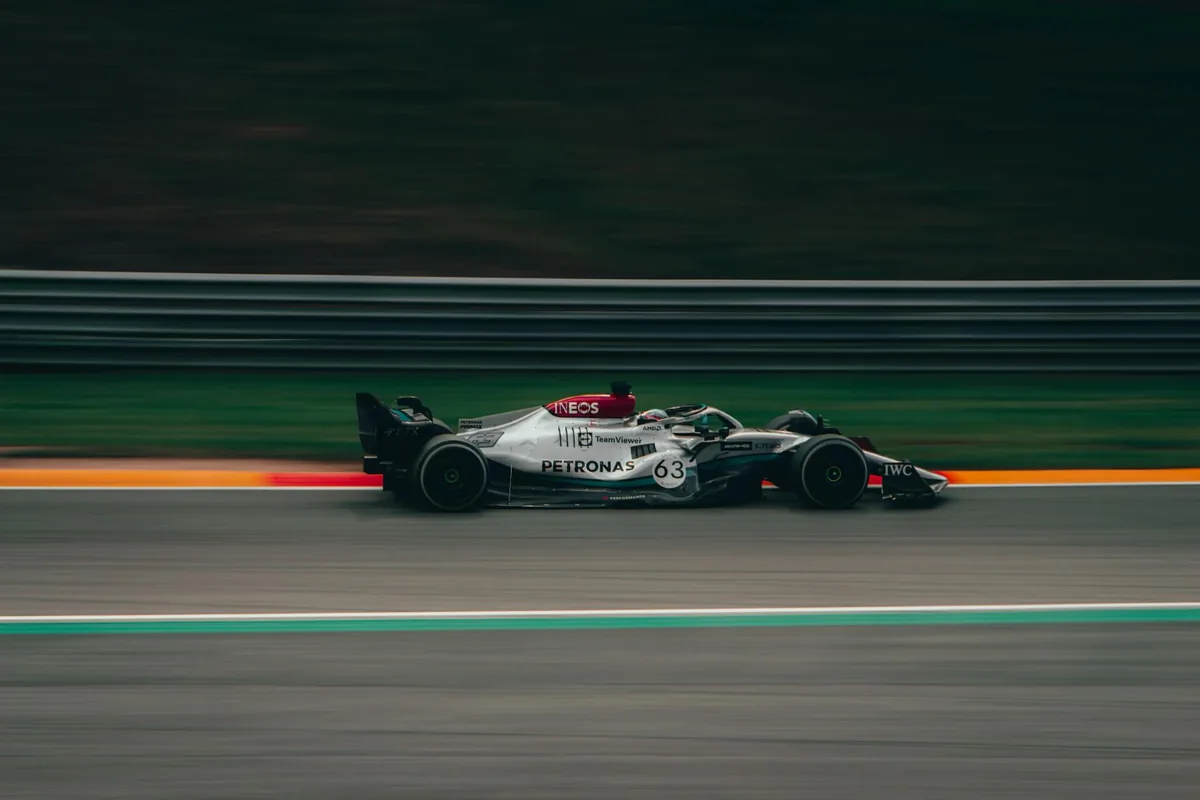
Freezing the blistering speed of a Formula 1 car requires precise settings. Start with Shutter Priority (S or Tv) mode to control motion. To freeze a car head-on, a shutter speed of 1/1000th of a second or faster is needed. For creative panning shots that blur the background and convey speed, slow your shutter to between 1/60th and 1/250th. Use continuous autofocus (AI-Servo for Canon, AF-C for Nikon/Sony) and select a dynamic autofocus area to track moving subjects. Keep your ISO as low as possible for clean images, but don’t hesitate to increase it in overcast conditions, which are common at Silverstone. For a deep dive into how the circuit's unique features affect car behavior, see our Silverstone Track Layout: Corner-by-Corner Analysis.
Strategic Locations: Best Photography Spots at Silverstone
Your position around the circuit is as crucial as your camera settings. General Admission ticket holders have fantastic flexibility. Key spots include:
- Becketts Complex: Capture cars navigating the iconic, high-speed sequence of corners. The elevation change here is dramatic.
- Stowe Corner (Outside): A classic spot for panning shots as cars slow down after the Hangar Straight, offering great overtaking opportunities.
- Wellington Straight: Position yourself near the fence for dramatic head-on shots as cars accelerate towards Brooklands.
- Village and The Loop: Excellent for low-angle shots and capturing cars under heavy braking and acceleration.
For grandstand ticket holders, research your view. Grandstands like Becketts, Stowe, and Club offer elevated, unobstructed perspectives. Our Choosing Your Seat: Complete Silverstone Grandstand Selection Guide provides detailed insights into sightlines and amenities.
Advanced Techniques: Panning and Capturing Emotion
Move beyond static shots. Panning is the art of tracking a moving subject with your camera during a slow shutter exposure. Practice is key: stand with your feet shoulder-width apart, twist your torso to follow the car, and press the shutter smoothly as it passes, continuing the motion afterwards. This technique renders the car sharply against a beautifully motion-blurred background. Also, remember to tell the full story. Point your lens at the crowds, the team personnel in the garages (if visible from your area), the pre-grid excitement, and the podium celebrations. These images capture the human emotion that defines the Grand Prix experience.
Navigating Rules, Weather, and Post-Processing
Always check the latest Photography Permissions: Rules and Guidelines for Silverstone before you go. Generally, personal photography is permitted, but commercial use of images or large professional rigs may require accreditation. Silverstone’s weather is famously changeable. Bright sunshine, rain, and dramatic clouds can all occur in one day. Use cloudy conditions to your advantage for even lighting and reduced shadows. In rain, protect your gear with waterproof covers and embrace the challenge of capturing spray and reflections. For a comprehensive understanding, read How Weather Affects Racing at Silverstone: A Complete Guide.
After the race, post-processing can enhance your shots. Use software like Adobe Lightroom to adjust exposure, sharpen details, and correct colors. Cropping can improve composition, turning a good shot into a great one. Remember, the goal is to enhance the moment you captured, not to create a false one.
Smartphone Photography and Sharing Your Work
Modern smartphones are powerful tools. Use burst mode to capture a sequence of shots and select the best one. Tap to focus on the car and adjust exposure by sliding your finger up or down. For panning, use the Live Photo feature on iPhone or a similar motion mode, which can often be converted into a long exposure effect. Share your best shots on social media using official event hashtags. For tips on connecting online, explore our Social Media Guide for Silverstone Grand Prix Fans.
Learning from the Pros and Continuous Practice
Study the work of professional motorsport photographers from agencies like Getty Images or Motorsport Images. Analyze their compositions, angles, and how they use light. Notice where they position themselves. Furthermore, understanding the sport enhances your photography. Knowing braking zones, overtaking spots, and team strategies helps you anticipate the action. Resources like the Fédération Internationale de l'Automobile (FIA) official site provide technical regulations and insights. For historical context on the circuit’s evolution, which can inform creative shots contrasting old and new, the official Silverstone website is an authoritative source.
Ultimately, the best Silverstone photography tip is to immerse yourself in the event. Be prepared, know your gear, scout your locations, and then let your passion for the sport guide your lens. From the roar of the engines to the cheer of the crowd, your photographs will be your personal, powerful record of the British Grand Prix.