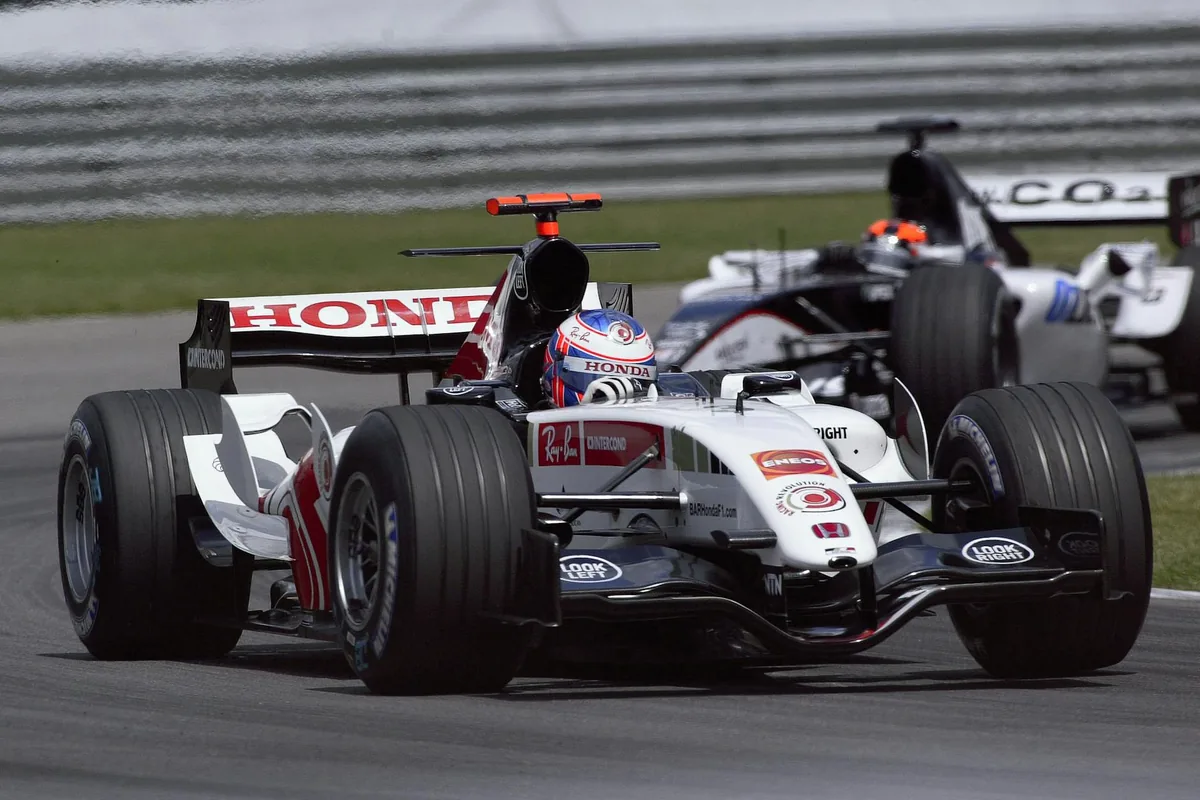
Safety First: Silverstone's Circuit Safety Features and Innovations
Silverstone Circuit stands as a global benchmark for motorsport safety, a reputation forged through decades of innovation and a relentless commitment to protecting drivers, teams, and spectators. As the home of the British Grand Prix, its evolution from a former Royal Air Force bomber station to a state-of-the-art F1 venue is a story of continuous safety advancement. This deep dive explores the sophisticated systems and physical infrastructure that make Silverstone one of the safest racing circuits in the world.
The Evolution of a Safety Culture
Silverstone’s safety journey is intrinsically linked to its major modifications through history. Following tragic incidents in motorsport's earlier eras, the circuit underwent significant redesigns. Key changes, such as the introduction of the Arena section and the reprofiling of high-speed corners like Bridge and Abbey, were driven by safety imperatives to reduce impact angles and lower cornering speeds. Each alteration to the track layout has been scrutinized through the lens of driver protection, creating a circuit that challenges skill while managing risk. This proactive approach to circuit design is a cornerstone of Silverstone's philosophy, ensuring it meets and often exceeds the stringent safety standards set by the Fédération Internationale de l'Automobile (FIA).
Track Infrastructure: Barriers, Run-Off, and Surface
The physical defenses of a circuit are its first line of protection. Silverstone employs a multi-layered approach:
Advanced Barrier Systems
Gone are the days of simple Armco barriers. Silverstone utilizes the latest FIA-homologated TecPro and SAFER barrier systems. These energy-absorbing barriers are designed to deform upon impact, dissipating kinetic energy and significantly reducing the G-forces transferred to the driver. Their strategic placement is calculated based on impact probability and vehicle speed at each specific location around the track.
Extensive Run-Off Areas
Modern Silverstone features vast asphalt and gravel run-off zones. These areas provide a crucial margin for error, allowing out-of-control cars to decelerate safely. The composition and gradient of these zones are carefully engineered; for instance, certain gravel traps are designed to "grab" wheels to slow cars, while paved run-offs allow for greater control during recovery. The management of these areas is a key part of daily circuit operations.
Optimized Track Surface
Safety extends to the very asphalt cars race on. Silverstone’s track surface is meticulously maintained to ensure consistent grip levels and effective drainage. The circuit's asphalt composition and maintenance routines are critical for preventing aquaplaning in wet conditions, a frequent challenge given the British climate. A smooth, predictable surface is fundamental to preventing loss of control in the first place.
Systems and Technology: The Digital Safety Net
Beyond physical structures, Silverstone is integrated with a network of advanced technological systems that monitor the circuit in real-time.
Race Control and Marshalling
The circuit's state-of-the-art Race Control centre is the nerve centre for safety during an event. Equipped with hundreds of high-definition cameras covering every inch of the track, officials can monitor incidents instantly. This is supported by a highly trained team of over 500 marshals, fire and rescue crews, and medical responders stationed at strategic points. Their coordination is rehearsed relentlessly, ensuring response times are measured in seconds, not minutes.
Medical and Emergency Response
Silverstone houses a fully equipped medical centre, accredited to the FIA's highest standard. It features two operating theatres, critical care facilities, and is staffed by specialist trauma doctors and paramedics throughout a race weekend. A dedicated medical helicopter is on permanent standby for immediate transfer to major hospitals. This capability was developed in partnership with the UK's National Health Service and sets the gold standard for trackside medical care globally. For more on global FIA safety standards, visit the Fédération Internationale de l'Automobile official site.
Weather Monitoring and Lighting
Given the notorious impact of weather on racing at Silverstone, the circuit employs a sophisticated weather radar system. This provides real-time data on rain cells, wind speed, and direction, allowing Race Control to make informed decisions on flag deployment and race starts. Furthermore, while not currently used for F1 night races, Silverstone's advanced lighting systems for other events ensure safe visibility, a testament to its all-weather safety preparedness.
Spectator Safety and Crowd Management
Protecting the hundreds of thousands of fans who visit each year is equally paramount. Silverstone's safety protocols for spectators are comprehensive. Grandstand designs are rigorously tested for structural integrity and offer clear, protected sightlines. Extensive pedestrian walkways, clearly signed emergency exits, and strategic placement of safety barriers separate crowds from operational areas. The circuit's comprehensive security and safety measures involve detailed risk assessments and close collaboration with local police and emergency services to manage large-scale events seamlessly. This holistic approach ensures a secure environment, whether you're in a grandstand or a general admission area.
The Future: Continuous Innovation
Silverstone’s commitment to safety is forward-looking. The circuit actively participates in research with the FIA, universities, and engineering firms to develop next-generation safety solutions. This includes exploring new materials for barriers and helmets, advanced biometric monitoring for drivers, and even AI-assisted systems in Race Control to predict potential incident hotspots. This drive for improvement mirrors the circuit's broader vision, which also encompasses significant sustainability and environmental initiatives.
From its physical architecture to its digital heartbeat, Silverstone Circuit embodies the principle that in motorsport, speed and safety must advance together. Its layered approach—combining decades of track modification wisdom with cutting-edge technology and rigorous operational procedures—creates a sanctuary for high-speed competition. It is this unwavering dedication to protection that allows drivers to push the limits and fans to enjoy the spectacle, confident that safety always comes first.