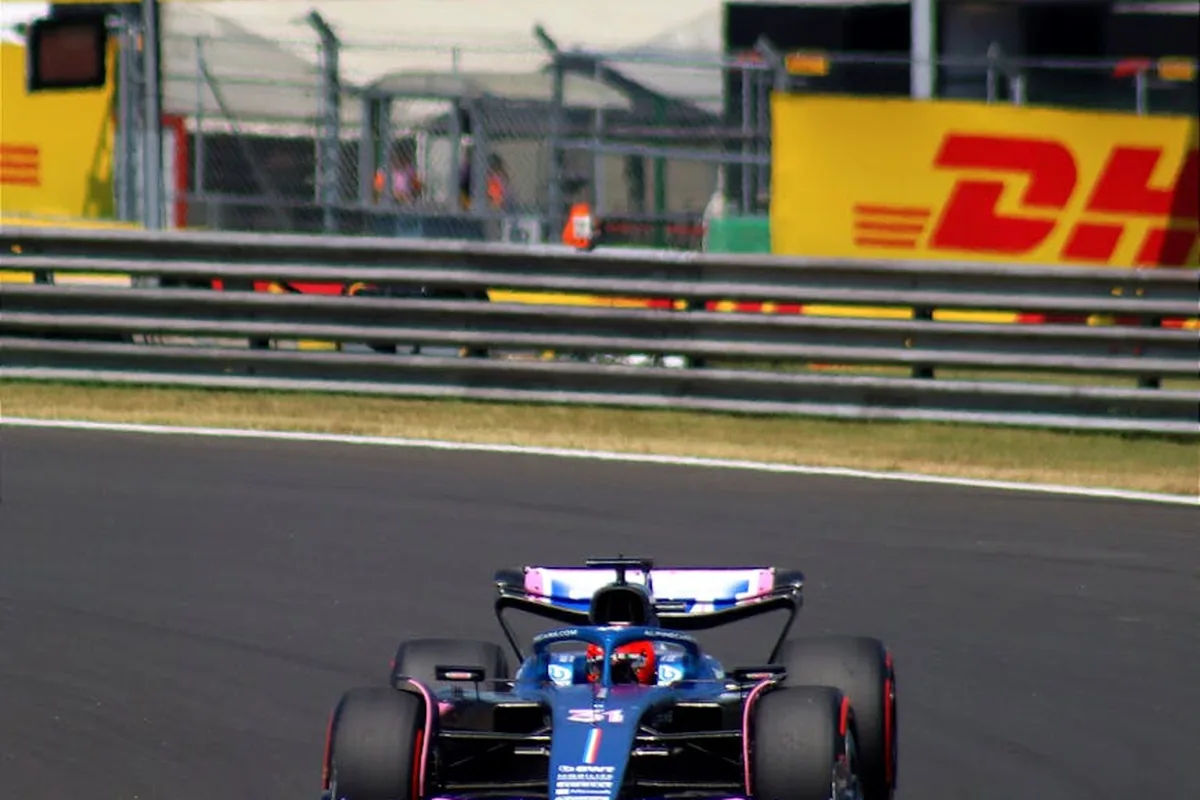
Ultimate Photography Guide for Silverstone Grand Prix
Capturing the speed, drama, and atmosphere of the British Grand Prix at Silverstone is a thrilling challenge for any photographer. Whether you're a seasoned pro with a telephoto lens or a fan with a smartphone, this guide provides the essential techniques, locations, and tips to help you bring home stunning images from one of the world's most iconic racing circuits.
Essential Gear for Silverstone Photography
Your equipment choices will significantly impact your results. While professional gear offers flexibility, great shots are possible with more modest setups.
Cameras and Lenses
A DSLR or mirrorless camera with interchangeable lenses is ideal. For capturing cars on track, a telephoto lens (70-200mm f/2.8 or 100-400mm) is crucial. A wider lens (24-70mm) is perfect for atmospheric shots of crowds, grandstands, and the expansive circuit scenery. Don't underestimate a smartphone; its versatility is excellent for wide-angle panoramas and quick social media snaps.
Support and Accessories
A monopod is highly recommended. It stabilizes heavy telephoto lenses for sharper panning shots while allowing you to move quickly. Pack plenty of memory cards and batteries—shooting in burst mode drains power. A clear protective filter for your lens is wise against unexpected spray or dust. Finally, comfortable, weather-appropriate clothing is non-negotiable; you'll be on your feet for hours. For a deeper understanding of the track you'll be shooting, our Silverstone Track Layout: Corner-by-Corner Analysis is an invaluable resource.
Mastering Camera Settings for Racing
Freezing 200mph machines requires specific settings. Start with Shutter Priority (Tv or S) mode to control motion.
- Panning for Motion Blur: Use a slower shutter speed (1/60th to 1/250th). Track the car smoothly as it passes, pressing the shutter while continuing the motion. This keeps the car relatively sharp while blurring the background and wheels, creating a powerful sense of speed.
- Freezing the Action: For crystal-clear detail, use a very fast shutter speed (1/1000th or faster). This is excellent for capturing aerodynamic details, driver helmets, and sprays of sparks.
- Aperture and ISO: Use a wide aperture (low f-number like f/2.8 or f/4) to isolate your subject. Set ISO to Auto, with a maximum limit (e.g., ISO 6400) to manage noise. Use continuous autofocus (AI-Servo or AF-C) with a dynamic area mode to track moving subjects.
Best Photography Locations Around the Circuit
Your vantage point defines your shot. Silverstone offers diverse perspectives, each with a unique character.
Grandstand Views
Grandstands offer elevated, secure sightlines. Key spots include Becketts Complex for incredible sequences of cars changing direction, and the Wellington Straight for high-speed passes and DRS action. Research your seat view in our Choosing Your Seat: Complete Silverstone Grandstand Selection Guide.
General Admission Hotspots
General Admission ticket holders have fantastic mobility. The inside of Copse Corner (at Luffield) provides a view of cars accelerating onto the National Straight. The banking at Becketts offers a panoramic view of the complex. The area around the Wellington Straight, particularly near the entry to Brooklands, is excellent for overtaking shots. Remember, the best spots fill early.
Atmospheric and Behind-the-Scenes Shots
Don't just point at the track. Capture the event's essence: fans celebrating, team radio communications, the pre-grid buzz, and the iconic Silverstone Wing. The fan zones and historic displays offer colorful, human-scale subjects. For insights into the operational heart of the event, explore our feature on the The Media Centre: Silverstone's Press Hub.
Advanced Techniques: Panning and Composition
Beyond settings, technique is king. Practice panning before the race starts with support vehicles. Follow through with your entire upper body, not just your arms. Place the car using the rule of thirds—don't always center it. Include context: a sliver of iconic grandstand, a trackside board, or a crowd reaction adds narrative. Capture emotions in the stands; the joy, tension, and disappointment tell the full story of race day.
Weather and Lighting Challenges
British weather is famously unpredictable, dramatically altering lighting conditions and racing dynamics. Overcast skies provide soft, even light ideal for capturing details without harsh shadows. Bright sun creates contrast and highlights liveries but can cause deep shadows. Rain, while challenging, offers dramatic opportunities for spray, reflections, and emotional crowd shots. Always protect your gear with waterproof covers. Understanding how conditions change the race can inform your photography; learn more in Weather at Silverstone: How Conditions Affect the Race.
Practical Tips and Etiquette
Respect ensures a great experience for everyone. Never use a flash, as it can distract drivers. Be mindful of spectators behind you; avoid blocking views for prolonged periods. Follow all circuit rules and staff instructions, especially regarding restricted areas. For a full list of what you can and cannot bring, consult our Prohibited Items: What Not to Bring to Silverstone. Stay hydrated, wear ear protection, and most importantly, enjoy the moment between shots. The roar of the engines and the crowd's energy are part of the memory you're capturing.
Post-Processing and Sharing Your Work
Editing can enhance your shots. Use software like Adobe Lightroom or Luminar to adjust exposure, boost colors, and sharpen details. A slight crop can improve composition. When sharing online, tag Silverstone Circuit and use relevant hashtags (#BritishGP, #Silverstone). Consider submitting your best work to photography communities like DPReview for feedback.
Photographing the Silverstone Grand Prix is an unforgettable experience that blends technical skill with creative vision. By preparing your gear, scouting locations, and practicing key techniques, you’ll be ready to capture the breathtaking speed and electric atmosphere that defines this historic event. Now, charge those batteries and get ready to shoot.