Historic Car Displays at Silverstone: Racing Heritage
Silverstone Circuit is more than just the venue for the annual British Grand Prix; it is a living museum of motorsport history. The historic car displays that grace the circuit during major events are a cornerstone of the fan experience, offering a tangible connection to the legends, machines, and eras that have defined racing. These exhibitions transform the venue into a celebration of engineering evolution and sporting bravery, providing context to the modern spectacle unfolding on the same hallowed tarmac.
Where to Find the Historic Displays
Historic car exhibits are strategically located around the Silverstone complex to maximize accessibility for fans. The primary hub is often within the Silverstone Interactive Museum, which houses a permanent collection of iconic vehicles. During the British Grand Prix weekend and other major events like the Silverstone Classic, these displays expand significantly. Pop-up exhibitions and curated paddocks dedicated to historic racing series appear in the fan zones, behind the main grandstands, and within the Paddock Club hospitality areas. For a comprehensive guide to navigating these areas, our Complete Guide to Silverstone Grandstands details the best vantage points and nearby amenities.
Key Exhibition Areas
- The Silverstone Interactive Museum: Home to the core permanent collection, featuring cars from the circuit's inception.
- Heritage Paddocks: Temporary enclaves during event weekends where historic race cars are prepared and displayed by their owners and clubs.
- Fan Zone Exhibits: Curated displays focusing on specific themes, such as a marque's anniversary or a legendary driver's career.
- Promotional Displays: Often found in the Silverstone Fan Zones, these are set up by sponsors or automotive brands to showcase their racing heritage.
A Journey Through Racing Eras
The historic displays at Silverstone offer a chronological journey, telling the story of how automotive and racing technology has progressed. Walking through these collections is akin to flipping through the pages of a dynamic history book.
The Pioneering Years (1940s-1950s)
This section often features the raw, minimalist machines from Silverstone's early days as a Grand Prix venue. Visitors can see the kinds of cars that competed in the inaugural 1950 World Championship race, such as Alfa Romeo 158s or ERA chassis. These cars, with their slender tires and exposed mechanics, highlight the incredible skill and courage of the post-war drivers. Understanding the circuit's original form adds depth; learn about its origins in our article on Silverstone's History of Construction and Major Renovations.
The Golden Age of Innovation (1960s-1970s)
This era is a fan favourite, showcasing the rise of aerodynamic wings, powerful Cosworth DFV engines, and iconic liveries. Displays might include Lotus 49s, Ferrari 312s, and the legendary six-wheeled Tyrrell P34. These cars represent a period of rapid technological experimentation and fierce rivalries, such as those detailed in our feature on The 1970s Golden Era of Racing.
The Turbocharged and Electronic Eras (1980s-1990s)
Here, the machinery becomes visibly more sophisticated. The displays feature the ground-effect pioneers of the early '80s, the monstrous turbocharged cars of the mid-80s, and the increasingly electronic-dependent cars of the 1990s. McLaren's dominant MP4/4 or the active-ride Williams FW14B are typical stars, illustrating the shift from purely mechanical to computer-aided engineering.
Modern Classics (2000s-Present)
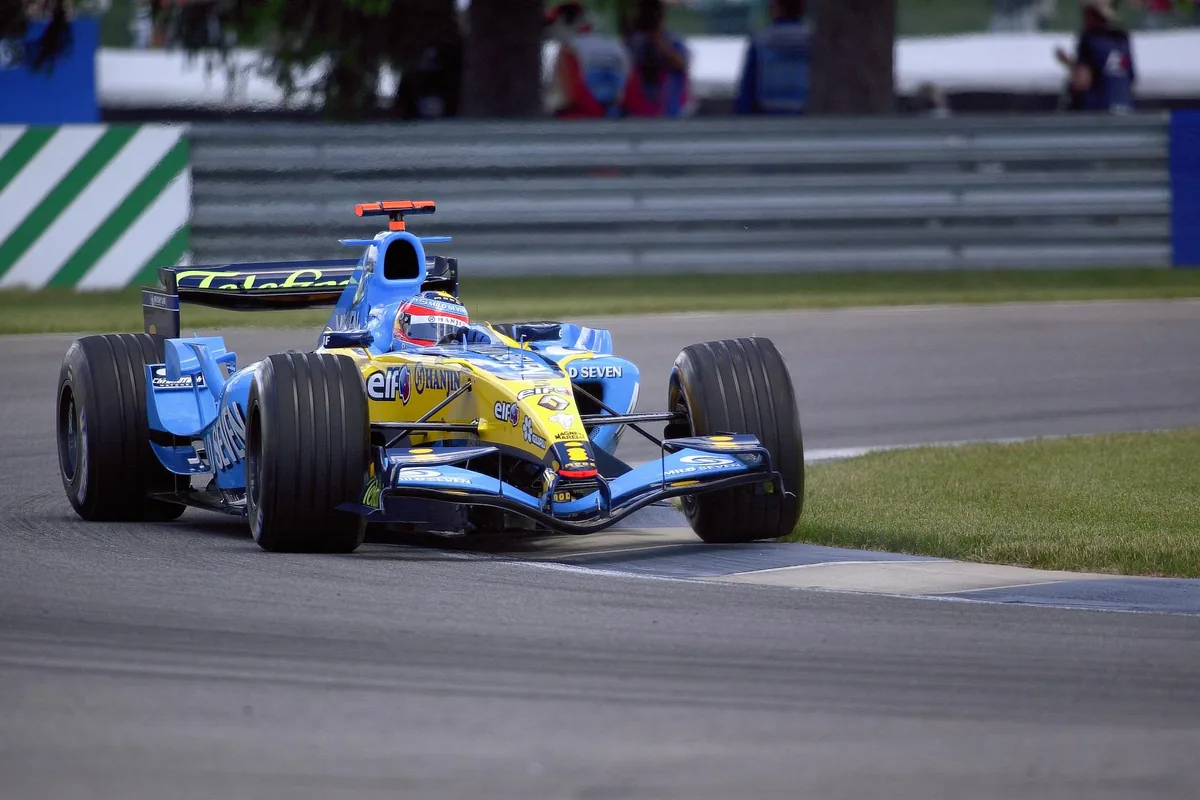
Even cars from the last two decades are now considered "historic." Displays may include V10-powered masterpieces from the early 2000s or the first hybrid-era cars, allowing fans to appreciate the recent evolution in chassis design and energy recovery systems. This connects directly to the technical revolution of the Hybrid Era at the British Grand Prix.
More Than Static Exhibits: Living History
What sets Silverstone apart is that many of these historic cars are not merely static displays. During events like the Silverstone Classic, they are fired up and driven on the circuit. The sight and sound of a 1960s Ferrari V12 or a 1970s Formula One car screaming through Copse Corner is an unforgettable sensory experience that no museum glass case can replicate. This "living history" approach is central to Silverstone's mission of preserving and celebrating racing heritage in an active, engaging way.
These demonstrations also provide a stark, visceral contrast to modern Formula One cars, highlighting the incredible advances in safety features and innovations over the decades. The evolution of the cars is inextricably linked to the evolution of the circuit itself, as explored in our analysis of How Silverstone Circuit Has Changed Through History.
Themed Displays and Special Exhibitions
Beyond the chronological march, Silverstone frequently hosts themed displays that delve into specific narratives. These can include:
- Marque Anniversaries: Celebrating a specific manufacturer's history, such as McLaren's 60th anniversary or Williams' heritage, which we examine in Williams' Legacy at Silverstone.
- Driver Tributes: Collections of cars associated with British legends like Jim Clark, Jackie Stewart, or Lewis Hamilton, whose record is analyzed in Lewis Hamilton's Record-Breaking Performances at Silverstone.
- Technical Themes: Exhibits focusing on a particular innovation, such as the evolution of aerodynamics or tyre technology.
Planning Your Visit
To make the most of the historic car displays, planning is key. Check the official Silverstone website or event program for specific locations and schedules of special exhibitions and demonstration runs. Allocating time to visit the Silverstone Interactive Museum is essential for any motorsport enthusiast. For a seamless experience, consult our guide to Silverstone Circuit Tours and Behind-the-Scenes Experiences, which often include access to restricted heritage areas.
Remember, these displays are a core part of Silverstone's identity. They root the cutting-edge action of the modern Grand Prix in a rich, storied past, reminding every visitor that they are standing on ground consecrated by generations of racing heroes. For a deeper dive into the complete story of this iconic venue, start with our Complete Guide to the British Grand Prix Venue.
To explore the global context of historic racing preservation, authoritative organizations like the Fédération Internationale de l'Automobile (FIA) oversee many historic racing regulations. Furthermore, institutions like the National Motor Museum at Beaulieu in the UK collaborate with circuits like Silverstone to preserve and showcase automotive heritage for the public.