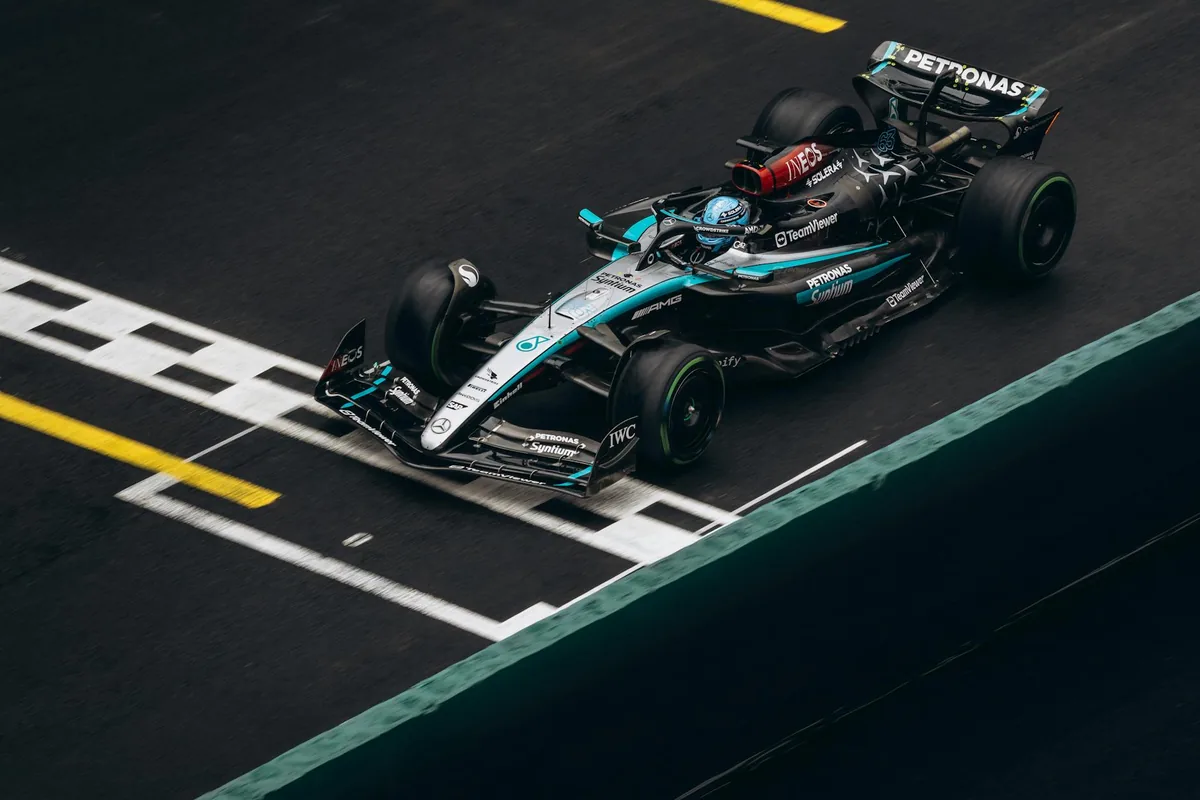
Gearbox Performance Analysis for Silverstone Circuit
The Silverstone Circuit is a unique crucible for Formula 1 machinery, demanding peak performance from every component. While aerodynamics, power units, and tyres often dominate technical discussions, the gearbox is a critical, unsung hero. Its performance at Silverstone is a decisive factor in achieving a fast lap and a successful race. This analysis delves into the specific demands placed on an F1 gearbox at the British Grand Prix, examining shift patterns, durability, and how it integrates with overall car strategy.
The Demands of the Silverstone Layout
Silverstone’s high-speed, flowing nature creates a distinctive gearbox workload. The circuit is characterized by long, full-throttle blasts punctuated by a series of complex, high-G corners that require precise downshifting and rapid acceleration. Unlike tighter, stop-start tracks, Silverstone sees drivers spend over 70% of a lap at full throttle, placing immense stress on gearbox internals and lubrication systems. The sequence from Copse through Maggotts and Becketts to Chapel is a brutal test of lateral stability and sequential shifting, where milliseconds lost in a gear change can compound into a significant time deficit on the Hangar Straight.
For a deeper understanding of the track's specific challenges, our Silverstone Track Layout: Corner-by-Corner Analysis provides essential context for these technical demands.
Shift Patterns and Ratio Selection
Gear ratio selection for Silverstone is a meticulous balancing act. Engineers must optimize for the circuit’s extreme speed range—from approximately 60 km/h in the slowest part of the complex to over 330 km/h on the Wellington Straight. The primary goal is to ensure the engine operates within its optimal power band through every critical corner exit.
Key Gearbox Stress Points
- Copse Corner (Turn 9): Taken at nearly 290 km/h in 7th or 8th gear, this high-speed corner requires immense confidence and a stable gearbox. Any instability during the sustained lateral load can upset the car’s balance.
- Maggotts-Becketts-Chapel Complex: This is the ultimate gearbox workout. Drivers perform a rapid series of downshifts and upshifts while under extreme lateral forces. The gearbox must handle these shifts flawlessly while the differential manages traction.
- Vale and Club Complex (Turns 16-18): The final sector demands aggressive downshifting into low-speed corners followed by hard acceleration. The gearbox must cope with high torque loads as drivers get back on the power.
The evolution of the circuit has directly influenced these patterns. Learn more about how the track has been modified in our article, How Silverstone Circuit Has Changed: Major Modifications Through History.
Durability and Thermal Management
A British Grand Prix weekend is a marathon for the gearbox. Formula 1 regulations mandate that each gearbox cassette must last six consecutive events, making durability paramount. Silverstone’s high-speed nature generates significant frictional heat within the gearbox and differential. Effective cooling is non-negotiable; teams employ intricate oil cooling systems and carefully manage airflow to bodywork outlets to maintain optimal operating temperatures.
Furthermore, the infamous Silverstone weather adds another layer of complexity. A sudden rain shower can dramatically cool the gearbox, but also introduces the risk of ingesting water. Teams must monitor temperatures closely and may adjust cooling configurations based on real-time forecasts to prevent thermal shock or performance loss.
Integration with Overall Car Strategy
The gearbox does not operate in isolation. Its performance is intrinsically linked to the engine, differential, and chassis setup. The seamless shift system, which allows for near-instantaneous gear changes without interrupting torque delivery, is crucial for maintaining momentum through Silverstone’s fast corners. The differential settings, controlled electronically via the gearbox, determine how power is applied to the rear wheels, affecting traction out of slow corners like The Loop (Turn 7) and Luffield (Turn 14).
This integration extends to race strategy. A reliable gearbox enables aggressive in-lap and out-lap pushes during pit stops, which can be decisive given the high probability of safety cars and variable conditions. For insights into the operational hub where these strategic decisions are made, explore Inside Silverstone's Pit Lane: Operations and Technology.
Technological Evolution and Future Trends
Gearbox technology at Silverstone has evolved dramatically. The shift from manual H-pattern to semi-automatic sequential gearboxes in the early 1990s, and then to today’s ultra-reliable, millisecond-shifting units, has directly contributed to ever-faster lap times. Modern gearboxes are marvels of precision engineering, using advanced materials like carbon composite casings and titanium internals to save weight while withstanding colossal forces.
Looking ahead, the integration of hybrid power units adds complexity. The MGU-K (Motor Generator Unit – Kinetic) interfaces directly with the gearbox, harvesting energy under braking and deploying it under acceleration. Managing this power flow seamlessly through the gear changes is a key performance differentiator. The relentless pursuit of efficiency also drives research into reduced-friction bearings and advanced lubricants, all aimed at minimizing power loss through the transmission system.
For a broader look at the engineering behind the scenes, our feature on Silverstone Circuit: Engineering Marvels Behind the Scenes offers further reading.
Conclusion: The Unsung Performance Pillar
At the Silverstone Circuit, where victories are often measured in tenths of a second, every component must perform at its absolute limit. The gearbox is a cornerstone of this performance, translating the engine’s power into forward motion with unerring precision and reliability. Its ability to handle the unique high-speed, high-load demands of the British Grand Prix, while seamlessly integrating with the car’s hybrid systems and overall strategy, makes it a true engineering masterpiece. As teams analyze data and push the boundaries of technology, the gearbox will remain a critical, if understated, factor in determining who stands atop the podium at this historic venue.
For authoritative technical information on Formula 1 powertrain regulations and technology, the FIA Technical Department provides official documentation. Additionally, detailed analyses of transmission systems in motorsport can be found through resources like the SAE International library.