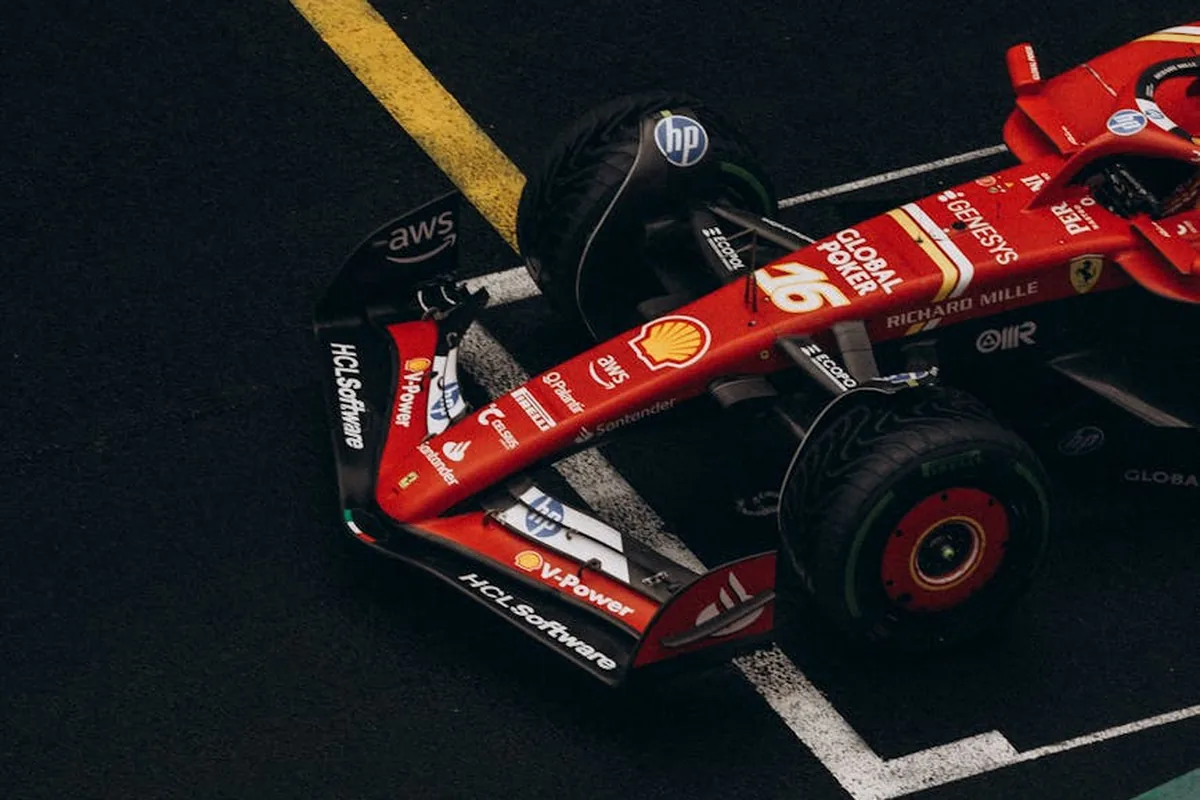
British Grand Prix Team Testing and Practice Session Updates
The roar of engines returning to Silverstone for the British Grand Prix weekend is preceded by a critical, data-rich whisper: team testing and practice sessions. These hours on track are where championships can be shaped, as teams refine their machines, validate simulations, and finalize strategies for one of the calendar's most demanding circuits. This guide provides the latest insights and analysis on what teams are focusing on during their crucial track time at Silverstone.
The Critical Role of Practice at Silverstone
Silverstone’s unique combination of high-speed sweeps, heavy braking zones, and variable weather makes pre-race practice indispensable. Unlike street circuits, Silverstone is a pure test of aerodynamic efficiency and driver courage. Teams arrive with terabytes of simulation data, but only real-world running can confirm their setups. The three practice sessions (FP1, FP2, and FP3) serve distinct purposes. FP1 is often a systems check and baseline data gathering, sometimes with rookie drivers. FP2, held in the afternoon and most representative of qualifying and race conditions, is the key session for performance runs and long-run tire analysis. FP3 serves as a final tune-up before the intensity of qualifying.
Understanding the Silverstone track layout corner-by-corner is essential to appreciate the specific challenges teams face during these sessions. From the complex load through Maggotts and Becketts to the overtaking opportunities into Stowe and Vale, each sector demands a precise car balance.
Key Focus Areas for Teams During Testing
During practice, engineers and drivers concentrate on several interconnected performance parameters. The outcome of these tests directly informs race strategy and car setup.
Aerodynamic Configuration and Downforce Levels
Silverstone is one of the most aerodynamically demanding tracks of the season. Teams experiment with different wing levels during practice—a higher downforce setup provides more grip through the fast corners but reduces straight-line speed. Finding the optimal compromise is critical. Teams analyze sector times meticulously to see where their car gains or loses time with each configuration. The effectiveness of the DRS zones, particularly on the Wellington and Hangar Straights, is also a major point of study during practice runs.
Tire Management and Strategy Simulation
Pirelli’s tire compounds face severe loads at Silverstone. Practice sessions are vital for teams to understand tire degradation over long runs. They conduct race simulations with varying fuel loads to predict pit stop windows and compound performance. The graining on the front-left tire, especially through Copse and Maggotts, is closely monitored. This data forms the backbone of Sunday's Silverstone tyre strategy. Teams also assess the performance gap between compounds to decide qualifying approach and race start tactics.
Power Unit and Brake System Endurance
The full-throttle percentage at Silverstone is exceptionally high, placing immense strain on hybrid power units. Practice is used to verify energy deployment maps and harvest strategies for the race. Equally critical is brake cooling. The succession of high-speed stops, particularly into the complex of Village, The Loop, and Aintree, can lead to severe brake fade. Teams test different cooling solutions and brake balance migrations to ensure reliability over a race stint.
How External Factors Influence Practice Data
Interpreting practice times requires context, as several variable factors can skew the data. The most significant is track evolution. A "green" track in FP1 offers little grip, with lap times dropping significantly as more rubber is laid down. This makes direct comparisons between early and late sessions misleading. Furthermore, teams often run different fuel loads for tactical reasons, obscuring their true single-lap pace.
Nothing is more disruptive than Silverstone's famed changeable conditions. A session can start dry and end wet, or vice-versa. Teams must be agile, switching focus from performance runs to wet tire understanding in moments. The impact of weather on racing at Silverstone is profound, and practice data from mixed conditions, while less useful for outright pace, is invaluable for understanding crossover points and tire behavior in the damp.
Wind direction and strength are also major players. A strong crosswind through Becketts or a headwind on the pit straight can alter car balance and braking points dramatically from one day to the next. Teams spend considerable practice time mapping these effects.
Interpreting the Timesheets: What Matters Most
While the headline practice order generates speculation, insiders look deeper. The most telling practice data often comes from race-simulation long runs, where consistent pace and tire wear are more revealing than a single flying lap. Sector time analysis can show which teams are strong in the high-speed first sector versus the more technical final sector. Additionally, team radio communications during practice, often broadcast, can reveal issues with car balance, engine modes, or specific concerns about certain corners. For a deeper look at this, explore our analysis of Silverstone team radio communications and strategy.
It's also wise to note which teams are focusing on low-fuel qualifying simulations versus high-fuel race runs. A team topping FP2 on soft tires may look strong, but if they achieved that while others were focused on heavy-fuel running, the picture can change dramatically by Saturday.
Looking Ahead: The Evolution of Testing
The format and technology of Formula 1 testing are constantly evolving. The reduction in-track testing has made practice sessions even more data-critical. Teams now rely heavily on advanced simulation tools and driver-in-the-loop simulators to prepare. However, as the FIA's official website outlines, sporting regulations strictly govern testing to control costs, making every practice minute precious. Furthermore, innovations in real-time data analytics allow engineers to process information from the car instantly, making setup changes between sessions more targeted than ever.
In conclusion, the practice sessions at the British Grand Prix are a complex, high-stakes technical ballet. The updates gleaned from these hours define the competitive narrative for the weekend. For fans, understanding this process adds a rich layer of appreciation for the strategic battle that unfolds long before the lights go out on Sunday. To see how the circuit itself has been modified to meet modern demands, read about the major modifications to Silverstone through history.