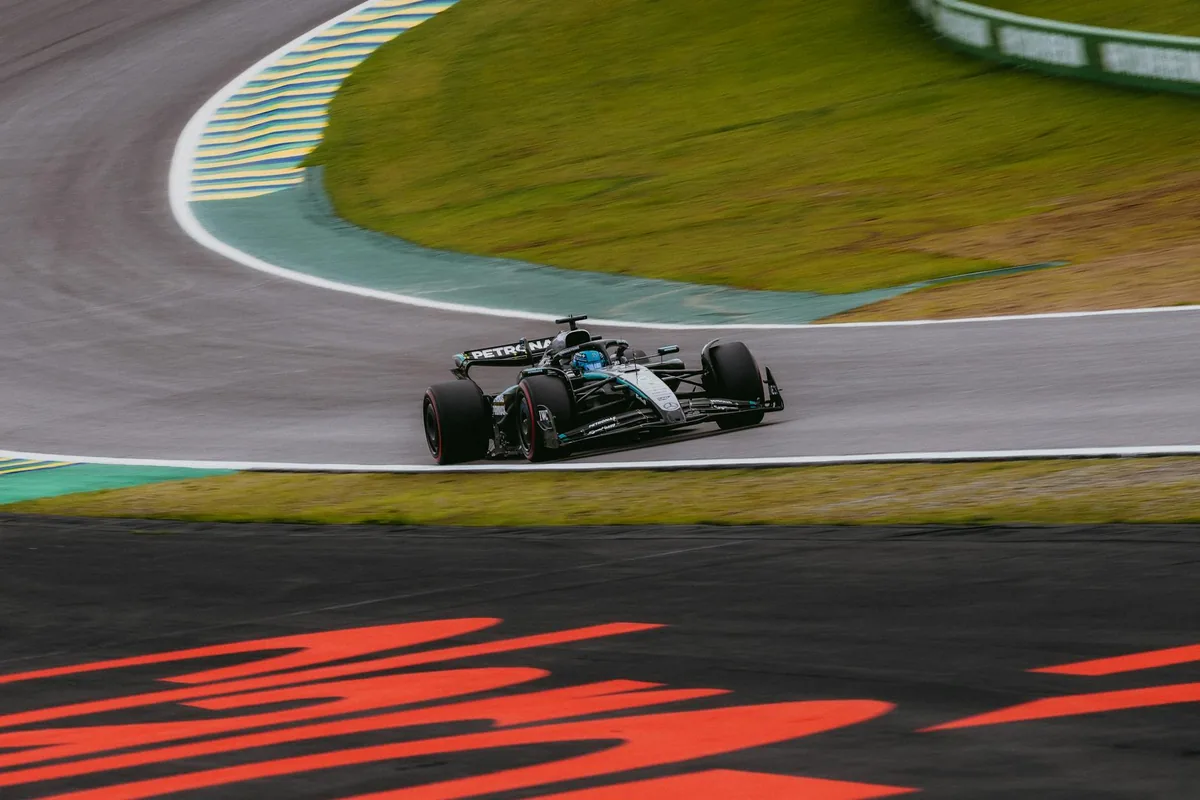
Rain Masters: Legendary Wet Weather Performances at Silverstone
The British weather is as much a part of the Silverstone Grand Prix as the roar of the engines. When the skies open over the Northamptonshire circuit, the race transforms. A dry contest of pure speed becomes a high-stakes ballet of car control, nerve, and strategic genius. These are the moments that separate the great from the legendary. This article celebrates the drivers who mastered the elements to deliver unforgettable wet-weather performances at the British Grand Prix.
The Ultimate Test: Why Silverstone in the Rain is So Demanding
Silverstone’s fast, flowing nature makes it a uniquely challenging circuit in wet conditions. Its high-speed corners, like Copse, Maggotts, and Becketts, demand immense commitment and precision. A slight misjudgment on a damp kerb or a puddle can lead to a dramatic spin. Furthermore, the circuit’s exposed location means wind can whip rain across the track, creating treacherous, changing conditions that vary from corner to corner. Understanding how weather affects racing at Silverstone is key to appreciating these masterclasses in control. The combination of speed, technical complexity, and capricious weather creates the perfect stage for heroes to emerge.
Icons of the Spray: Historic Wet Weather Wins
Silverstone’s history is dotted with races where rain defined the narrative, elevating certain drivers to iconic status.
Jackie Stewart, 1969: The Calculated Domination
In a era of far more dangerous machinery, Jackie Stewart’s victory in the 1969 race was a lesson in intelligent dominance. Driving a Matra-Ford, Stewart qualified on pole and controlled the entire race in wet and drying conditions. His smooth, calculated style was perfectly suited to the slippery track, and he lapped the entire field up to second place. This win was a testament to his philosophy of winning at the slowest possible speed—a crucial mindset in treacherous conditions.
Ayrton Senna, 1988: The Lap of the Gods
While not a race win, Ayrton Senna’s qualifying lap for the 1988 British Grand Prix is perhaps the most famous wet-weather performance in Formula 1 history. In his dominant McLaren-Honda, Senna was over two seconds faster than his teammate and rival Alain Prost in a session held on a sodden track. His car control appeared supernatural, dancing on the edge of adhesion. This lap wasn’t just about speed; it was a statement of otherworldly talent and commitment that left the paddock in awe and cemented his reputation as a rain master.
Michael Schumacher, 1998: The Strategic Masterstroke
In one of the most dramatic finishes in Silverstone history, Michael Schumacher turned a penalty into a victory through sheer brilliance. Serving a stop-go penalty while leading, he emerged nearly 40 seconds behind the leaders. What followed was a furious charge in mixed conditions, coupled with a strategic gamble to switch to dry tyres earlier than anyone else. Schumacher carved through the field at an impossible rate, taking the lead on the final lap to win by just over a second. This race showcased his relentless pace, strategic acumen, and ability to perform under extreme pressure.
Modern-Day Aqua Kings: 21st Century Rain Heroes
The evolution of car technology and race strategy has continued to produce stunning wet-weather displays at Silverstone.
Lewis Hamilton, 2008: Home Glory in a Monsoon
Lewis Hamilton’s first British Grand Prix victory was a tour de force in atrocious conditions. Driving for McLaren, he started fourth but seized the lead by the first corner. What followed was a demonstration of utter dominance. In pouring rain, he managed the intermediates perfectly and, as the rain intensified, switched to extreme wets to pull out a staggering lead. He eventually won by over a minute, lapping everyone up to third place. This victory, in front of his home fans, was a defining moment in his career and a clear announcement of his supreme skill in the wet. For more on Hamilton's local legacy, explore Lewis Hamilton's record-breaking performances at Silverstone.
Sebastian Vettel, 2009: Red Bull’s Breakthrough
Marking Red Bull Racing’s first wet-weather victory, Sebastian Vettel’s 2009 win was a tactical masterpiece. Starting from pole, he lost the lead at the start but reclaimed it through a perfectly executed strategy. As a light drizzle turned into heavy rain, the race became a battle of tyre and pit-stop timing. Vettel and his team made the perfect call to switch to intermediate tyres, allowing him to build an unassailable lead and secure a commanding victory that highlighted his and the team’s growing prowess.
Max Verstappen, 2022 & 2024: Command in Changing Conditions
The current era has seen Max Verstappen establish himself as a formidable force in the rain. His 2022 Sprint Race victory was a demonstration of control, managing a Safety Car restart to perfection to win. More recently, his drive to victory in the 2024 British Grand Prix was a clinical display. Starting fourth in mixed conditions, he made a decisive early switch to slick tyres as the track dried, a move that catapulted him into a lead he would never relinquish. His ability to read evolving conditions and extract maximum performance from the car continues this legacy of Silverstone rain masters.
What Makes a Rain Master?
Beyond raw talent, specific skills define these legendary performances:
- Feel and Feedback: An extraordinary sensitivity to the car’s behaviour, feeling the limit of grip through the steering wheel, seat, and pedals.
- Vision and Awareness: The ability to see changing track conditions, identify drier racing lines, and spot puddles or streams of water across the track.
- Strategic Courage: The conviction to make a bold tyre call, often against the consensus, trusting their own read of the situation.
- Mental Fortitude: Accepting a higher level of risk and maintaining intense concentration despite reduced visibility and constant peril.
These skills are honed through experience and a deep understanding of car dynamics. For a deeper look at the technical challenges, our Silverstone car setup guide explains how teams prepare for all conditions.
The Role of Team and Technology
A driver’s brilliance is supported by a team’s preparation. Modern simulations allow drivers to practice wet-weather lines, while advanced weather radar systems give teams real-time data on rain cells. The driver’s feedback over the radio is critical for strategists deciding when to change tyres. Furthermore, circuits like Silverstone have invested heavily in advanced safety features and drainage systems to make racing in the wet as safe as possible, allowing drivers to push the limits with more confidence than in decades past.
Conclusion
Rain at Silverstone doesn’t ruin the show; it creates a different, often more dramatic, kind of theatre. It strips away aerodynamic advantages and places the outcome squarely in the hands of the driver. The performances of Stewart, Senna, Schumacher, Hamilton, and Verstappen in the wet are not just race wins; they are defining chapters in their legacies. They remind us that at its heart, Formula 1 is a human endeavor, where supreme skill, courage, and intuition can conquer even the most formidable natural challenges. As long as the British summer remains unpredictable, Silverstone will continue to crown new rain masters. For more on how weather has shaped the event's history, read how weather has shaped British Grand Prix history.
External Resources: To understand the science of wet-weather racing in greater depth, the Fédération Internationale de l'Automobile (FIA) publishes technical regulations and safety studies. Additionally, analysis of historical weather data and its impact on motorsport can be found through authoritative sources like the Royal Meteorological Society.