

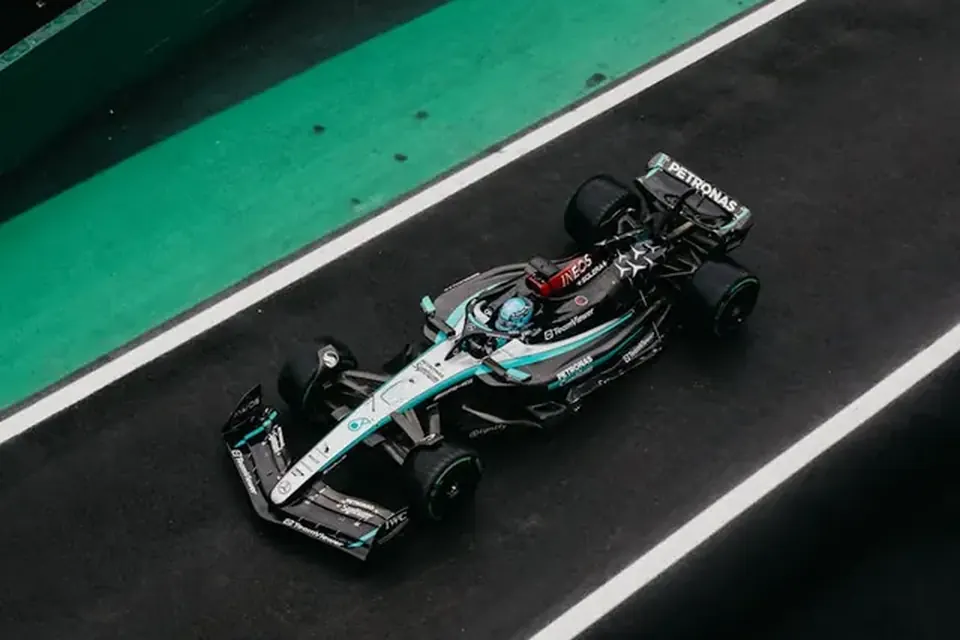
Post Silverstone Rookie Driver Challenges
For a rookie driver in Formula One, the British Grand Prix at Silverstone Circuit represents one of the most formidable and rewarding challenges on the calendar. It is not merely another race; it is a high-speed examination of technical skill, mental fortitude, and historical reverence. Success here requires more than just raw pace. It demands a meticulous, engineered approach to mastering one of the world’s most demanding tracks. This guide provides a structured, practical methodology for a rookie driver to systematically deconstruct Silverstone’s unique challenges, transforming intimidation into opportunity. By following this process, you will build the foundational knowledge and strategic framework necessary to compete effectively at this iconic venue.
Prerequisites / What You Need
Before embarking on the step-by-step process, ensure you have the following resources and data at your disposal. This preparation is non-negotiable for an efficient and effective learning curve.
Technical Data: Full access to your team’s simulation software, historical telemetry from previous British Grand Prix events (your own and, if possible, reference data), and detailed circuit maps with official corner names and braking markers. Engineering Support: A dedicated race engineer familiar with Silverstone and a performance engineer to analyse data. Open, continuous communication with them is critical. Physical & Mental Conditioning: Peak physical fitness to withstand high-G loads for prolonged periods and the mental resilience to process vast amounts of information under pressure. Historical Context: An understanding of Silverstone Circuit's evolution and its key moments. Knowing why corners like Copse or Becketts are spoken of with such respect informs your approach.
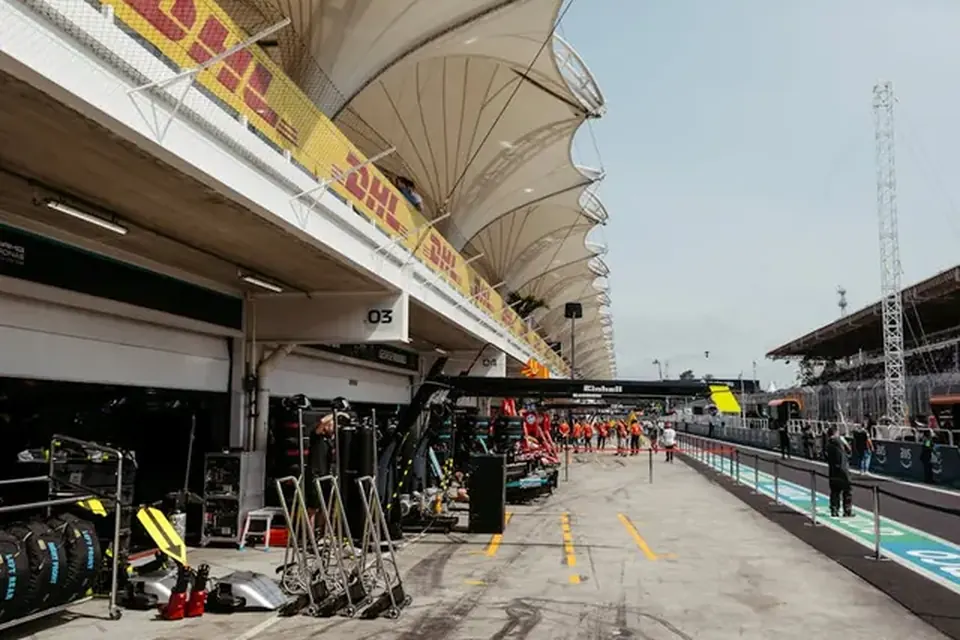
Step-by-Step Process
1. Conduct a Virtual Circuit Deconstruction
Begin away from the track. Using your simulator, run installation laps with a singular focus: understanding the rhythm and energy flow of the lap. Do not chase lap time. Instead, map the circuit in your mind as a series of interconnected energy zones. Identify where the car must shed kinetic energy (braking zones), where it must maintain it (high-speed sweeps), and where it must convert it into exit acceleration. Pay particular attention to how the exit of one corner dictates your entry to the next, especially through sequences like Maggotts and Becketts. This phase is about building a cognitive blueprint.2. Master the High-Speed Aerodynamic Platform
Silverstone is an aerodynamic circuit. Your primary engineering focus must be on achieving a stable, predictable platform through the relentless high-speed corners. Work with your engineers to find a setup that provides the confidence to commit at turn-in. The car must inspire trust through Copse (taken flat-out in a modern F1 car) and through the blindingly fast direction changes of Maggotts and the Becketts complex. A slight aerodynamic instability here will cost meters down the long Hangar Straight. This is where the deep collaboration with your Silverstone Circuit Engineering team is paramount, balancing downforce levels with straight-line speed.3. Execute the Becketts-Maggotts Sequence
This is the technical heart of the lap and the ultimate test of a driver’s precision and car control. The goal is not to take each corner in isolation, but to thread them together into one fluid motion. The line through Maggotts sets your speed and position for Becketts. Any error is compounded exponentially, compromising your run down to Stowe Corner. In simulator work and practice, use incremental building: master the entry to Maggotts, then link Maggotts to Becketts, then the entire sequence. Data comparison with benchmarks like Lewis Hamilton’s telemetry here can be revelatory.4. Optimise Braking and Entry for Overtaking Zones
Pure cornering speed is vital, but Silverstone offers key overtaking opportunities that require a different skill set. Focus your practice on the braking zones for Stowe (Turn 15) and Club Corner (Turn 18). These are heavy braking events, often with a bump, while turning in. You must practice late, trail-braking entries to open up the corner and get a superior exit onto the Wellington Straight (after Stowe) and the start/finish straight (after Club). Your ability to out-brake an opponent here hinges on repeatable, confident braking technique.5. Plan for Variable Conditions and Strategy
Northamptonshire weather is notoriously capricious. A bright sky can turn to rain within minutes. Your preparation must include wet-weather simulator runs. Understand how the grip level changes at different parts of the track; Abbey and Club often dry or wet at a different rate to the more exposed sections. Furthermore, work with your strategist to understand the tyre wear characteristics and how the FIA’s mandated tyre compounds will behave over a stint. Strategic flexibility, informed by your direct feedback, can turn a race.Pro Tips / Common Mistakes
Pro Tip: Respect the History. Driving at Silverstone is a privilege. Channelsing the spirit of masters like Jim Clark, who made it look effortless, or Nigel Mansell, whose 1987 chase defined tenacity, can provide intangible motivation. The BRDC embodies this legacy. Pro Tip: Use All the Track. The exit curbs at Copse, Stowe, and Club are your friends. They are designed to be used. Placing a wheel on the aggressive exit sausage kerb, however, will launch the car. Know the difference. Common Mistake: Overdriving on Entry. The most frequent rookie error is sacrificing exit speed for a marginally better entry. At Silverstone, a poor exit from Club or Abbey costs hundreds of meters on the straights. Prioritise a clean, powerful exit every time. Common Mistake: Neglecting Wind Direction. Silverstone’s open airfield layout makes wind a critical factor. A tailwind into Copse requires a different steering input than a headwind. Always note the wind direction on out-laps and communicate changes to your engineer. * Common Mistake: Data Overload. It is easy to become paralysed by the volume of telemetry. Focus on one or two key performance indicators per session (e.g., minimum speed through Becketts, or throttle application on exit of Abbey). Master them before moving on.
Checklist Summary
- Conduct initial virtual deconstruction to build a cognitive circuit map.
- Work with engineering to optimise the high-speed aerodynamic platform for stability.
- Drill the Becketts-Maggotts complex as a single, fluid sequence, not individual corners.
- Perfect heavy, trailing-brake entries at Stowe and Club for overtaking potential.
- Develop contingency plans for variable weather and understand strategic tyre demands.
- Continuously communicate wind conditions and car balance feedback to your engineering team.
- Study historical context and footage to appreciate the circuit’s character and challenges.
Reader Comments (0)