Capture the Action: Photography Tips for Silverstone
Photographing the British Grand Prix at Silverstone Circuit is a thrilling challenge for any photographer. The combination of high-speed action, dramatic corners, and a passionate crowd creates a unique canvas. Whether you're a seasoned motorsport shooter or a fan with a camera, these practical tips will help you capture stunning images that do justice to the spectacle.
Essential Gear for Circuit Photography
Your equipment choices can make or break your race day photography. While professional gear offers flexibility, you can achieve great results with more accessible equipment by understanding its limits.
Camera and Lenses
A DSLR or mirrorless camera with interchangeable lenses is ideal. The key is focal length. A telephoto zoom lens (e.g., 70-200mm or 100-400mm) is essential for pulling the action close from the grandstands. For wider shots of the circuit atmosphere or panoramic views from Becketts, a standard zoom (24-70mm) is invaluable. Don't forget a sturdy tripod or monopod to stabilize those long lenses, especially during practice sessions where you can use slower shutter speeds creatively.
Camera Settings to Master
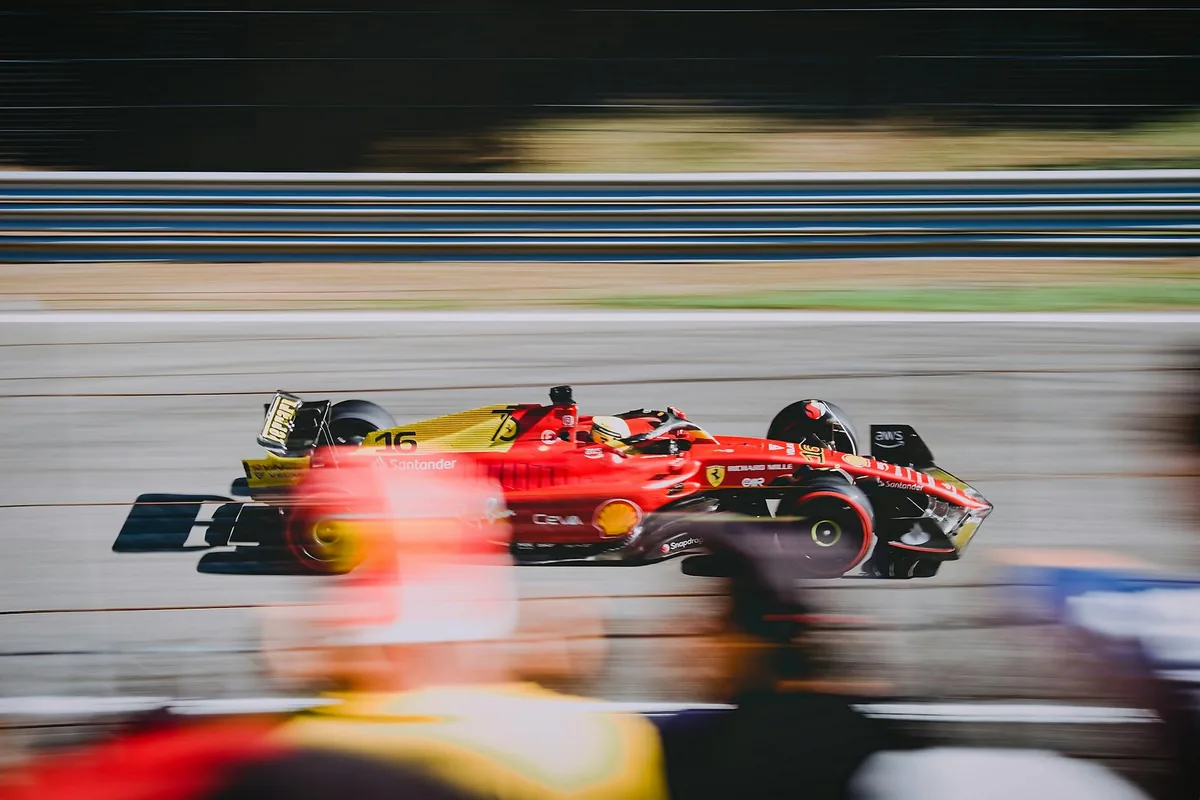
Shutter speed is your primary tool for freezing or conveying motion. To freeze a car, start with a shutter speed of 1/1000th of a second or faster. To introduce a dynamic sense of speed, try panning shots at speeds between 1/60th and 1/250th, following the car smoothly as it passes. Use Aperture Priority (Av/A) or Shutter Priority (Tv/S) modes for control, and set your ISO as low as possible to minimize noise, increasing it only as light fades. For a deep dive into the technical corners where these settings are tested, explore our Silverstone Track Layout: Corner-by-Corner Analysis.
Strategic Positioning: Where to Shoot
Your location is as critical as your camera settings. Silverstone offers diverse perspectives, from sweeping complexes to heavy braking zones.
Iconic Corners for Dynamic Shots
Becketts and Chapel (Turn 12) are legendary for a reason. The rapid succession of curves at Becketts allows for spectacular panning shots that show the immense lateral forces on the car. The exit of Chapel onto the Hangar Straight often produces dramatic moments as drivers fight for position. For overtaking shots, the Wellington Straight into Brooklands (Turn 6) is a prime hotspot. Understanding the flow of these sections is key; review the Silverstone Overtaking Opportunities: Best Places to Pass Analyzed to anticipate where the action will be.
Grandstand vs. General Admission
Grandstands like Copse, Becketts, or Stowe offer elevated, unobstructed views perfect for clean shots of specific corners. General Admission areas, however, provide creative freedom. Locations like the inside of Vale (Turn 16) or the mounds around Luffield (Turn 17) let you experiment with low angles and capture cars navigating slower, technical sections. Our Choosing Your Seat: Complete Silverstone Grandstand Selection Guide can help you visualize sightlines before you go.
Mastering the Art of Panning
Panning is the quintessential motorsport photography technique, creating a sharp subject against a motion-blurred background. It requires practice.
Start by pre-focusing on a specific point on the track where the car will pass. As the car approaches, track it smoothly through your viewfinder, following its movement horizontally. Press the shutter gently while continuing the follow-through motion. Your body should pivot from the hips. Don't be discouraged by a low keeper rate initially; even professionals discard many shots. Practice during support races or practice sessions when the track action is constant.
Capturing the Atmosphere and Details
A great race day portfolio tells the whole story, not just the cars on track. Dedicate time to capturing the essence of the event.
Wide shots of packed grandstands, the Union Jacks flying, and the general buzz in the fan zones add context. Detail shots are equally powerful: the intense focus in a mechanic's eyes in the pit lane (if accessible), the intricate patterns on a tyre's worn surface, or the vibrant colours of team merchandise. For unique behind-the-scenes perspectives, read about Behind the Scenes: Silverstone Pit Lane Tour Experience.
Overcoming Environmental Challenges
British weather is famously unpredictable, and Silverstone is no exception. This can be a hurdle or a creative opportunity.
Dealing with Weather
Overcast skies provide beautifully diffused light, eliminating harsh shadows. Rain adds drama, reflecting track lights and spraying rooster tails of water. Protect your gear with rain covers and lens hoods. Fast shutter speeds are crucial to freeze rain droplets. If the sun breaks through, the "golden hour" light just after sunrise or before sunset can produce breathtakingly warm, atmospheric shots. Always check the How Weather Affects Racing at Silverstone: A Complete Guide to prepare for conditions.
Coping with Crowds and Fences
Shooting through perimeter fencing is often unavoidable. To minimize its impact, use a telephoto lens with a wide aperture (e.g., f/2.8 or f/4). Get as close to the fence as possible, and position your lens so the openings align with your shot. Manually focus on the car, as autofocus may latch onto the fence. A shallow depth of field will help blur the fence into oblivion.
Post-Processing and Sharing
Shooting is only half the process. Basic post-processing can elevate your images. Use software like Adobe Lightroom or Capture One to adjust exposure, fine-tune colours, and crop for better composition. Aim for a natural look that enhances what you saw. When sharing online, consider creating a cohesive gallery. Tagging Silverstone Circuit and relevant teams on social media can increase your reach. For inspiration on composition and famous moments, studying the work of agencies like Getty Images' F1 archive is highly educational.
Respect the Rules and Enjoy the Experience
Always adhere to circuit photography guidelines. Generally, cameras for personal use are permitted, but professional rigs (like very large lenses or commercial tripods) may require media accreditation. Respect safety instructions and never compromise your safety or that of others for a shot. Most importantly, balance your time behind the lens with moments simply watching the race. The roar of the engines, the smell of fuel, and the collective gasp of the crowd are sensations no photograph can fully capture, but they fuel the passion that makes your images great.