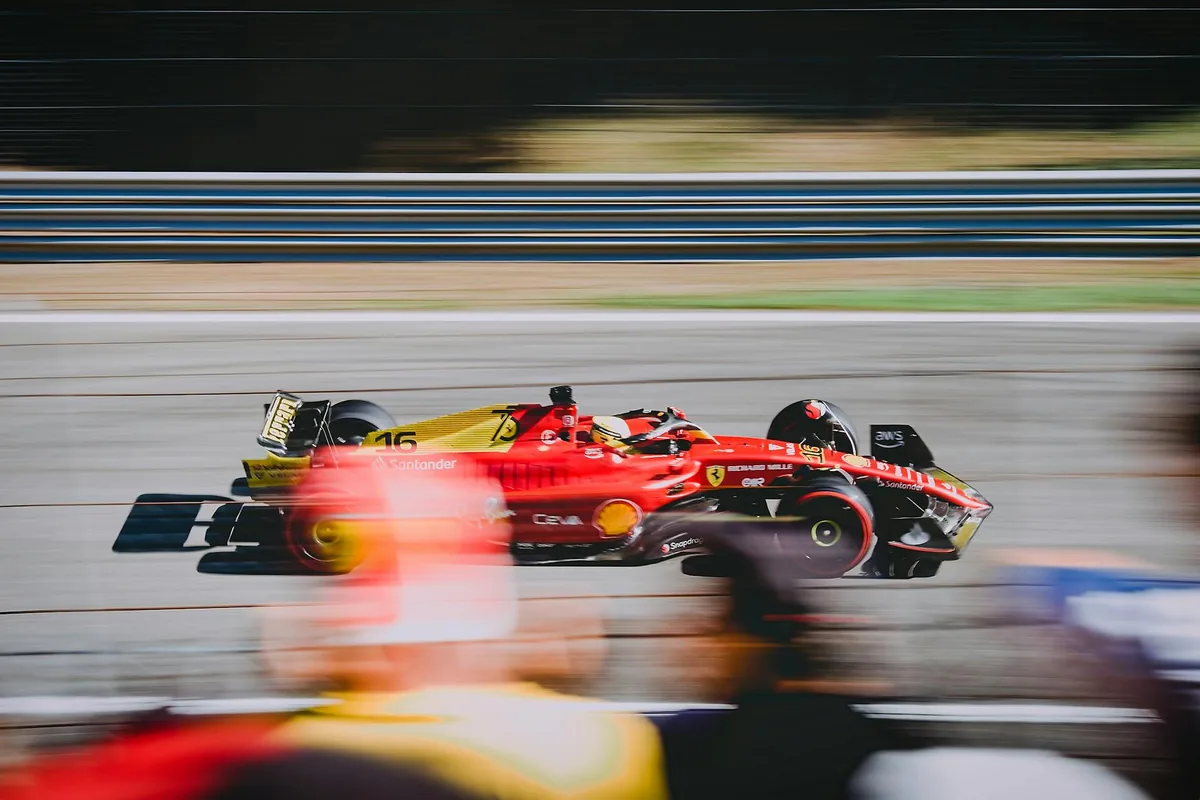
Flag Evolution: The History of Race Control Signals at Silverstone
At the heart of every motorsport event is a silent, universal language of colored flags. These signals, waved by marshals and displayed by race control, are the primary means of communicating vital information to drivers hurtling past at over 200 mph. The history of these flags at Silverstone, home of the British Grand Prix, is a story of technological advancement, safety evolution, and the enduring need for clear, instantaneous communication. From simple cloth banners to sophisticated electronic systems, the flags of Silverstone have guided champions and rookies alike through seven decades of Formula 1 history.
The Early Days: Cloth and Communication
When the first Formula One World Championship race was held at Silverstone in 1950, flag communication was rudimentary but essential. Marshals, stationed at key points around the former airfield circuit, used a basic set of colored flags made of cloth. The system was largely inherited from pre-war motorsport and was based on visual recognition. In an era without in-car radios or electronic dashboards, a driver's ability to spot and correctly interpret a flag was as crucial as their skill behind the wheel. The challenges were significant: poor weather, obstructed sightlines, and the sheer speed of the cars could make a fleeting flag signal easy to miss. This period relied heavily on the vigilance and bravery of corner marshals, who often stood perilously close to the track edge to ensure their signals were seen. The fundamental flags—checkered, red, yellow, and blue—formed the core vocabulary, but their application was less standardized than today.
Standardization and the FIA's Role
The increasing speeds and international nature of Formula 1 in the 1960s and 1970s necessitated a more unified flag system. The Fédération Internationale de l'Automobile (FIA) began to rigorously codify the meaning and usage of each flag signal. This standardization was critical for a circuit like Silverstone, which hosted drivers from all over the world. Each flag's meaning became inviolable law:
- Green Flag: Track clear, racing resumes.
- Yellow Flag: Danger, no overtaking, be prepared to slow.
- Red Flag: Session stopped immediately.
- Blue Flag: A faster car is behind and wishes to overtake.
- Black Flag: Directed at a specific car, requiring it to return to the pits.
This era saw Silverstone's race control, often located in the iconic Silverstone Circuit Architecture and Design Evolution, become a more centralized command center. The role of the clerk of the course and race director became paramount in deploying these signals consistently, especially during the dramatic, rain-affected British Grand Prix races for which the circuit is famous.
The Digital Revolution: Lights and Dashboards
The late 20th and early 21st centuries brought a technological leap that transformed flag communication. While marshals with physical flags remained (and remain) essential, Silverstone integrated electronic systems to ensure no driver could miss a critical signal. The introduction of trackside LED light panels, capable of displaying flag symbols, provided a redundant and highly visible system. More importantly, the FIA mandated the use of the Marshalling System, which projects flag signals directly onto the steering wheel display of every Formula 1 car.
This direct-to-cockpit system ensures instant reception of yellow flags, red flags, or blue flags, regardless of a driver's sightline. At high-speed sections like Copse or Maggots and Becketts, where a driver's focus is intensely narrow, this electronic signal can be lifesaving. This integration is a key part of the circuit's broader advanced safety features, working in tandem with barrier technology and medical response.
The Modern Flag Set: A Detailed Lexicon
Today's flag system at Silverstone is a comprehensive toolkit for race control. Beyond the basics, several specialized flags manage complex race scenarios:
- Yellow and Red Striped Flag (Surface Flag): Warns of reduced adhesion due to oil, water, or debris—a common sight at Silverstone as weather changes rapidly.
- Black Flag with Orange Circle: Indicates a mechanical problem posing a danger to others, requiring the car to pit immediately.
- White Flag: Signals a slow-moving vehicle, such as a service car or ambulance, is on track.
- Chequered Flag: The iconic symbol marking the end of a session or race, first waved at Silverstone in 1950.
The precise deployment of these flags is managed from Silverstone's state-of-the-art Race Control room, a hub of technology and coordination that oversees every aspect of the event.
Flag Controversies and Memorable Silverstone Moments
Flags have been at the center of some of Silverstone's most dramatic and controversial moments. Decisions made in Race Control have directly influenced race outcomes and championship battles. The deployment of the Safety Car (signaled by waved yellow flags and SC boards) has often reshuffled fields, while contentious blue flag decisions have sparked debates about lapped traffic affecting leaders' battles. Perhaps the most significant flag is the red, used to halt sessions for major incidents or extreme weather. Silverstone's notorious weather has triggered several such stoppages, with race directors balancing safety against the spectacle. These high-pressure decisions underscore the immense responsibility borne by those controlling the flags, a topic explored in our look at controversial Race Director decisions at Silverstone.
The Future: Automation and Enhanced Systems
The evolution of flag signals continues. The FIA is constantly refining systems for greater accuracy and speed. Future developments may include more automated flag triggering, using trackside sensors to instantly detect incidents and deploy yellow warnings without human delay. Furthermore, the integration of FIA-standardized biometric data could allow systems to alert race control to a driver in distress more quickly. However, the human element will remain irreplaceable. The marshal on the post, flag in hand, represents the sport's human spirit and immediate judgment. For an in-depth understanding of the circuit these systems protect, explore our Silverstone Track Layout: Corner-by-Corner Analysis.
A Constant in a Changing Sport
From the cloth banners of 1950 to the digital pulses received on a modern steering wheel, the history of flag signals at Silverstone mirrors the evolution of Formula 1 itself: a relentless pursuit of greater safety, fairness, and clarity amidst ever-higher speeds. While the technology of the cars and the circuit's infrastructure have been transformed, the fundamental purpose of the flags remains unchanged—to protect, to inform, and to regulate the greatest drivers in the world. They are a silent, colorful thread connecting every era of the British Grand Prix, a vital language spoken fluently by all who compete on this historic track. For official rules and the latest standards, the FIA's International Sporting Code provides the definitive global framework that Silverstone implements.