Into the Modern Era: British Grand Prix Evolution in the 21st Century
The dawn of the 21st century marked a pivotal new chapter for the British Grand Prix at Silverstone. As Formula 1 accelerated into a new millennium of technological innovation, commercial expansion, and heightened safety standards, the historic circuit embarked on a parallel journey of transformation. The evolution from 2000 to the present day is a story of survival, reinvention, and a relentless drive to secure its place as a world-class venue, balancing hallowed heritage with cutting-edge modernity.
A Battle for Survival and a New Beginning
The early 2000s were defined by uncertainty. With the British Racing Drivers' Club (BRDC) facing significant financial pressures and rival bids from potential alternative venues, the very future of the race at its spiritual home was in jeopardy. This period culminated in a crucial 10-year deal signed in 2009, securing the Grand Prix's immediate future but highlighting the need for substantial, sustained investment. The circuit responded not with minor tweaks, but with a masterplan for comprehensive redevelopment, ensuring it could compete with the likes of Bahrain, Singapore, and Abu Dhabi. This era saw the transformation from a somewhat rustic airfield circuit into a sophisticated, multi-faceted sporting and entertainment complex, a journey detailed in our article on Silverstone Circuit: A History of Construction and Major Renovations.
The Architectural and Infrastructure Revolution
The most visible sign of Silverstone's 21st-century evolution is its physical transformation. The "Wing" pit and paddock complex, opened in 2011, was a landmark project. Replacing the old pits, it provided state-of-the-art facilities for teams and media, symbolizing a break from the past while offering unparalleled operational functionality. This was followed by major grandstand developments, enhanced fan villages, and improved access roads. The architectural philosophy shifted towards creating a seamless, immersive experience for every stakeholder, from the driver in the garage to the fan in the grandstand. For a deeper look at this transformation, explore Silverstone Circuit Architecture and Design Evolution.
Fan Experience: From Spectators to Guests
Beyond the track, the focus expanded dramatically to encompass the entire fan journey. Silverstone pioneered enhanced viewing areas, interactive fan zones, big-screen coverage, and a diverse range of culinary experiences. The introduction of more sophisticated hospitality options, such as the Paddock Club, transformed a race visit from a day out into a premium event. This holistic approach recognized that modern audiences demand entertainment, comfort, and engagement from the moment they arrive until after the checkered flag falls.
The Hybrid Era and On-Track Evolution
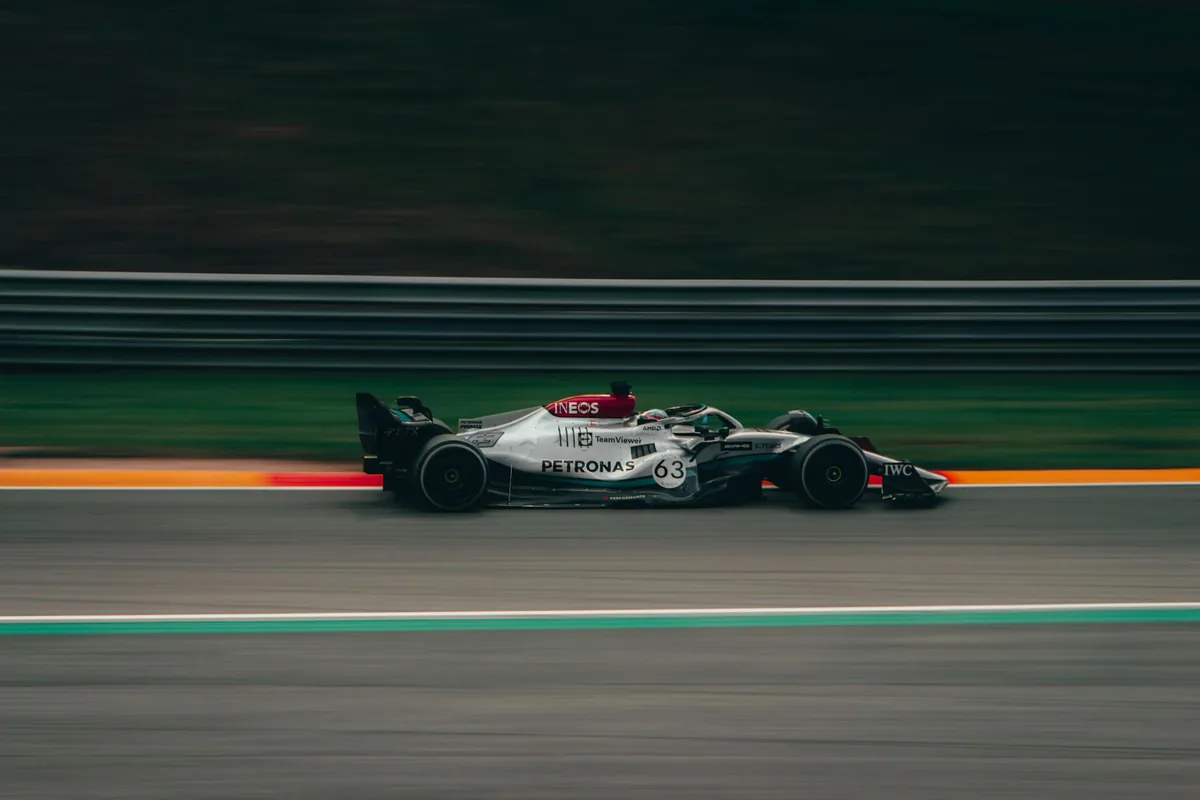
The 2014 introduction of F1's turbo-hybrid power units coincided with a period of British dominance, particularly from Mercedes and Lewis Hamilton. Silverstone became a stage for technical mastery, where the complex interplay of energy recovery, aerodynamics, and tyre management was pushed to the limit. The circuit's fast, flowing nature made it a perfect barometer for car performance, emphasizing high-speed cornering stability and power unit efficiency. This period also saw the refinement of the track layout itself, with modifications like the reprofiled Abbey and Farm complex in 2010 creating new overtaking opportunities and altering corner-by-corner strategy. The relentless pursuit of speed is chronicled in the Silverstone Lap Record Evolution.
Safety and Sustainability: The New Imperatives
Two defining themes of 21st-century motorsport have been deeply integrated into Silverstone's fabric: safety and sustainability. Following the lessons of past incidents, the circuit has undergone continuous safety upgrades. These include the installation of advanced barrier systems like TecPro, extensive runoff area modernization, and the integration of cutting-edge medical and extraction procedures. For a comprehensive overview, see Silverstone Circuit Safety Features: Protecting Drivers and Fans.
Concurrently, environmental responsibility moved from a peripheral concern to a core operational principle. Silverstone has launched ambitious sustainability initiatives, focusing on renewable energy, waste reduction, biodiversity projects, and promoting greener travel options for fans. This "green racing" ethos is now a critical part of the circuit's identity and its commitment to a viable long-term future, aligning with the global direction of the sport as outlined by the FIA's environmental goals.
The Digital and Broadcast Transformation
The way the world consumes the British Grand Prix has been utterly revolutionized. The shift from standard definition to HD and now 4K broadcasting, coupled with advanced data graphics, on-board cameras, and digital streaming, has brought fans closer to the action than ever before. Silverstone's own media facilities have evolved to support this, with the Media Centre becoming a high-tech hub for global broadcasters. Furthermore, the circuit leverages social media and digital platforms to engage with a global audience year-round, creating content and community far beyond the race weekend itself.
Iconic Moments and Home Heroes
The 21st century has already provided a rich tapestry of unforgettable Silverstone moments. From the intense McLaren battles of the early 2000s to Mark Webber's iconic "Not bad for a number two driver" victory in 2010, the drama has been relentless. The era has been particularly defined by the success of British drivers, most notably Lewis Hamilton, whose record-breaking eight victories have electrified the home crowd and cemented his legacy at the circuit. His performances, analyzed in Lewis Hamilton at Silverstone: Record-Breaking Performances Analyzed, exemplify the potent combination of driver skill and team strategy at this level. These historic battles are part of a larger narrative found in Most Memorable British Grand Prix Races.
Looking Ahead: The Future of the British Grand Prix
As Silverstone looks to the future, its evolution continues. Ongoing investments in facilities, fan experience, and technology are constant. The circuit actively explores innovations such as advanced simulation, potential for extended event formats, and further integration of sustainable practices. The challenge remains to preserve the raw, thrilling essence of the racing—the very characteristic that made Silverstone famous—while providing the infrastructure and spectacle expected of a modern global sporting pinnacle. With a long-term contract now in place, the focus is on cementing its status not just as a historic venue, but as a forward-thinking leader in the world of motorsport.
The British Grand Prix in the 21st century is a testament to adaptation. It has successfully navigated commercial threats, embraced technological revolutions, and elevated the spectator experience, all while remaining the ultimate test of driver and machine. As Formula 1 itself evolves, so too will Silverstone, ensuring that the roar of engines at this hallowed ground continues to echo for generations to come. For the latest on upcoming developments, visit the official Silverstone Circuit website and the Formula 1 official portal.